A Cost Effective Alternative to Pumping Systems

Think a pumping system is the cheaper option? Once you factor in the extra pipework and installation costs, a slurry tanker can actually work out better value. It also gives you the flexibility to spread effluent across the whole farm. Find out how the numbers stack up.

It is often thought that slurry tankers are more expensive than pumps, but this is not normally so.

With any pumping system there is also a reticulation system required. Slurry tankers enable you to apply effluent to the whole farm, so to make a full compression you would need to allow for at least 2,000 metres of pipe.
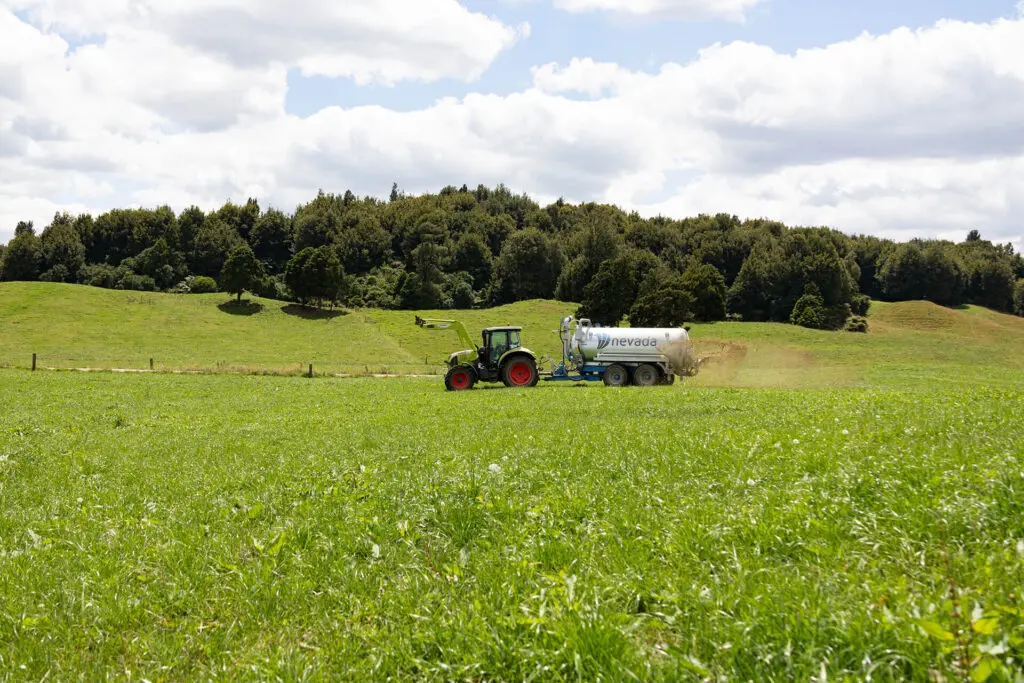
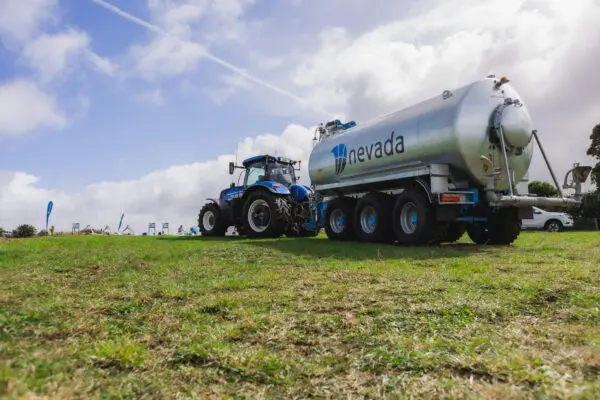
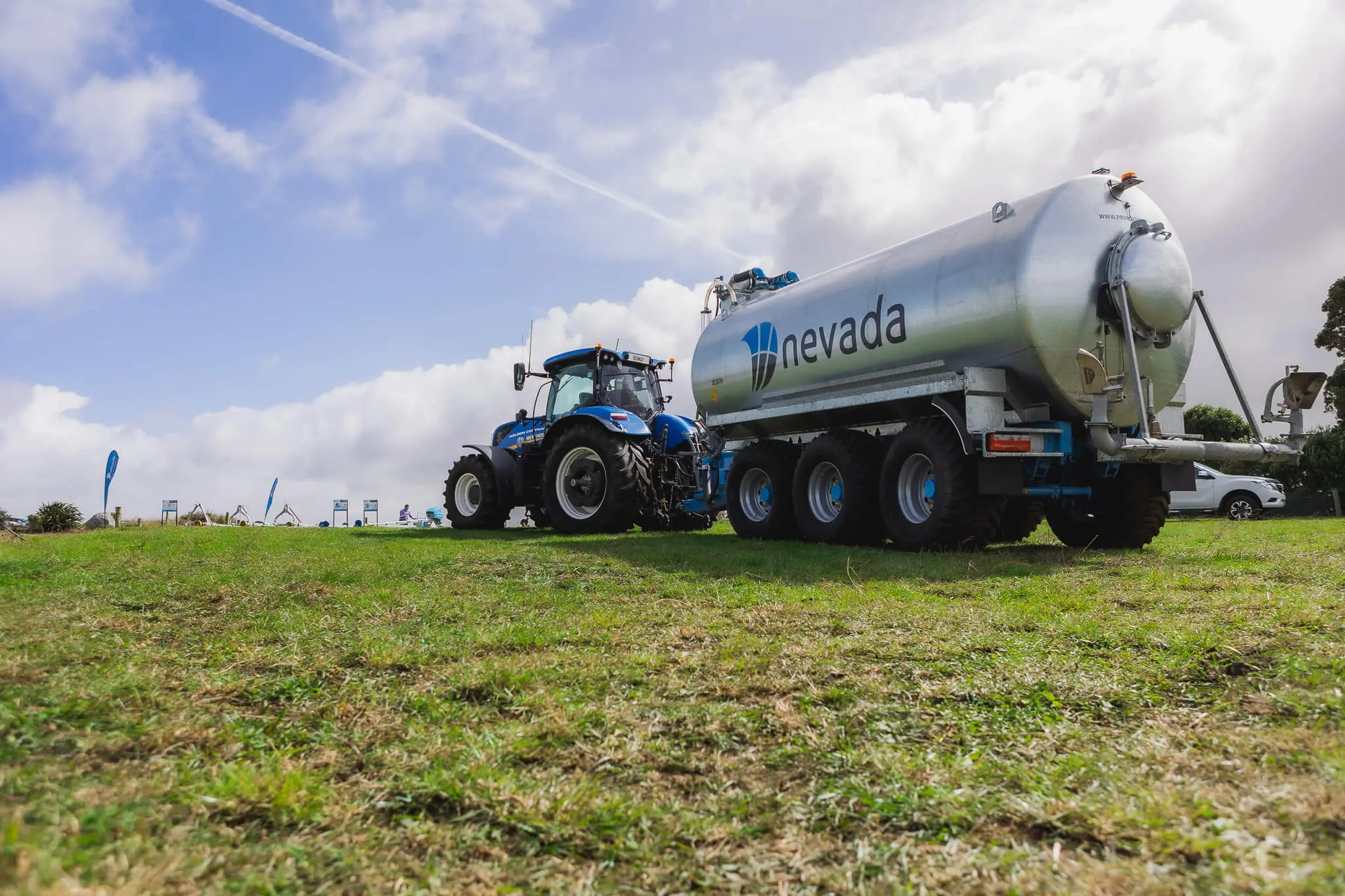
Nevada Tandem Slurry Tanker spreading dairy effluent
A Cost Effective Alternative to Pumping Systems 2

The other hidden cost of pumping systems is the installation – especially electric connects.

Typically, a comparable effluent irrigation system for a 300+ cow farm is $80,000 to $120,000. This is considerably more than the cost of a slurry tanker. Give one of our consultants a call for a FREE assessment for your farm.


More Blogs

Getting the most out of your effluent system starts long before spreading. Correct stirrer placement plays a major role in how well solids are broken down, nutrients are suspended, and the slurry remains consistent. If a stirrer is poorly positioned, even the best equipment can struggle to deliver reliable results.
A slurry tanker is a long-term investment, so getting the fundamentals right matters. This guide outlines three non-negotiables to look for, including corrosion-resistant galvanised steel, a full chassis for larger tankers, and an applicator that delivers a consistent, even spread to support compliance and long-term performance.
Choosing the right effluent storage option can make a big difference to your farm’s setup and council compliance. In this blog, we break down the different types of storage, pond liners, and what will work most effectively depending on your land, water table, and farm layout.

Subscribe to our Newsletter