Can I Spread Effluent over Calving Paddocks?

We’re often asked if it’s safe to spread effluent over calving paddocks, and yes, you definitely can, but not too much…
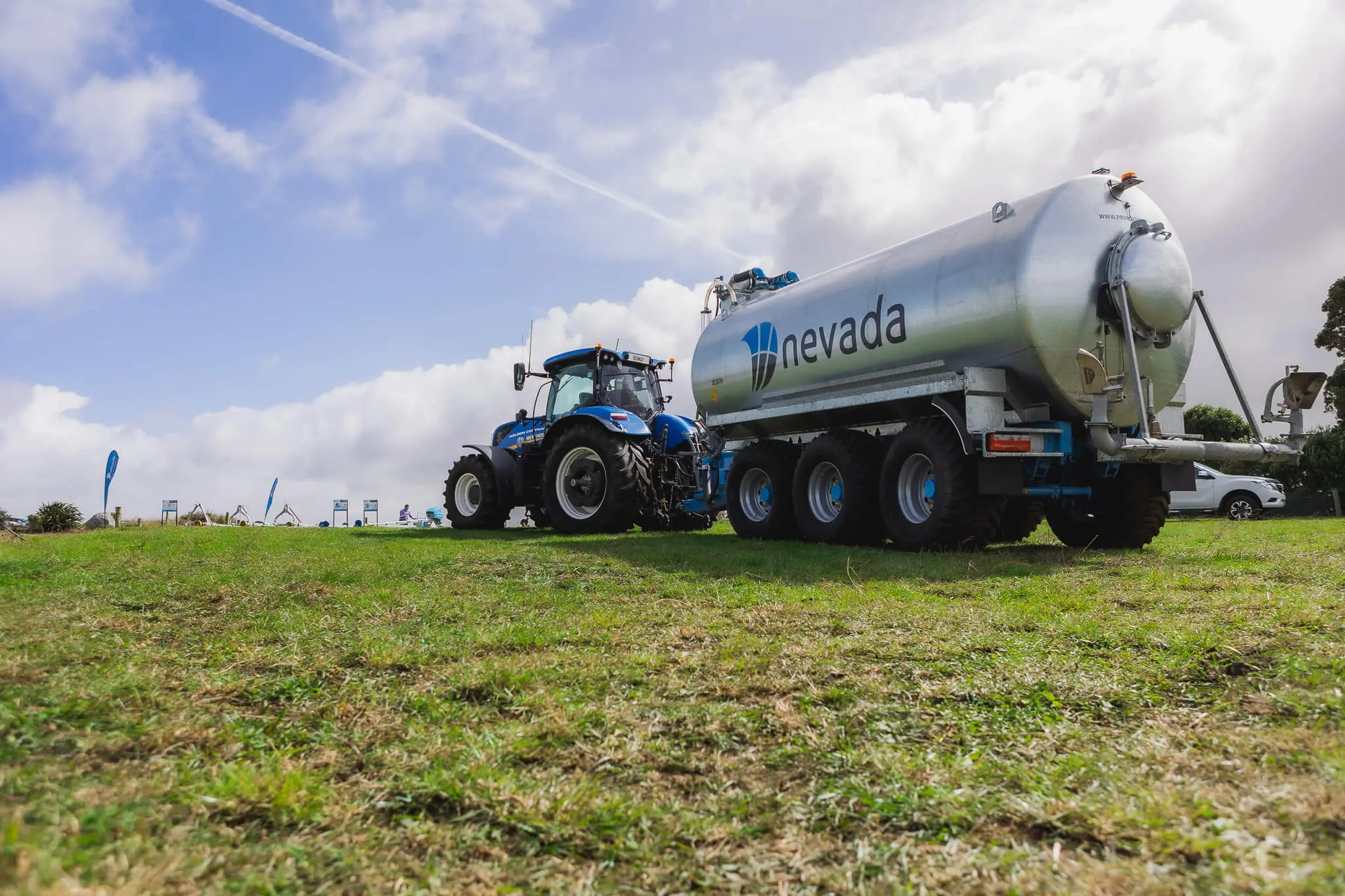
We’re often asked if it’s safe to spread effluent over calving paddocks, and yes, you definitely can, but not too much. As with any paddock, adding too much brings the risk of nitrate poisoning, and paddocks with pregnant stock should keep a close watch on the nutrient levels entering the soil.

How much nitrogen is too much?

Hill Laboratories suggest a nitrate-N level 0.10 – 0.15% or 1000 – 1500 mg/kg (or ppm), or 0.44 – 0.66% nitrate is safe to feed non-pregnant animals. So to ensure you’re not adding too much nitrate to the soil, it’s important to test the levels in your slurry. While there are laboratories that can do this, having your own testing kit can be a very cost effective option which enables you to test yourself on a weekly basis and adjust your spreading accordingly. A test usually only takes around 5 minutes to conduct.


Spread Effluent over Calving Paddocks
Can I Spread Effluent over Calving Paddocks? 4
Organic v Synthetic Fertiliser
Can I Spread Effluent over Calving Paddocks? 5

What happens if I spread too much?

Spreading too much can result in excessive levels of nitrate in the soil, which is then absorbed by the plants and passed on to grazing cattle. When too much nitrate is absorbed by the plant, it can’t convert the nitrate into protein fast enough. Once consumed by cattle, it converts in the rumen, and then binds to haemoglobin in the blood, stopping the haemoglobin from carrying oxygen. This is where death can occur rapidly from suffocation.

Pregnant or lactating cows have a higher risk of nitrate poisoning as they tend to consume higher amounts of feed within a short time.

How do I reduce risk while spreading?

  • Test your nutrient levels before spreading
  • If your slurry has a high level of nutrients be sure to spread over a larger area or speed up your irrigator or slurry tanker for a lighter application.
  • Don’t over saturate your cow paddocks – in a calving paddock keep the nutrient level below a nitrate-N level of 0.15% or 1500 mg/kg (or ppm), or 0.66% nitrate.

Where calving paddocks are where the irrigation system is you may need to reduce the amount being spread throughout the calving season. In this situation it is important to have adequate storage and/or an alternative way to spread out to other paddocks such as a slurry tanker or drag hose system.

Spread Effluent over Calving Paddocks
Can I Spread Effluent over Calving Paddocks? 6

If your unsure of when to spread effluent over calving paddocks, give our friendly team of experts a call.

More Blogs

Getting the most out of your effluent system starts long before spreading. Correct stirrer placement plays a major role in how well solids are broken down, nutrients are suspended, and the slurry remains consistent. If a stirrer is poorly positioned, even the best equipment can struggle to deliver reliable results.
A slurry tanker is a long-term investment, so getting the fundamentals right matters. This guide outlines three non-negotiables to look for, including corrosion-resistant galvanised steel, a full chassis for larger tankers, and an applicator that delivers a consistent, even spread to support compliance and long-term performance.
Choosing the right effluent storage option can make a big difference to your farm’s setup and council compliance. In this blog, we break down the different types of storage, pond liners, and what will work most effectively depending on your land, water table, and farm layout.

Subscribe to our Newsletter