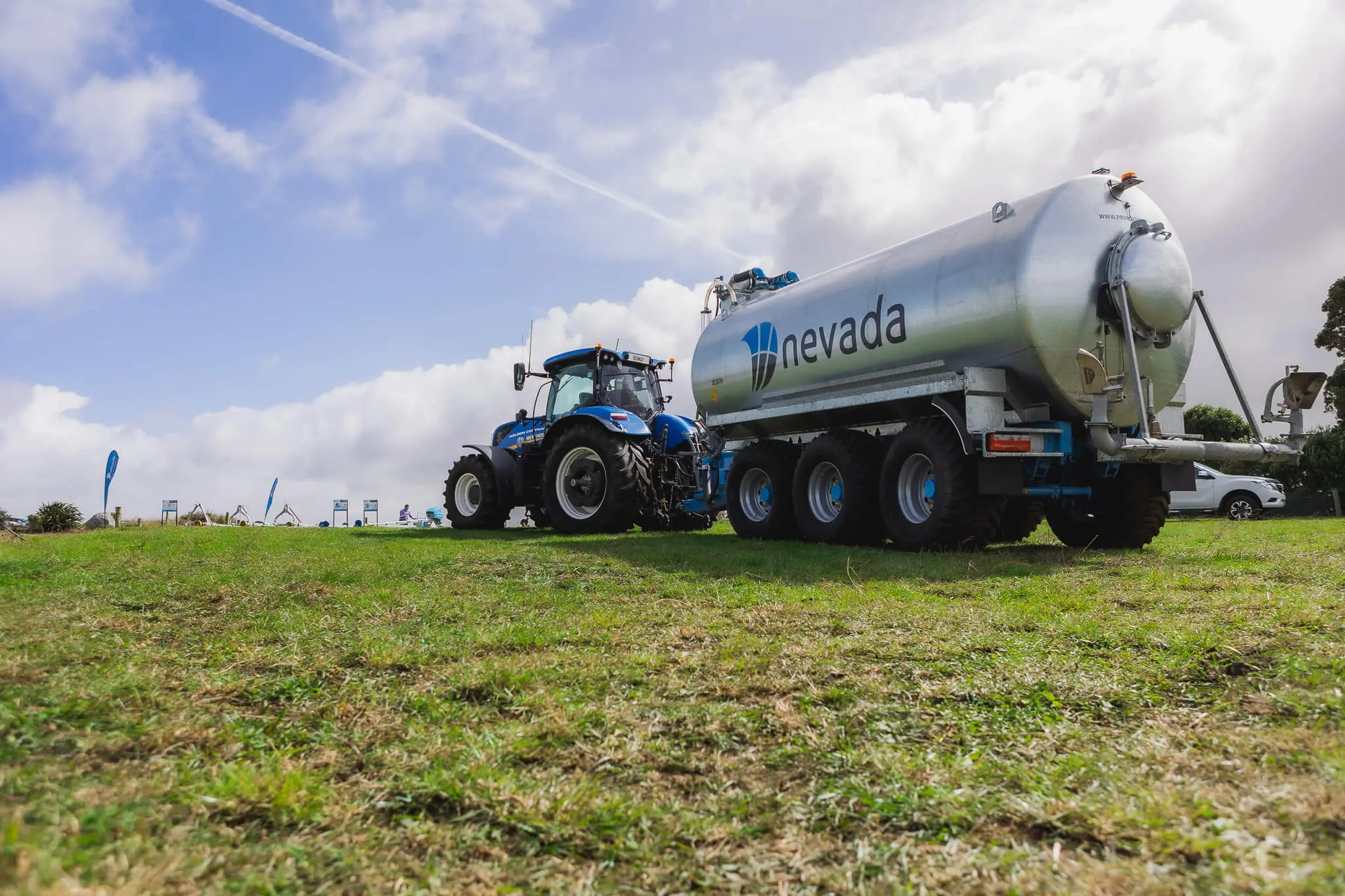
Do Slurry Tankers Take a Lot of Time?

In considering buying a slurry tanker a common concern is around how much time and effort it will take to get the job done.
Slurry tankers can be very time efficient for the right application.
We often get farmers comparing slurry tanker spreading to the automation of an irrigator system, but it’s important to compare apples with apples. An underground system involves little to no labour, however there are limitations over how far you can spread. Yes, a slurry tanker will involve someone driving the tractor to pull it around, however the slurry tanker can do far more than an irrigation system.

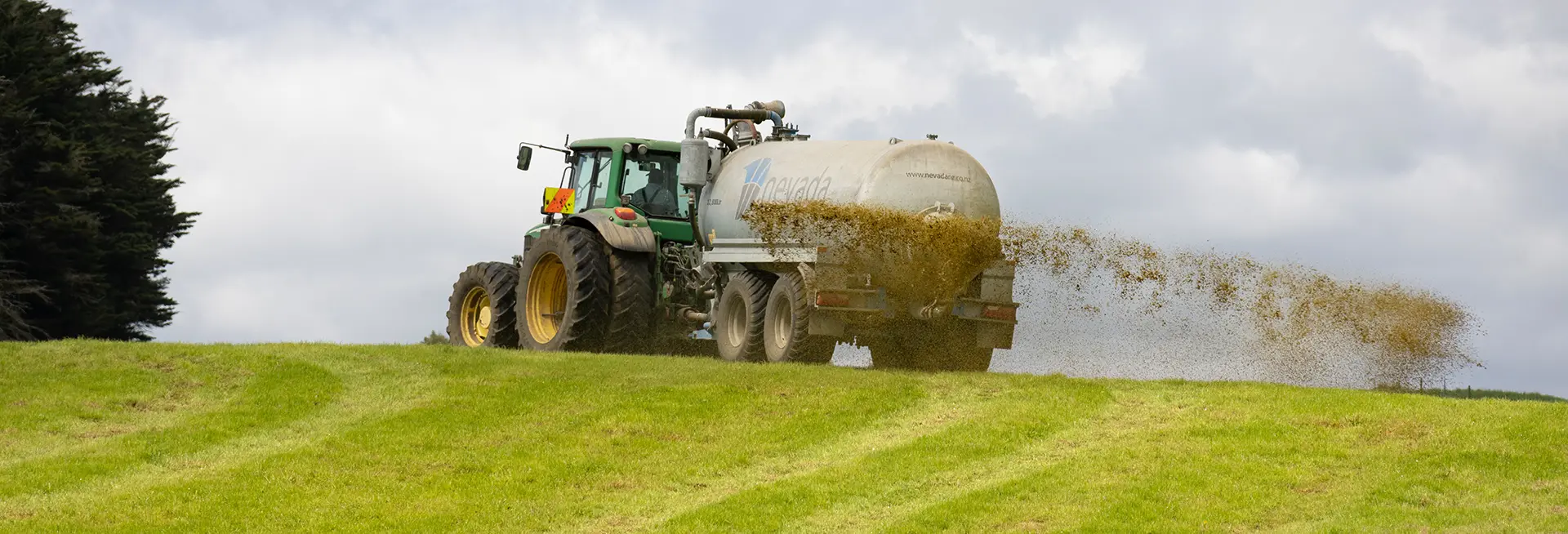
Slurry tankers can be taken just about anywhere on the farm, and with a RainWaveTM applicator the spread per hour is much faster than the typical travelling irrigator. Not only is it faster, but the spread is more accurate and controlled with less wind drift. This allows spreading into corners, irregular shaped paddocks, and closer to waterways, roads or neighbouring properties.

Flexibility with a Slurry Tanker

Having a slurry tanker means you can spread when and where you want. It allows the flexibility of spreading small amounts when time allows or doing large amounts all at once.

Our advice is to get the biggest slurry tanker your tractor can safely pull in order to make the most of your time. The bigger the tanker, the less loads you need to make – and you don’t always have to fill it.

Nevada slurry tankers are very easy to pull and operate, and new owners are often surprised at just how fast they are. Auto-filling arms increase the speed to load the tank, and larger models can be fitted with a loading accelerator for even faster filling. All Nevada slurry tankers come fitted with RainWaveTM applicators as a standard feature, and triple axle models are fitted with two!
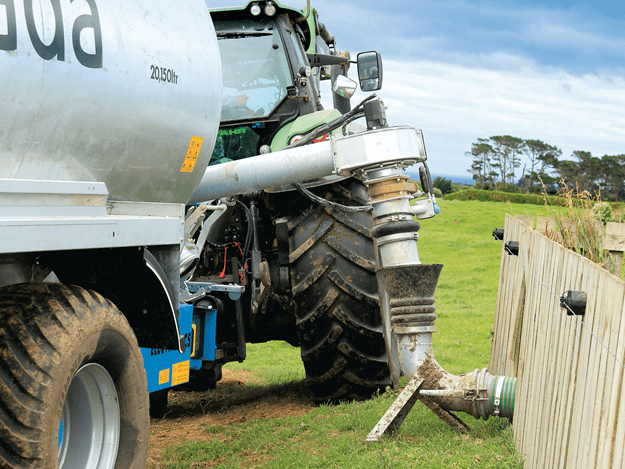
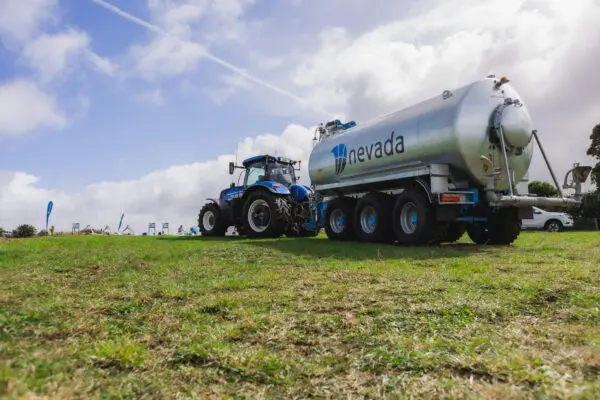
Nevada Farm Trader 20000L Tridem Slurry Tanker at the filling station
Do Slurry Tankers Take a Lot of Time? 2

So while a slurry tanker does require labour to operate, the time used is very efficient and productive in achieving a good spread of nutrients just about anywhere on the farm. 
More Blogs

Choosing the right effluent storage option can make a big difference to your farm’s setup and council compliance. In this blog, we break down the different types of storage, pond liners, and what will work most effectively depending on your land, water table, and farm layout.
Choosing between a single-axle slurry tank, a tandem axle setup, or a triple axle setup depends on your farm’s terrain and workload. This guide explains how different axle configurations impact stability, safety, and performance, helping you choose the right slurry tanker for your specific needs.
Comparing a progressive cavity pump vs centrifugal system helps farmers choose the most efficient setup for effluent management. This guide explains the key differences between these pumps, outlining performance, maintenance, and safety advantages for modern dairy operations.

Subscribe to our Newsletter