How much effluent storage do you need?

Effluent is full of valuable nutrients, but timing is everything. When it’s too wet to spread or too dry for grass to grow, having the right storage means you’re ready either way. Here’s what to think about when working out how much you really need.
We often get asked how much storage you need for dairy effluent
While cows generally tend to produce effluent all year round, the pasture in the ground isn’t always in a position to soak up all the nutrients. This could be due to a number of things, but weather conditions play a big part. If its too wet the plants are already saturated, so won’t be able to drink the nutrients which can lead to ponding and run-off. This is when your best option is to store it.

On the other side, Dairy farming is very susceptible to dry weather, and droughts. It’s at these times the pasture can really do with a good dose of nutrients. Effluent, really well mixed with water, is a great tool to maximising pasture growth, and it’s pretty cost effective since you’re producing it all year round!
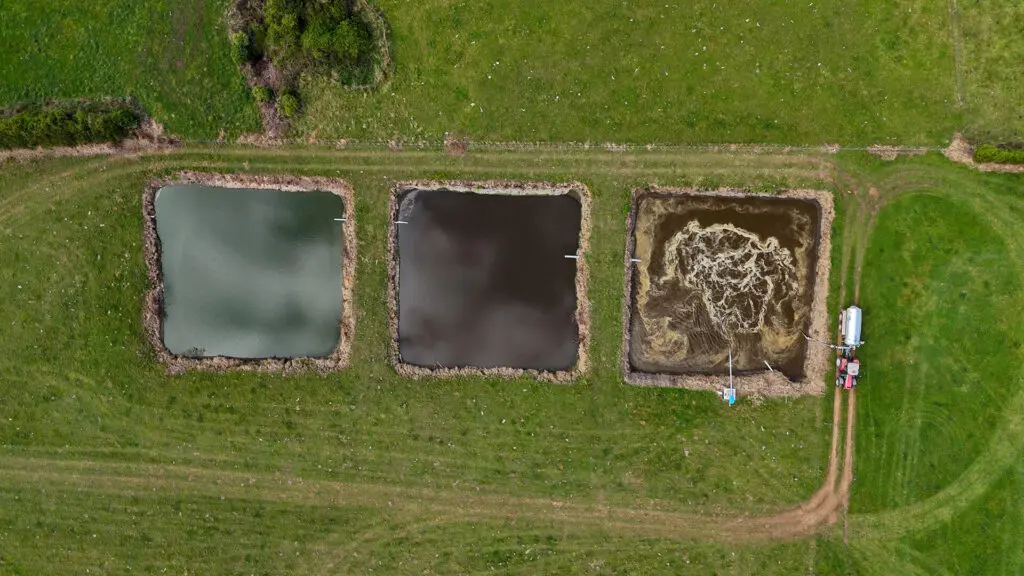
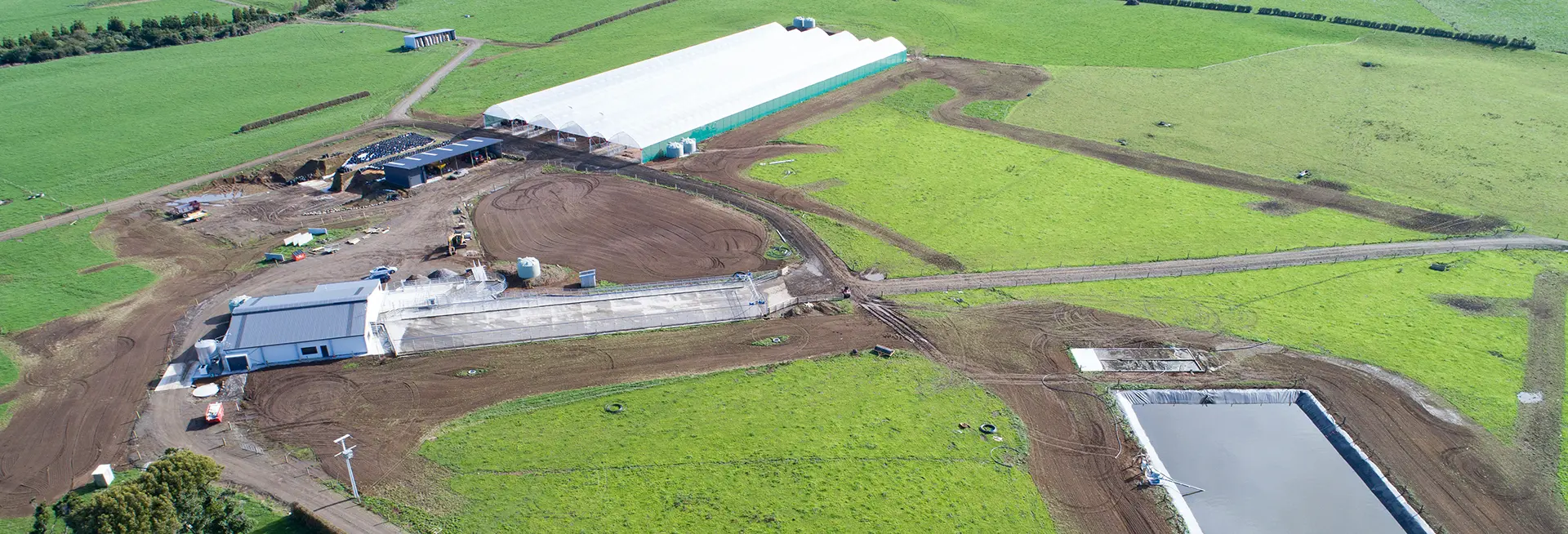
Dairy Farm effluent storage ponds
How much effluent storage do you need? 2

Calculating effluent storage needs

Some of the key things you’ll need to consider when working out how much storage are:

  • Soil type (high/low risk)
  • Rainfall
  • Concrete and other hard surface areas that catch rainfall
  • Size of area that can have effluent spread onto it
  • When and how much effluent can realistically be spread to pasture

To get a basic idea of how much effluent storage you’ll need for the size of your farm, click here to go to the storage calculator on the Dairy NZ website. Or if you’d like a more advanced report, Nevada has more sophisticated software on hand to produce a report for storage requirements that are specific to your region.

Dairy effluent management

Dairy effluent management shouldn’t be an excessively costly investment. The “nutrient” is sustainable, and Nevada can help you make the “management” sustainable too!

Store plenty of effluent, catch some rain water as well – no harm done.

Mix it all together really well, and spread it out to pasture at the right time as one product.

If you’d like a free farm assessment on your effluent storage requirements, then give us a call on 0800 464 393!
More Blogs

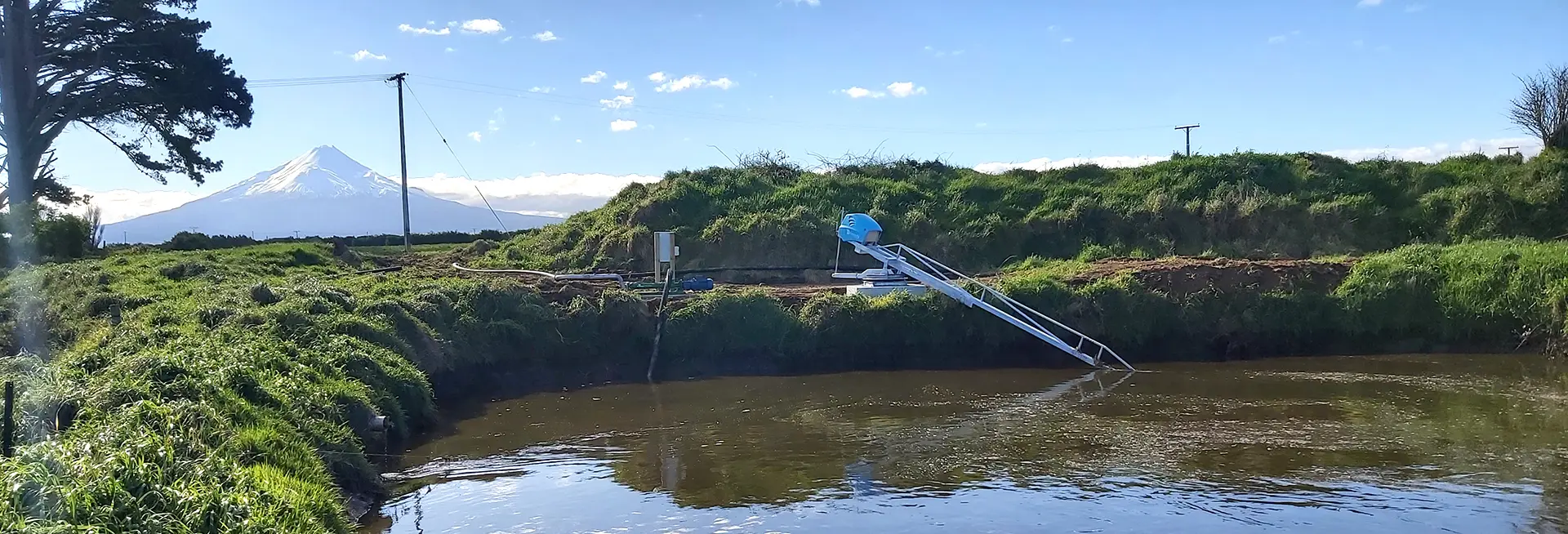
Getting the most out of your effluent system starts long before spreading. Correct stirrer placement plays a major role in how well solids are broken down, nutrients are suspended, and the slurry remains consistent. If a stirrer is poorly positioned, even the best equipment can struggle to deliver reliable results.
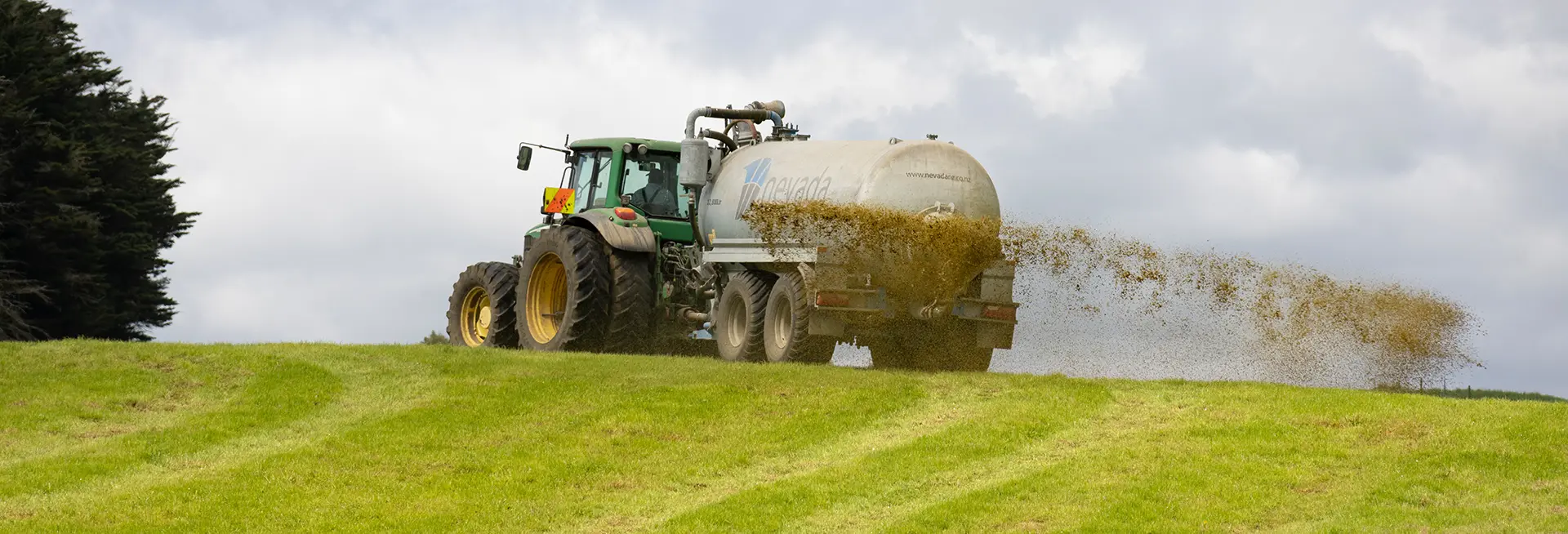
A slurry tanker is a long-term investment, so getting the fundamentals right matters. This guide outlines three non-negotiables to look for, including corrosion-resistant galvanised steel, a full chassis for larger tankers, and an applicator that delivers a consistent, even spread to support compliance and long-term performance.
Choosing the right effluent storage option can make a big difference to your farm’s setup and council compliance. In this blog, we break down the different types of storage, pond liners, and what will work most effectively depending on your land, water table, and farm layout.

Subscribe to our Newsletter