Council compliance is one of the key factors when deciding on effluent spreading equipment – after all, we all want to be doing it right!
Each council in New Zealand may have slightly different rules, but generally the main issues for council compliance are:
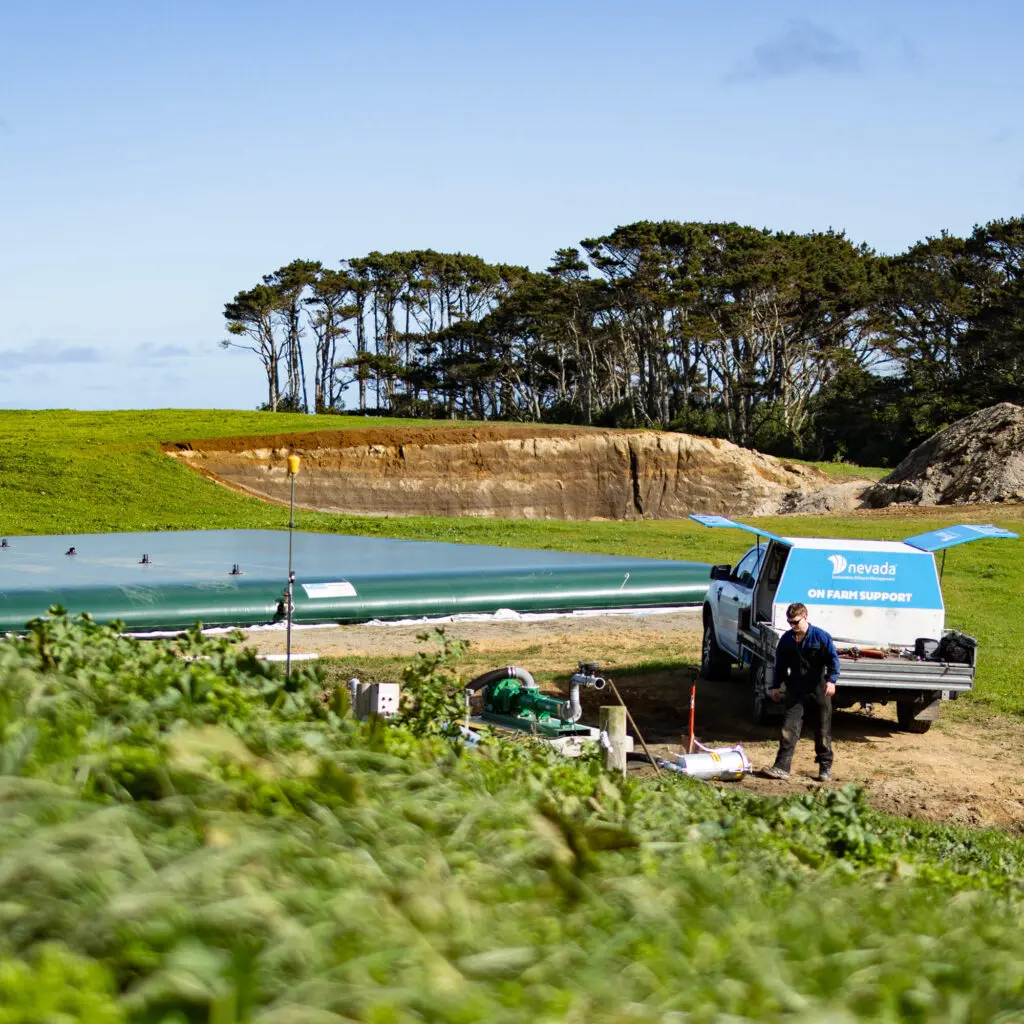
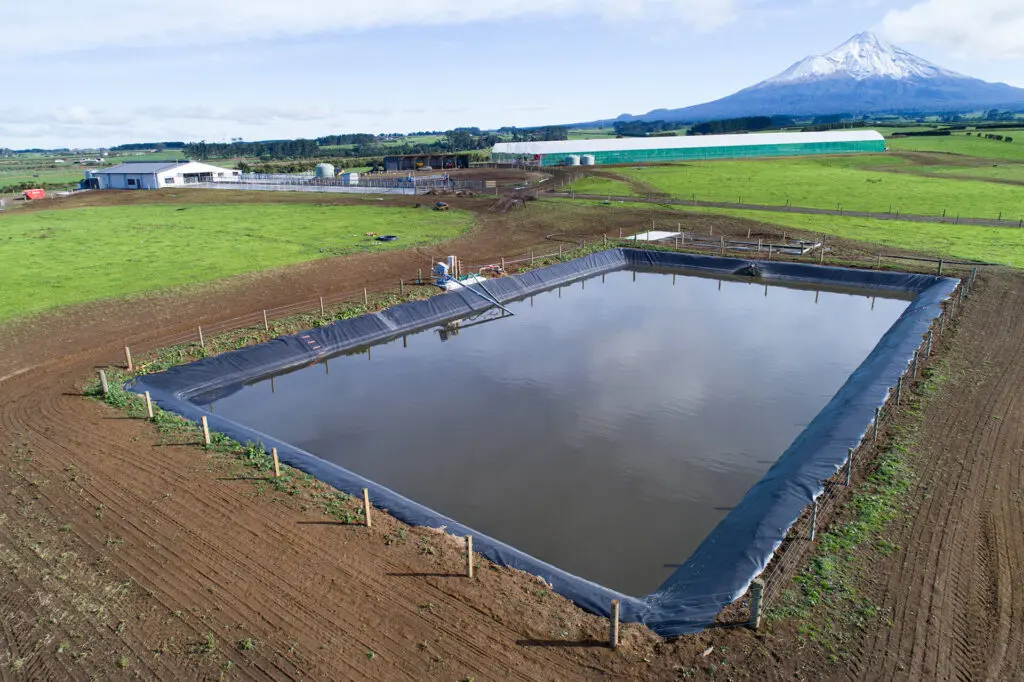
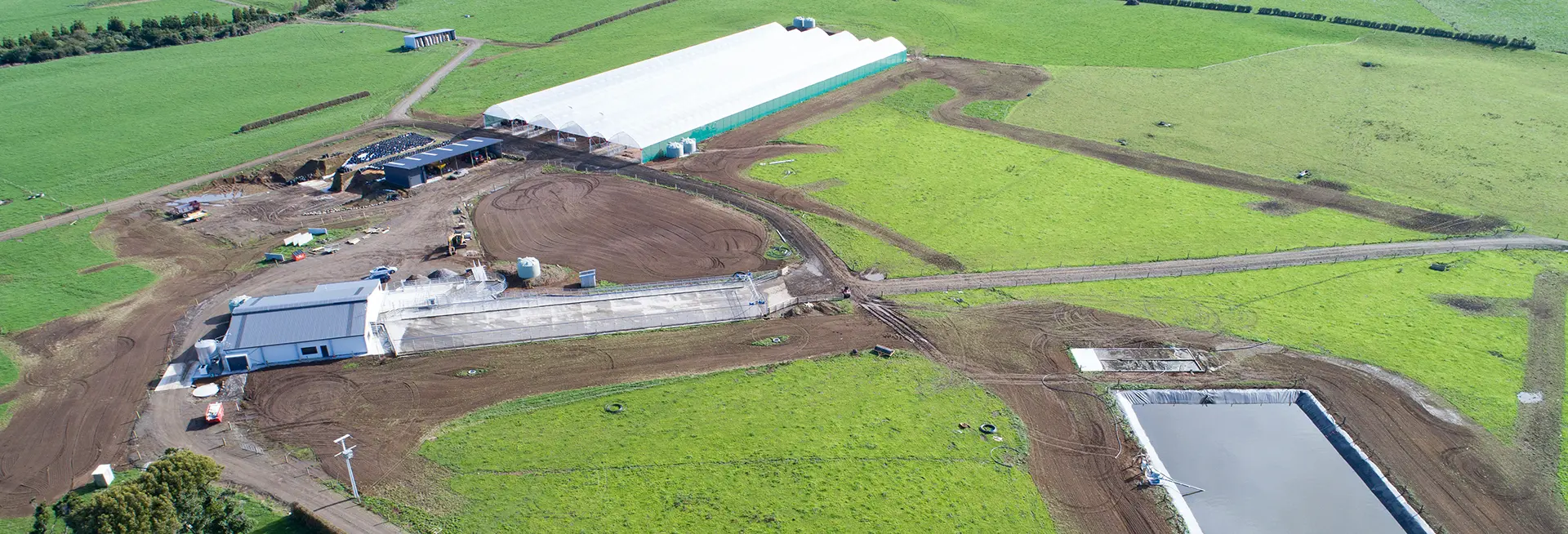
Yes, we say this a lot – but it’s important for having an efficient, and council compliant dairy effluent management system….make sure you have the right amount of effluent storage to suit the needs of your farm.
Having the correct size storage means you’re not having to spread too often. If your storage is too small, you’ll need to be spreading to prevent the pond/tank from overflowing. Spreading in conditions where the ground is not primed for soaking up the effluent nutrients (eg. when the ground is already saturated from wet weather), is likely to cause ponding/run-off….a bit of a council compliance no no…
Click here for more information on choosing the right effluent storage size for your farm, or if you run an effluent sump and need more storage for times when irrigating is not possible, read this blog for 3 of the best strategies for achieving extra sump storage.
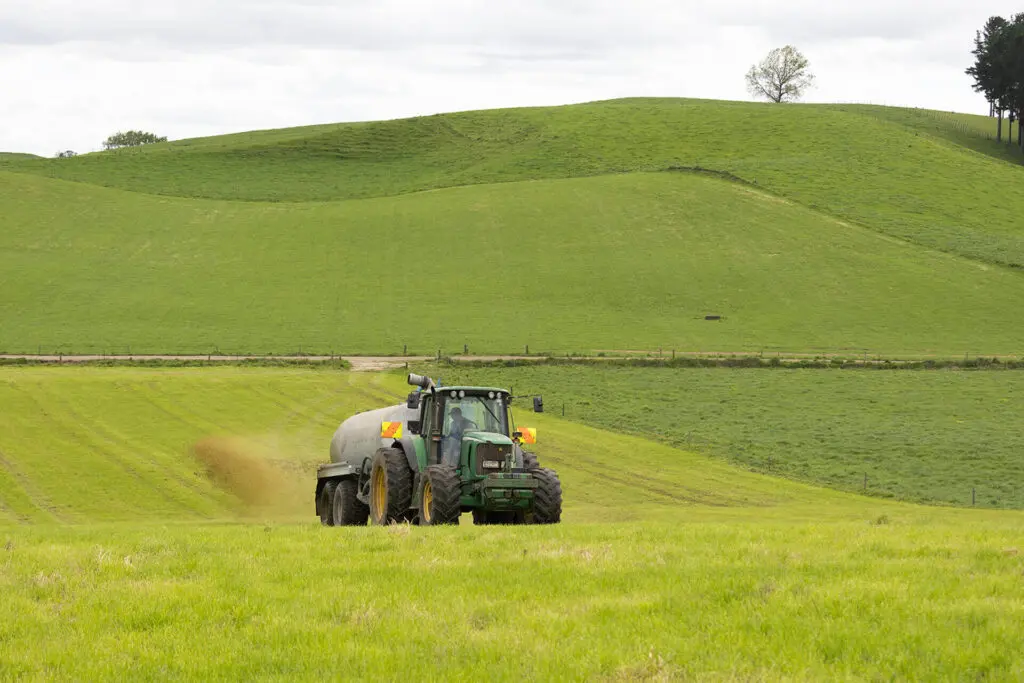
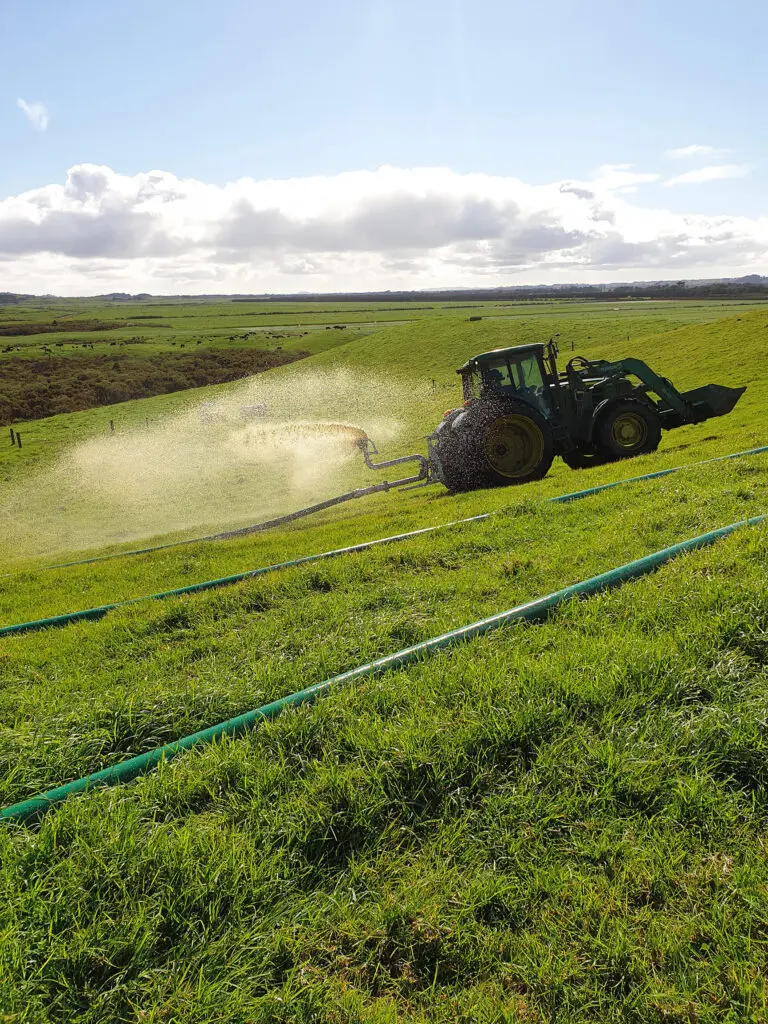
When choosing a method of spreading effluent, look for machinery/systems that allow you to have control over your application.
The ideal effluent spreader can be adjusted to suit the conditions, and also provide a consistent/even spread for more control over how far and where the effluent is going. For example, in winter there is not much evaporation, giving the soil a very small deficit. With saturated soil, only a very small amount of effluent can be applied, so it is recommended to spread only a very light application while travelling 5-6km/h.
This really depends on your effluent management system set up – there are a lot of different scenarios where different solutions may be appropriate.
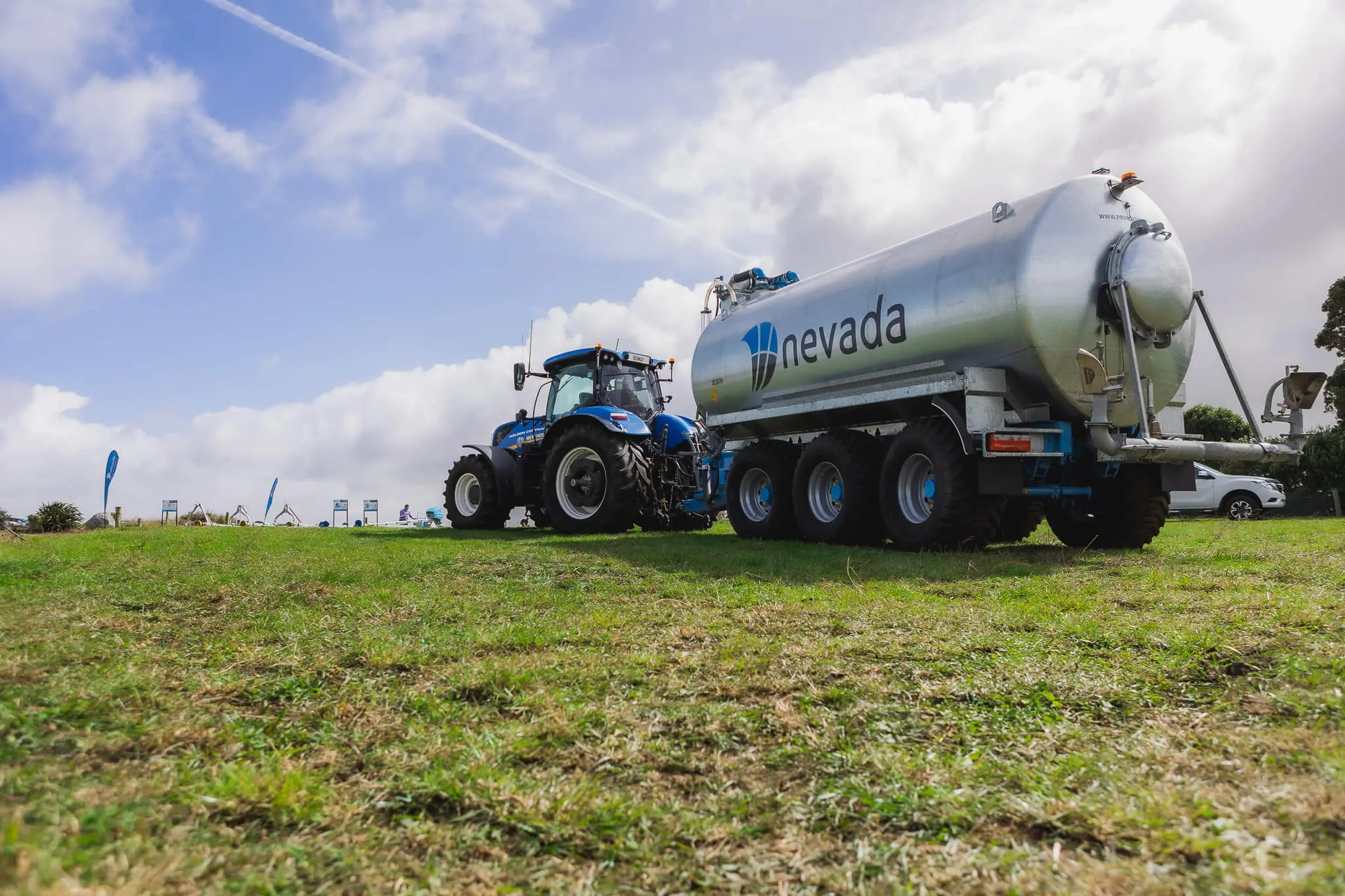
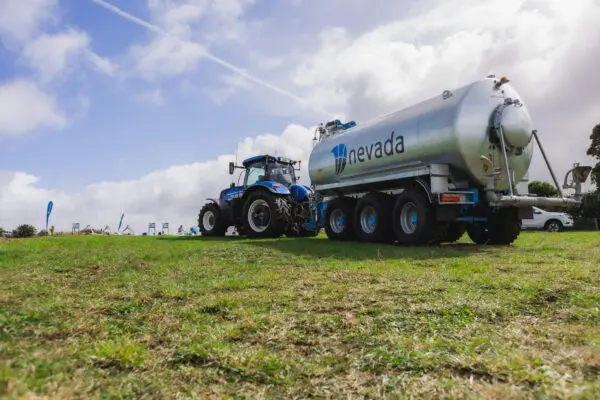
For general situations where a dairy farmer is storing effluent and spreading when approprate, a slurry tanker with RainWave™ spreader is a popular choice because:
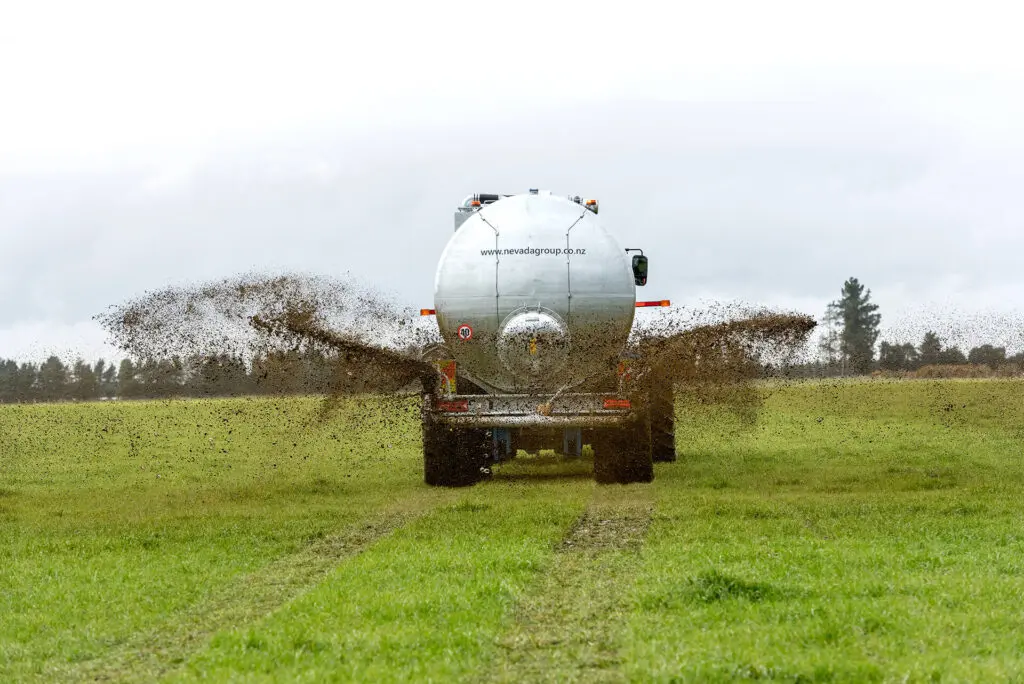

Best practice is to spread over a larger area than the bare minimum recommended by most councils.
Councils typically work out the recommended amount based on nitrogen (N) per hectare, per annum. However this often will result in potassium (K) levels becoming too high. Spreading over a bigger area than recommended will help to resolve this issue.
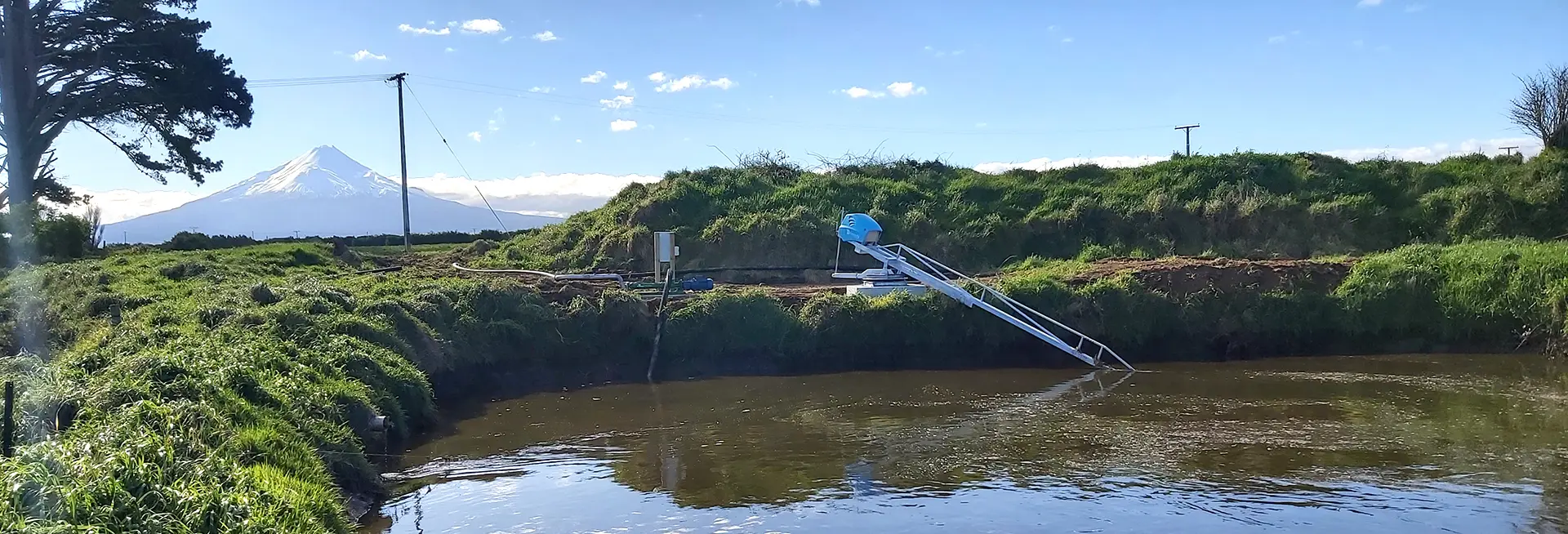
Need more effluent storage? No worries! We can help with all aspects of effluent storage planning and placement including: Dairy Effluent Storage Calculations (DESC), Choosing the best type of effluent storage Bladder Tanks, Lined Ponds or Above Ground Tanks. Deciding on the best size to suit your farm’s long-term goals, Advice on placement and council compliance, integration with new or existing systems – stone traps, sumps, weeping walls, pipes/hydrants, pumps, stirrers, and project management.

"*" indicates required fields
"*" indicates required fields
"*" indicates required fields
"*" indicates required fields