Fertilise Without Damaging your Crops

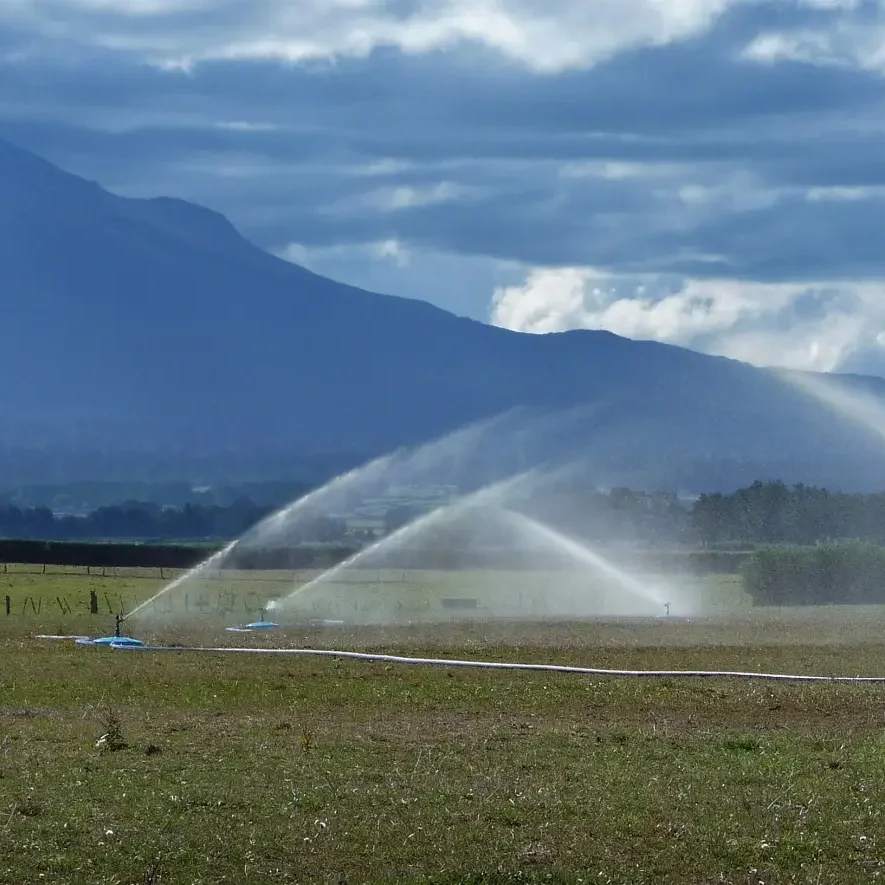
Since Fertigators don’t need to be moved they won’t cause any damage to crops but sit amongst them so you can fertilse over the entire field.
Preparing the ground for seeding is easy enough – there’s no plants stopping you from getting in there with your slurry tanker or draghose system to spread plenty of effluent over the ground!
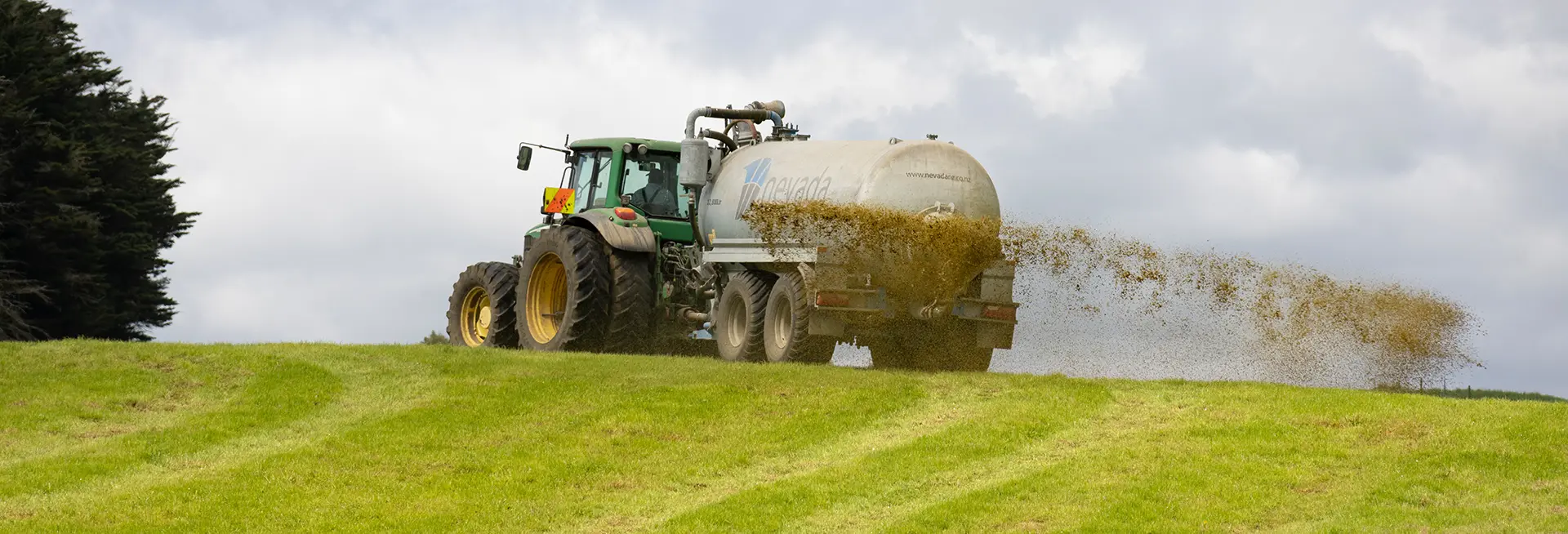
The issue is, slurry tankers and drag hose systems aren’t ideal for spreading during the critical times like germination and early crop establishment…but there is something that works…

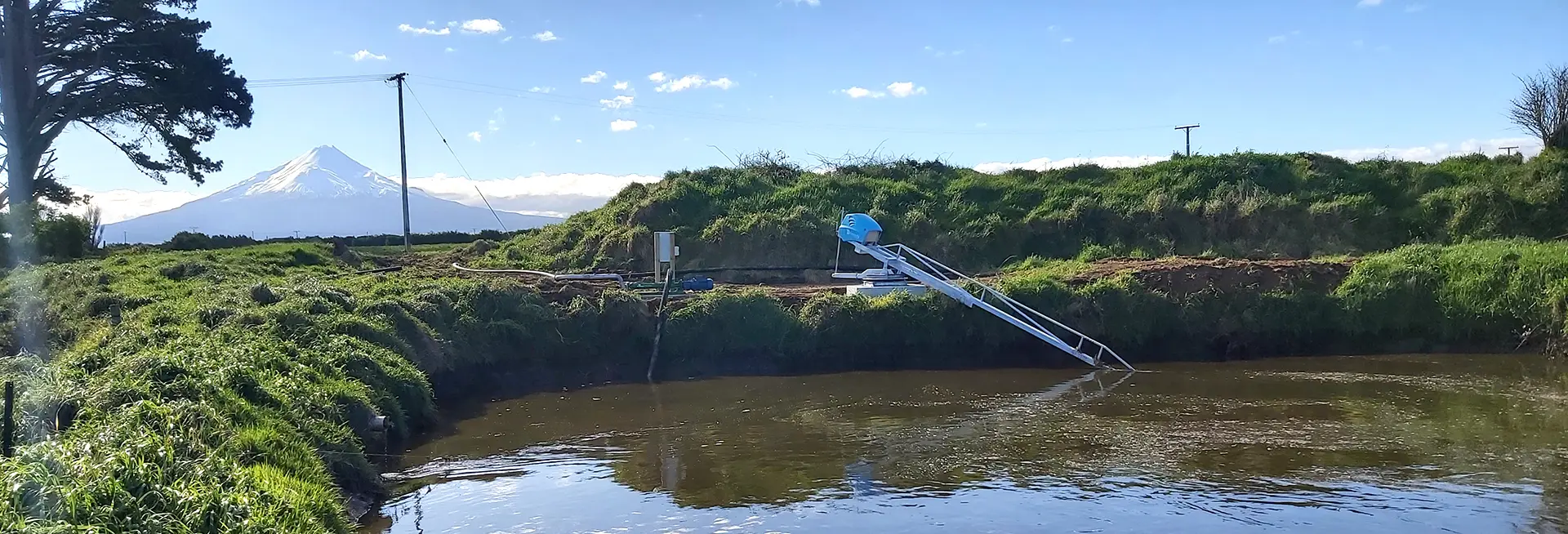
Fertigators are a New Zealand manufactured pod-type irrigator which can be connected to run multiple pods at once, depending on the size of your crop fields. Simply lay them out after seeding – approximately 50 metres apart, leave them there for the season, and fertilise when needed. Then just pick them up before harvesting or grazing – simple!

Fertilise Without Damaging your Crops

Since Fertigators don’t need to be moved they won’t cause any damage to crops but sit amongst them so you can spread over the entire field. With multiple pods they can be situated to suit the shape of the crop field so no patch is left unfertilised.

Your choice of pump will depend on how many Fertigators are being run at once, distance and ground level – if you’re not sure, give us a call and we’re happy to do the calculations and make a recommendation to suit your needs.

Fertigators are the perfect solution for fertilising your crops without causing damage.
Fertilise Without Damaging your Crops with a Nevada Fertigator
Fertilise Without Damaging your Crops 2

More Blogs

Getting the most out of your effluent system starts long before spreading. Correct stirrer placement plays a major role in how well solids are broken down, nutrients are suspended, and the slurry remains consistent. If a stirrer is poorly positioned, even the best equipment can struggle to deliver reliable results.
A slurry tanker is a long-term investment, so getting the fundamentals right matters. This guide outlines three non-negotiables to look for, including corrosion-resistant galvanised steel, a full chassis for larger tankers, and an applicator that delivers a consistent, even spread to support compliance and long-term performance.
Choosing the right effluent storage option can make a big difference to your farm’s setup and council compliance. In this blog, we break down the different types of storage, pond liners, and what will work most effectively depending on your land, water table, and farm layout.

Subscribe to our Newsletter