The best way to achieve a high ‘3 P’s’ score is to manage effluent as one product:
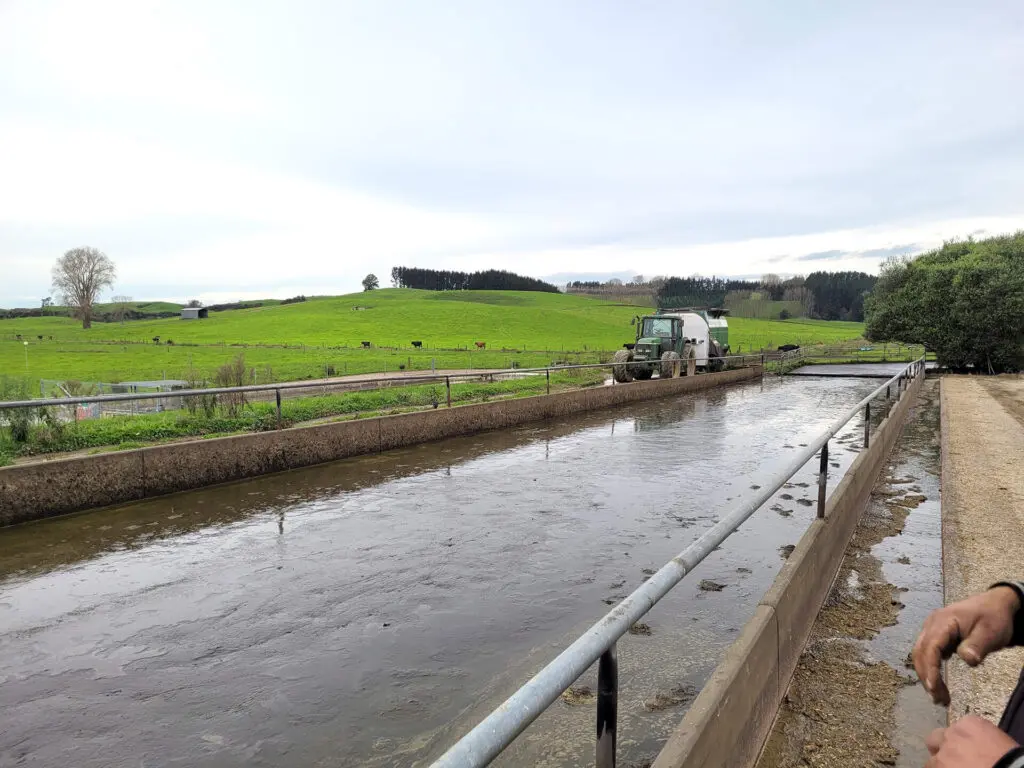
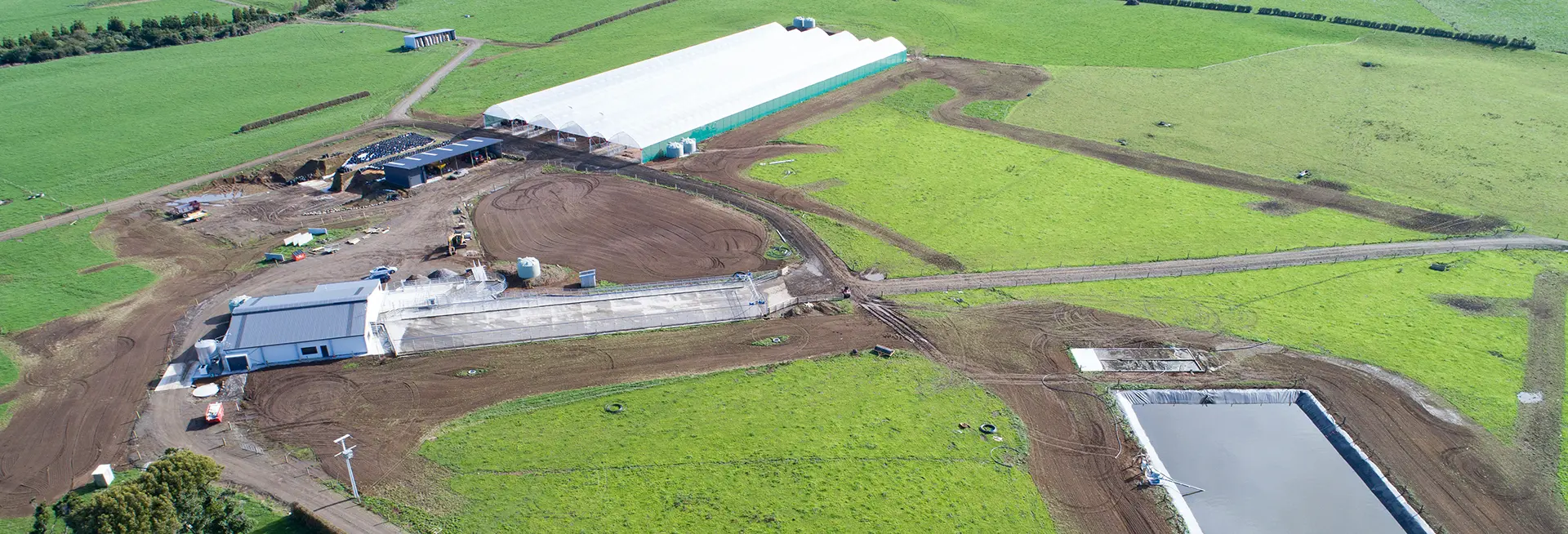
If your feed pad or yard has the correct slope, then floodwashing with recycled effluent is best practice. Greenwater for floodwash can be decanted off the effluent pond – no separation required. Using a floating suction pipe and allowing the pond to settle the water decanted is perfect for floodwashing.
The secret to effective floodwashing is fast dumping to create a wall of water that collects the solids and carries them straight of the feed pad to the pond. A stone trap is advisable wherever stones are present but is not essential.
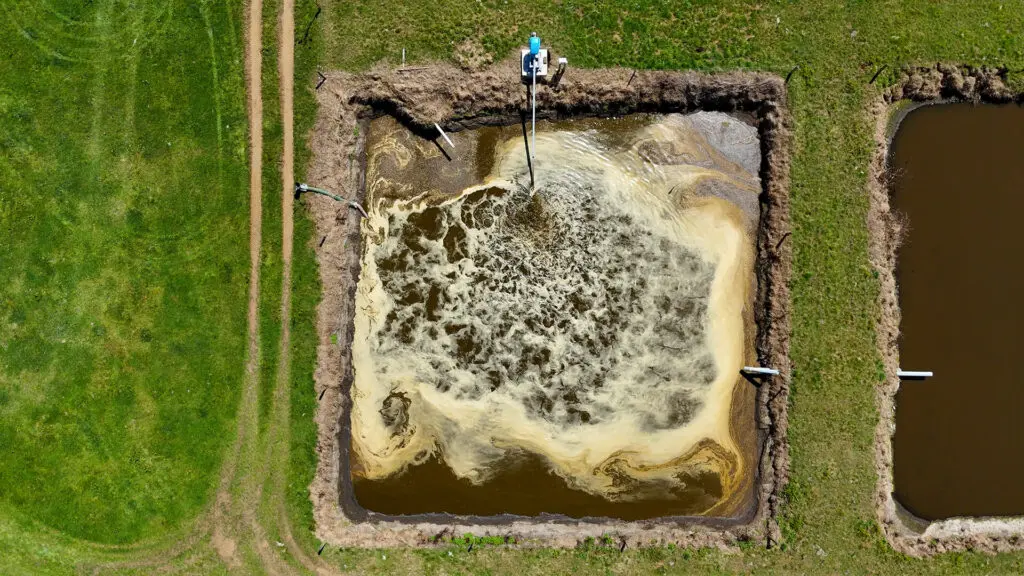
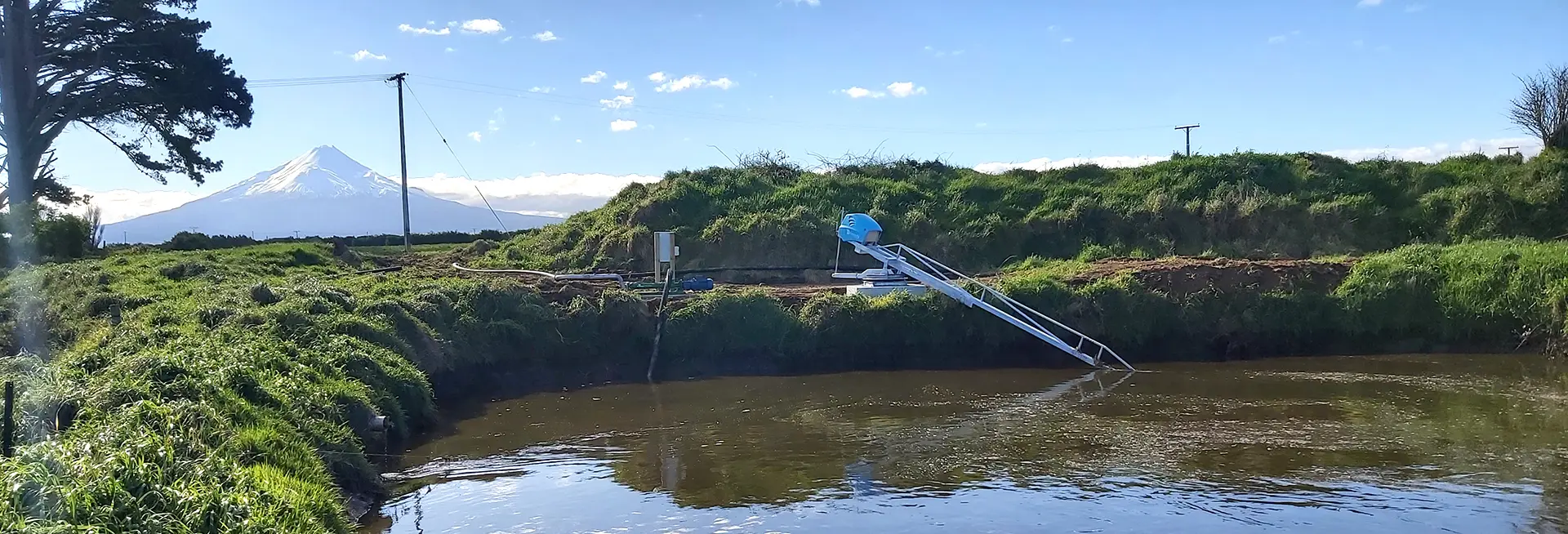
Effective pond stirring is key to the success of the system. The stirrer must be shore-mounted and create a strong horizontal thrust across the pond, bringing the solids into suspension.
Nevada Electric stirrers are ideal as they have the powerful Typhoon™ propeller which is capable of mixing large ponds. The angle and depth adjustment help ensure the whole pond is thoroughly mixed prior to pumping. If electricity is not available, a tractor powered stirrer can be used. Nevada have a range of stirrers and extensions for every situation.
The homogenous mixture can be pumped successfully with a solids-handling progressive cavity or centrifugal pump. These can be electric, tractor driven, or diesel powered.
Irrigation of whole effluent can be through the Nevada Rainwave™ drag hose system, traditional travelling irrigators or stationary rain guns.
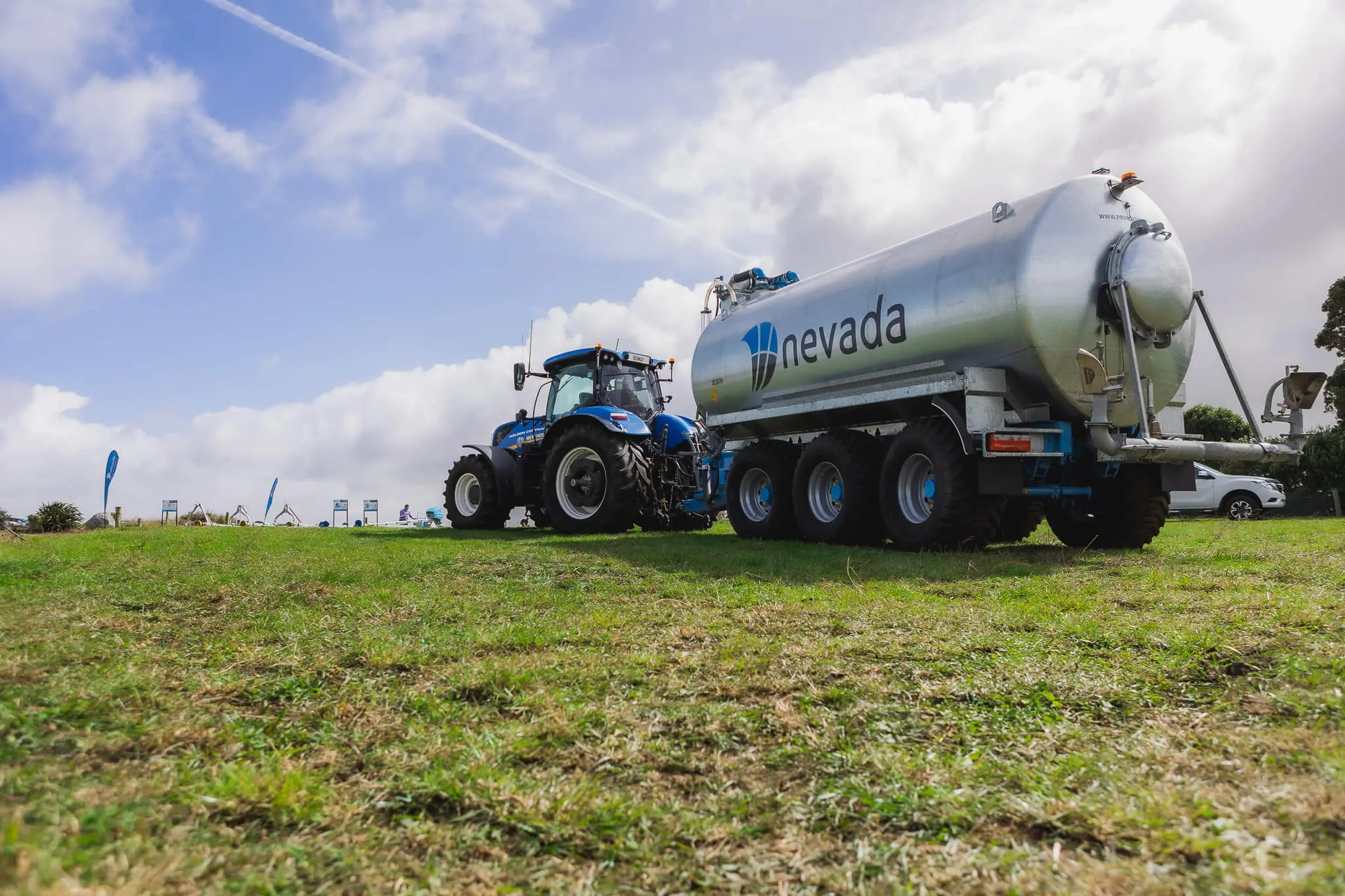
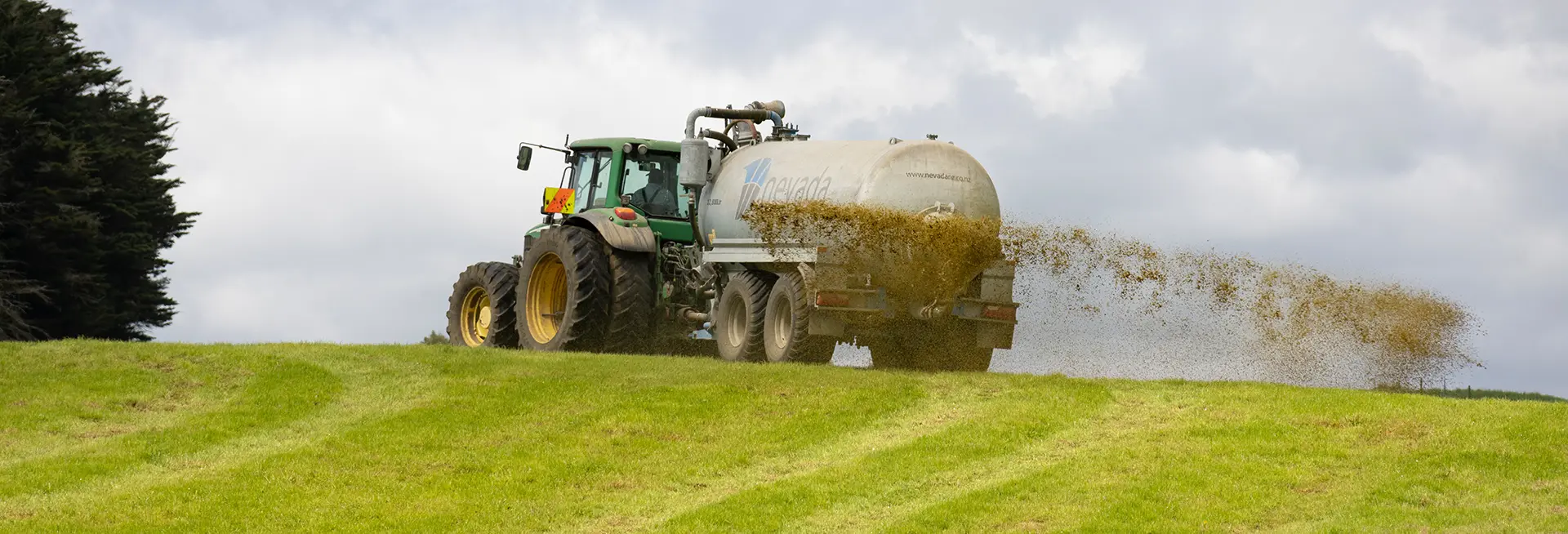
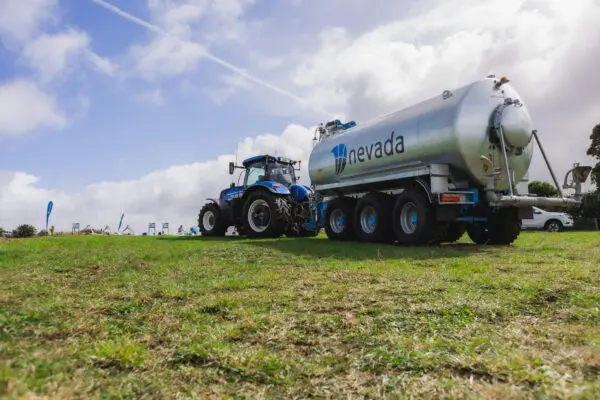
Slurry tankers are another excellent method of applying effluent to land. No effluent passes through a pump, and effluent can be applied to the whole farm. This makes best use of nutrients for maximum profit.
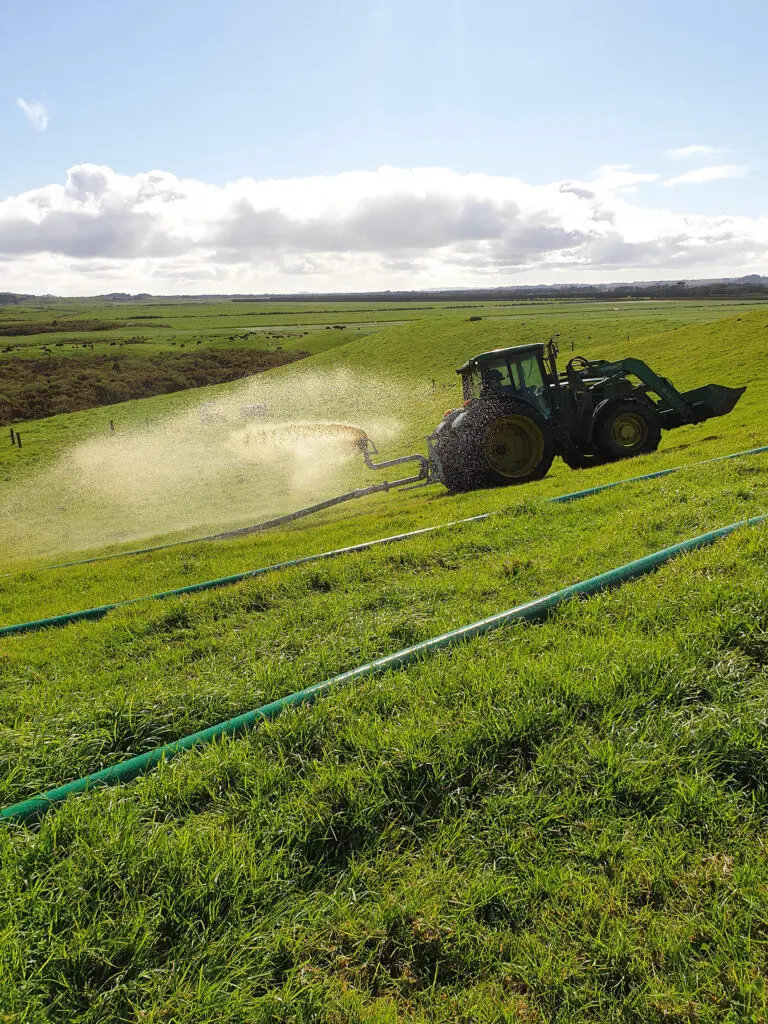
Managing effluent as one product straight from the feed pad will achieve the highest 3 ‘P’s score when compared to solids separation systems. Whether it is a new installation or upgrading an existing system give the Nevada guys a call for free advice. 0800 464 393
"*" indicates required fields
"*" indicates required fields
"*" indicates required fields
"*" indicates required fields