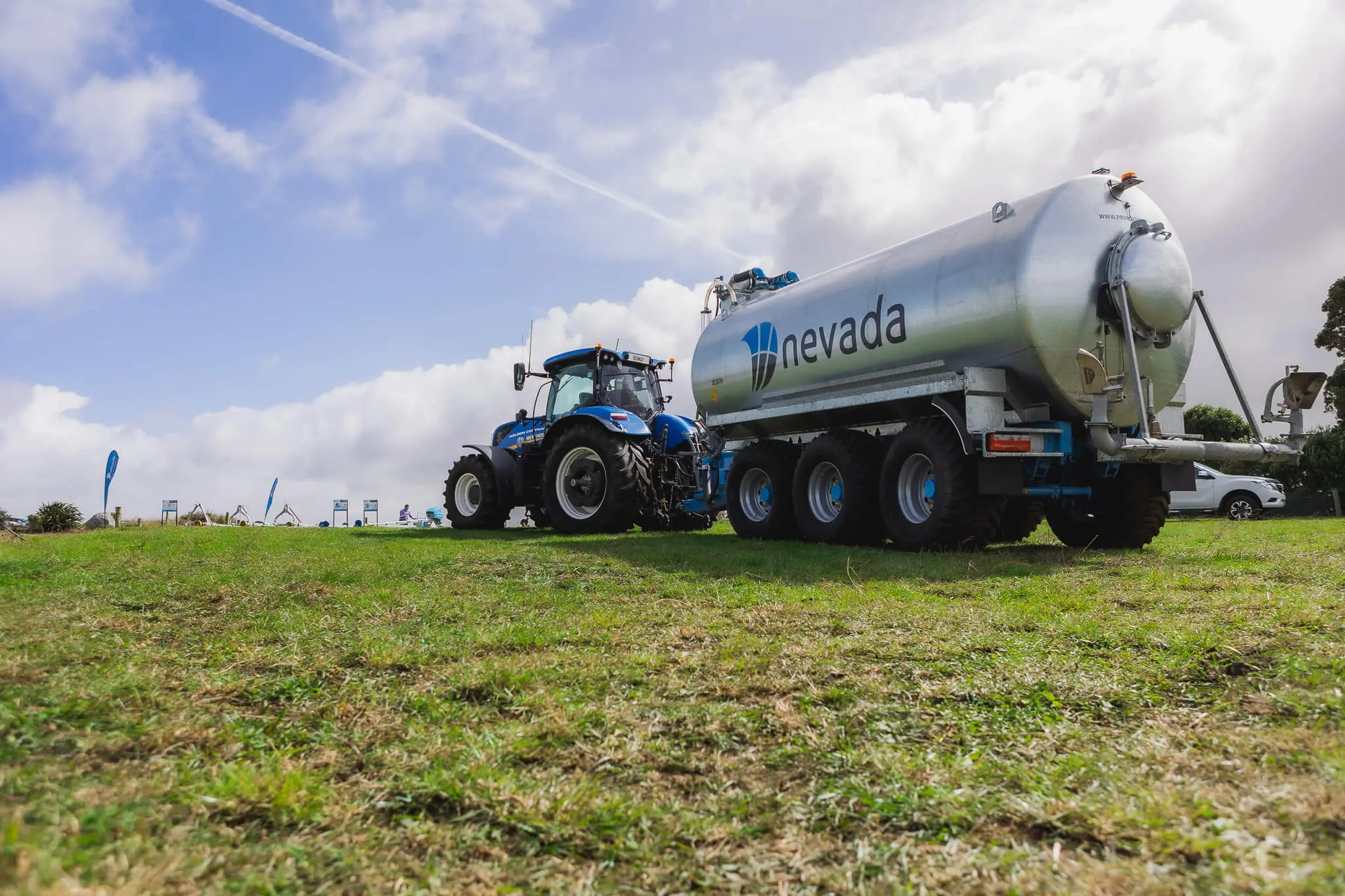
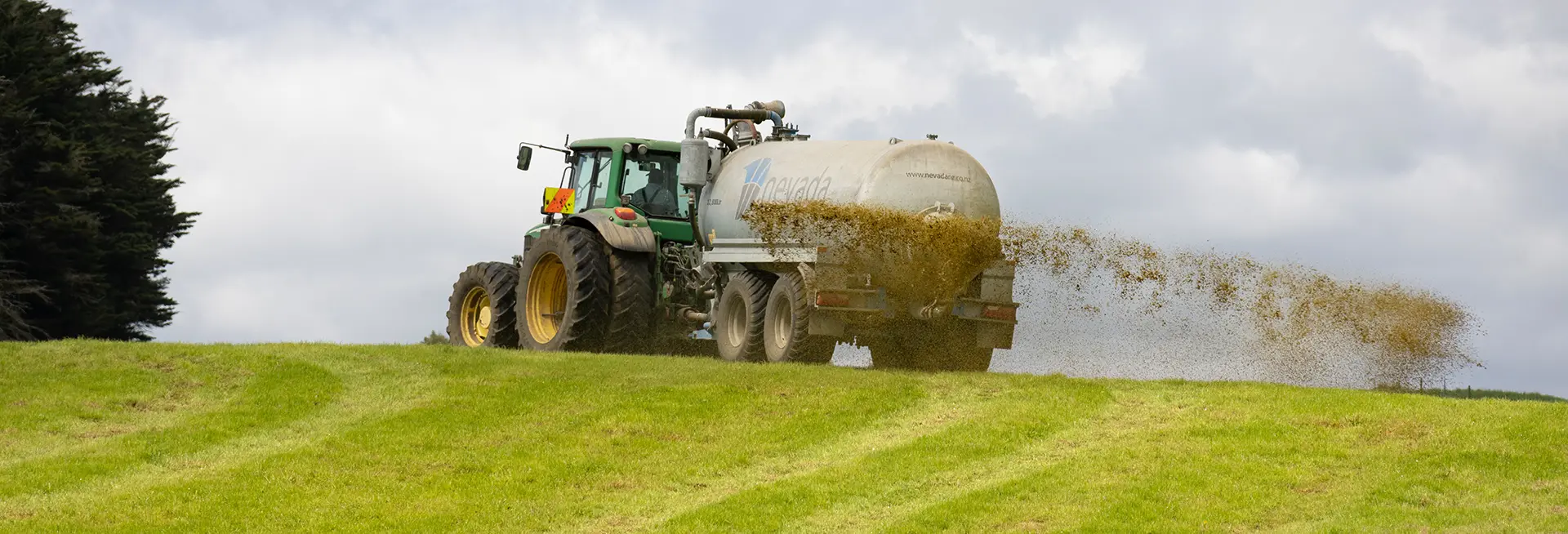
Ben Johnson and Mackenzie Priest-Johnson farm near Riversdale, Southland.
Their dairy effluent is applied at around 36,000 to 38,000 litres per hectare, or roughly 4 mm.
At that application rate, their nutrient test indicated they were applying approximately:
That gives a clear picture of the nutrient being applied each time they spread effluent.

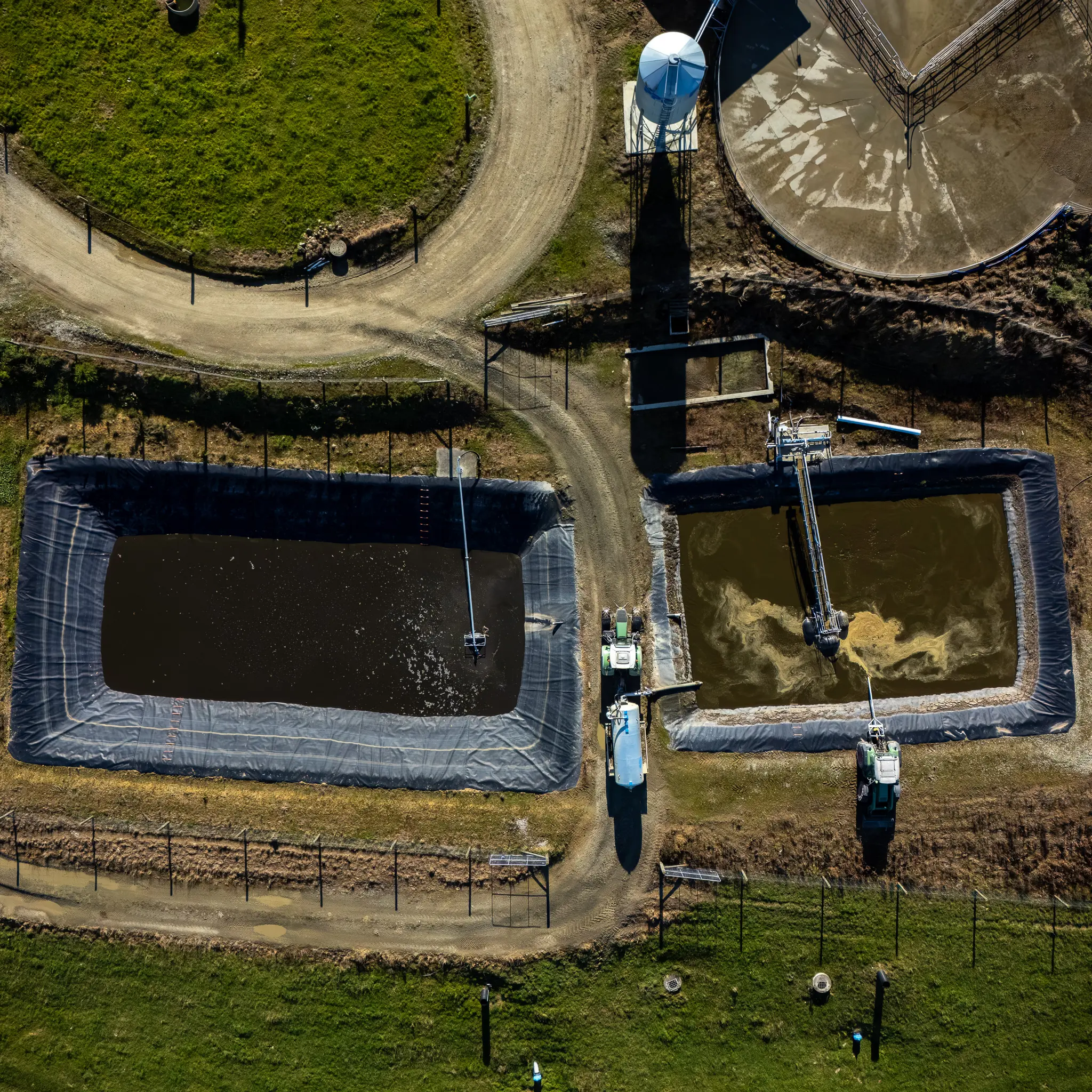
There isn’t one standard NPK figure that applies to every farm. Nutrient concentrations can vary, and so can the amount of effluent being applied per hectare.
Testing your own effluent, alongside knowing your application rate, gives you farm-specific numbers to work with when making fertiliser decisions.
For Ben and Mackenzie, those numbers helped put real value around what they were returning to the farm. They now complete three full-farm effluent rounds each year and, in one season, were able to cut two full rounds of synthetic nitrogen while producing 10,000 kg more milk solids.
Their results won’t be the same for every farm, but they show why knowing the nutrient value of your own effluent can be worthwhile.
In this short video, Mackenzie and Ben talk through their full-farm effluent rounds and what the nutrient testing showed.
Test your own dairy effluent with the Nevada DIY Effluent Nutrient Testing Kit and put real numbers around its nutrient value.
Read Cutting Synthetic Nitrogen with Dairy Effluent | Southland, or watch their follow-up On Farm video on YouTube.

"*" indicates required fields
"*" indicates required fields
"*" indicates required fields
"*" indicates required fields