Jamie’s way of thinking is that he can’t control the payout each year on his milk solids; that’s out of his hands. But what he can take control of are his costs. Rein in his costs, and he can get back onto firmer ground. That is the plan, to make dairy farming more cost-effective by reducing his dependence on artificial fertiliser and boosting his crop production by spreading effluent.
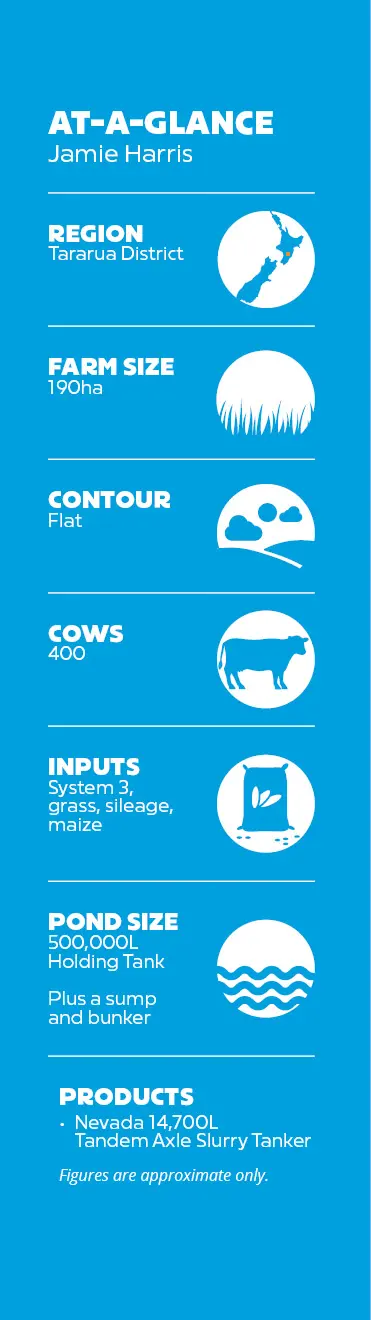
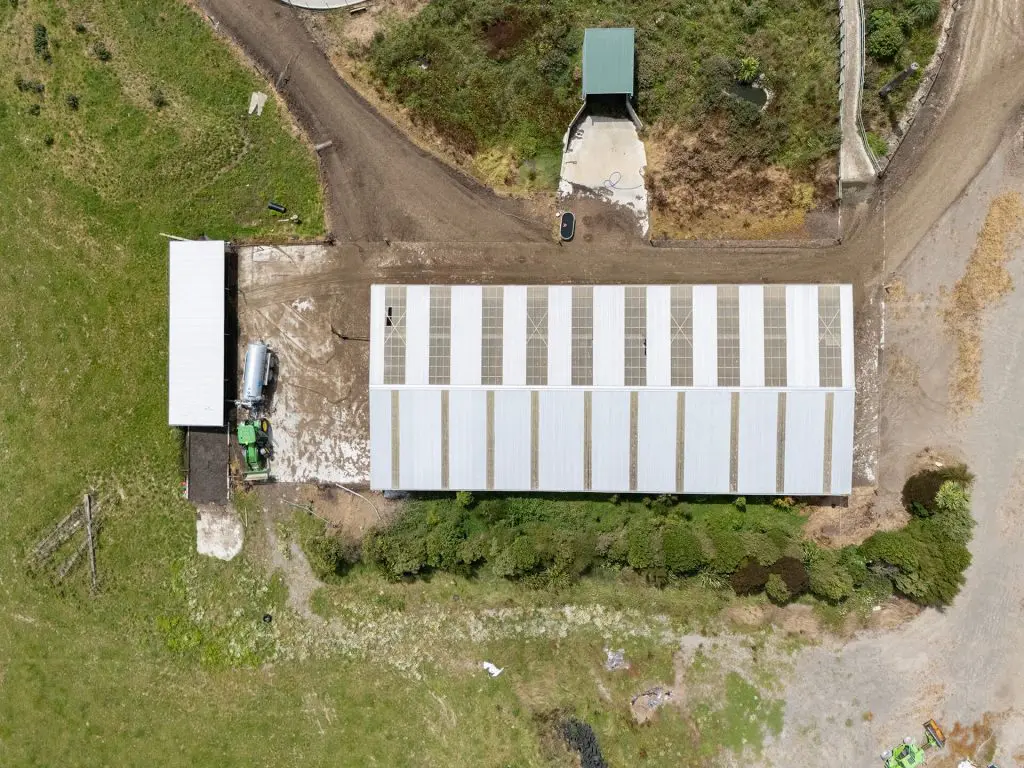
Jamie has put in place a simple effluent management system. With his system, he only needs to use one pump. He has a 40-a-side cowshed with a 1,100-square-metre feed pad. He dry scrapes into a bunker at the end of the feed pad once the cows come out. That bunker is connected to a sump, which in turn is connected to a 500,000L holding tank via an effluent pump. Gravity can send effluent back to either the sump or bunker that Jamie uses to fill his Nevada slurry tanker. You’d think that 500,000 litres is a lot of storage, but not when it rains all the time. It was a headache, but now all of that effluent is being used efficiently and spread across the whole farm for nine or ten months of the year.
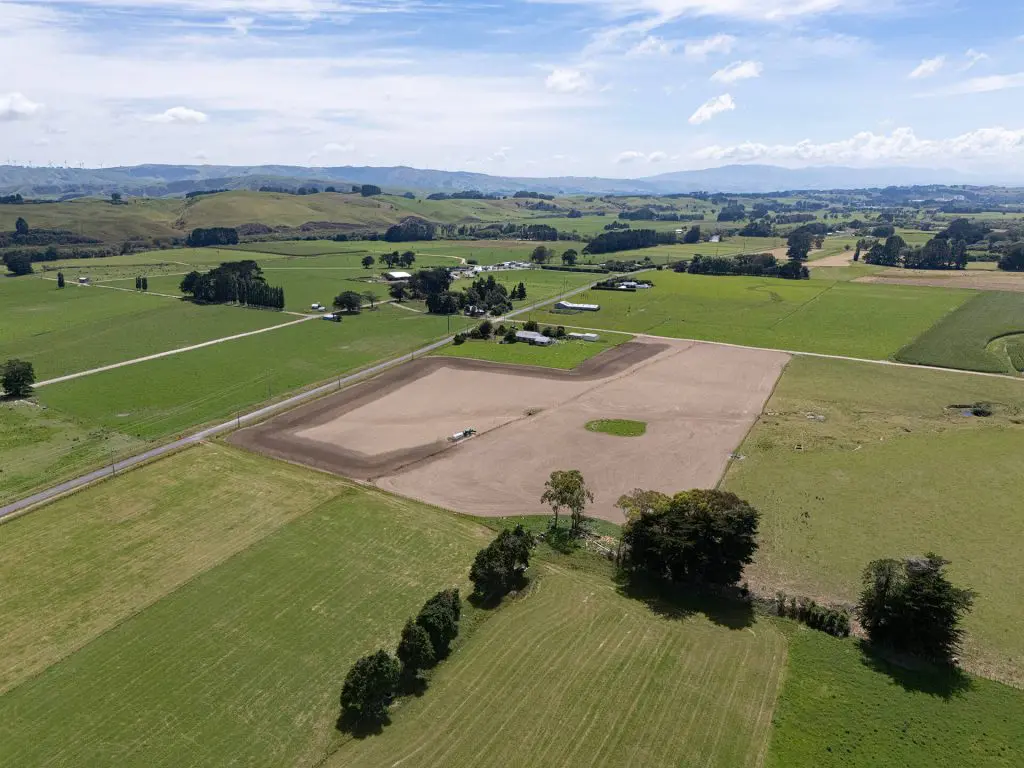
They had leased some land that had been very unproductive for a dry stock farm. The paddock wasn’t growing a lot of grass, so they decided to grow a winter crop and make better use of the land. For fertiliser, they thought the most cost-effective choice would be effluent. That has been a very wise choice.
They have always grown maize and like to have about a tonne of maize per cow. Since using effluent, they have been able to grow four tonnes more per hectare than they did before. This is a fantastic result for them. A crop that gave marginal returns is now producing a good profit. The soil is great here but they don’t get the sun that other farms would enjoy. They have gone from producing 20 tonnes per hectare to 24 tonnes per hectare and they have done that two years in a row and that growth is down to the effluent.

Before they had a slurry tanker, they could just cover 12 hectares with buried and fixed effluent lines and covered a further five or six hectares using drag hoses. Now they cover 100% of the farm, all 190 hectares. Using the slurry tanker to spread the effluent, even the furthest paddocks are growing at the same pace as the nearest paddocks to the cowshed.
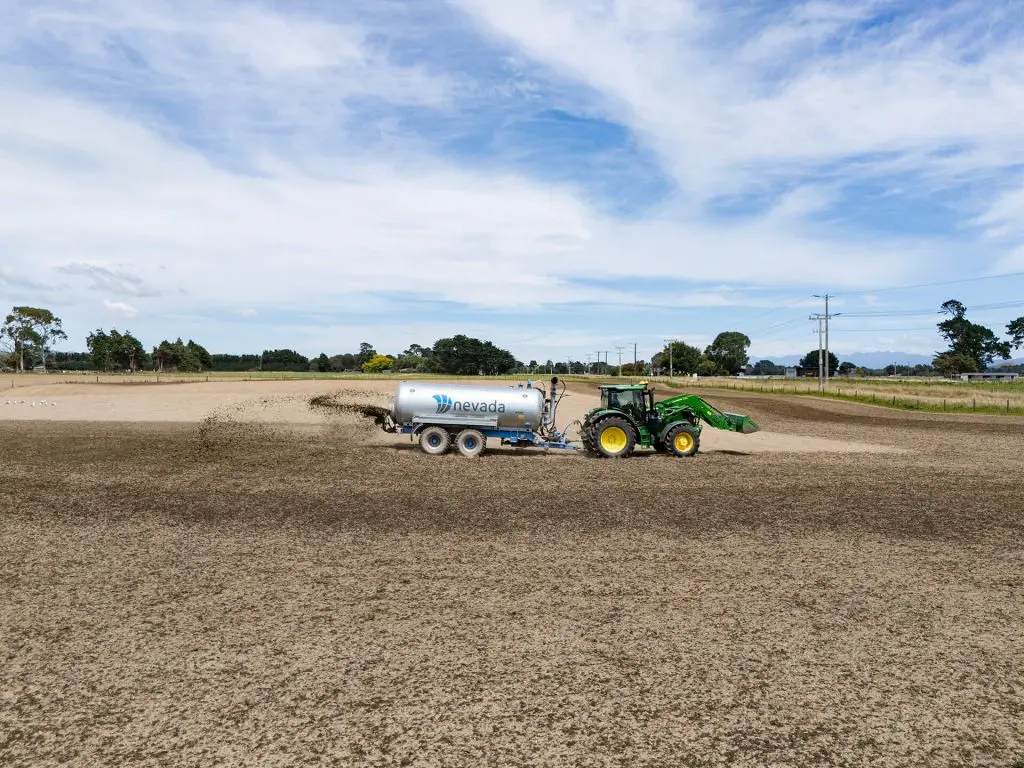
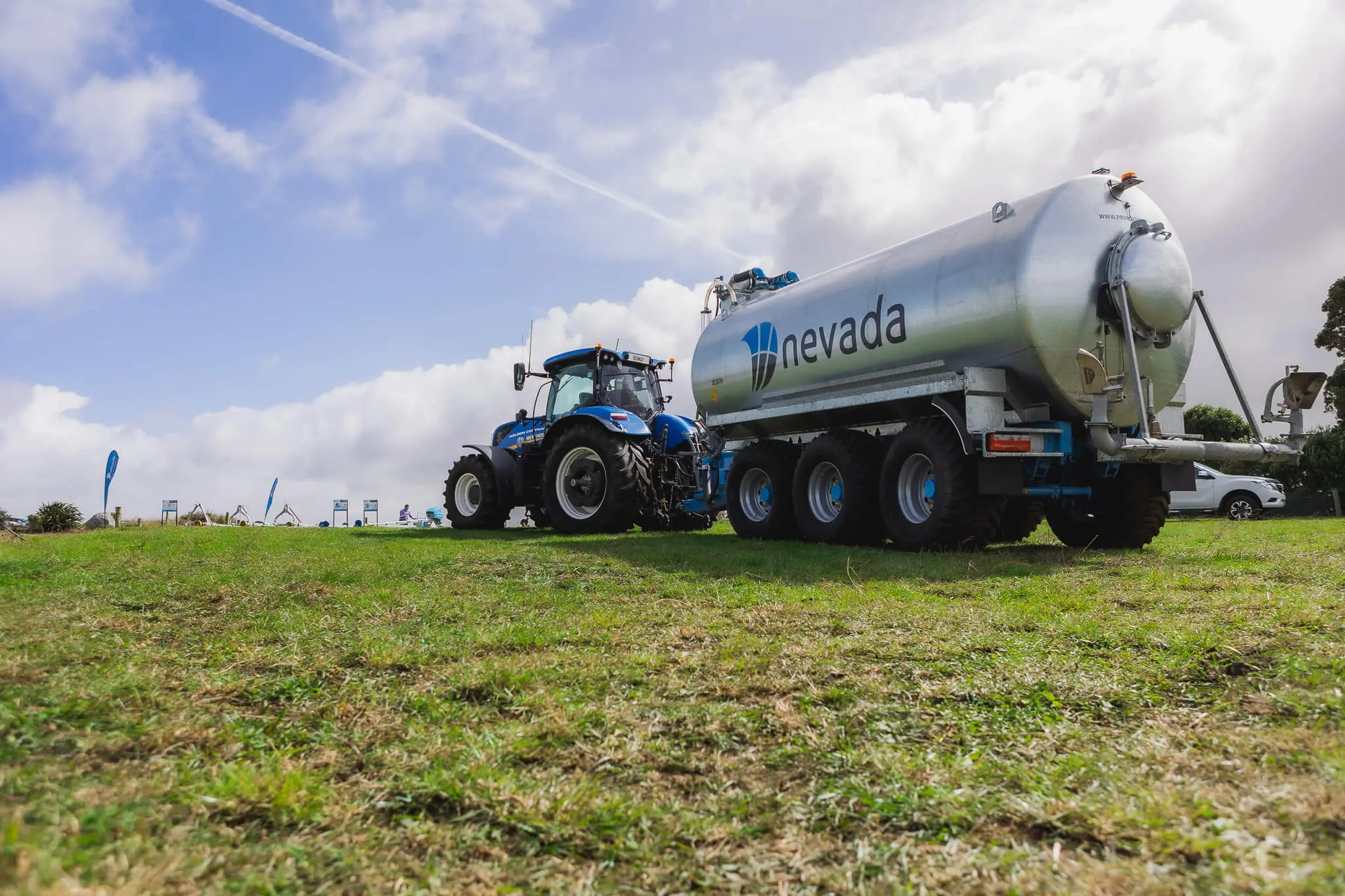
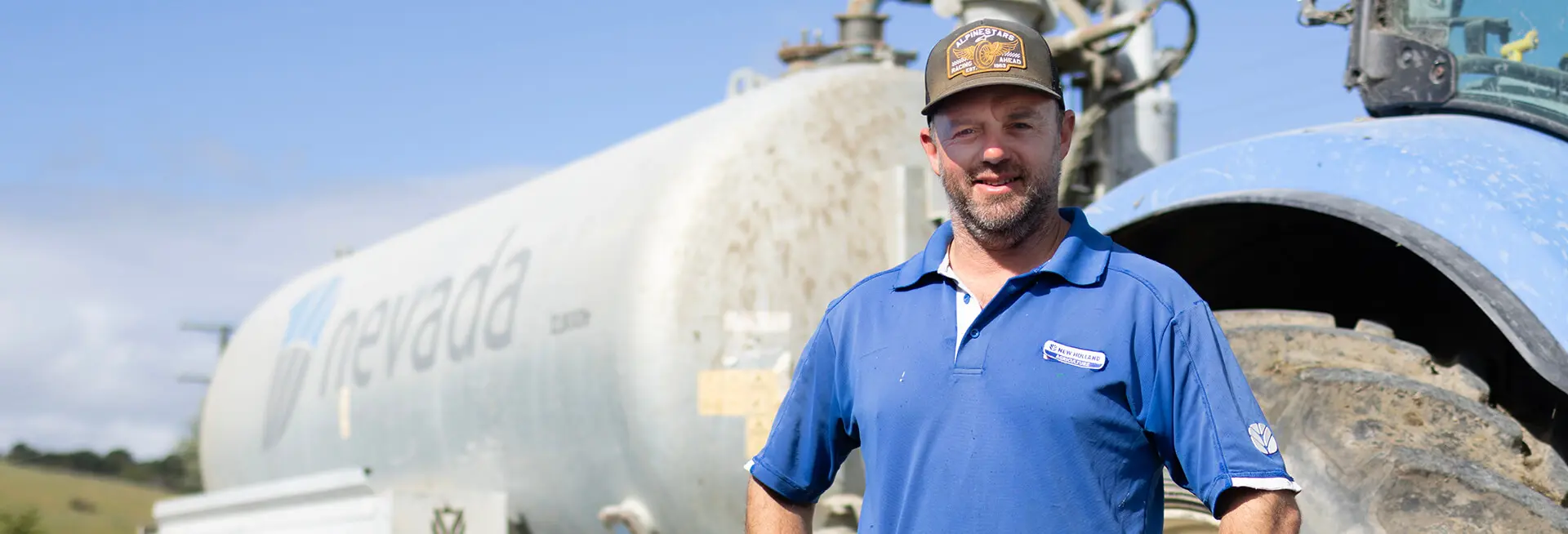
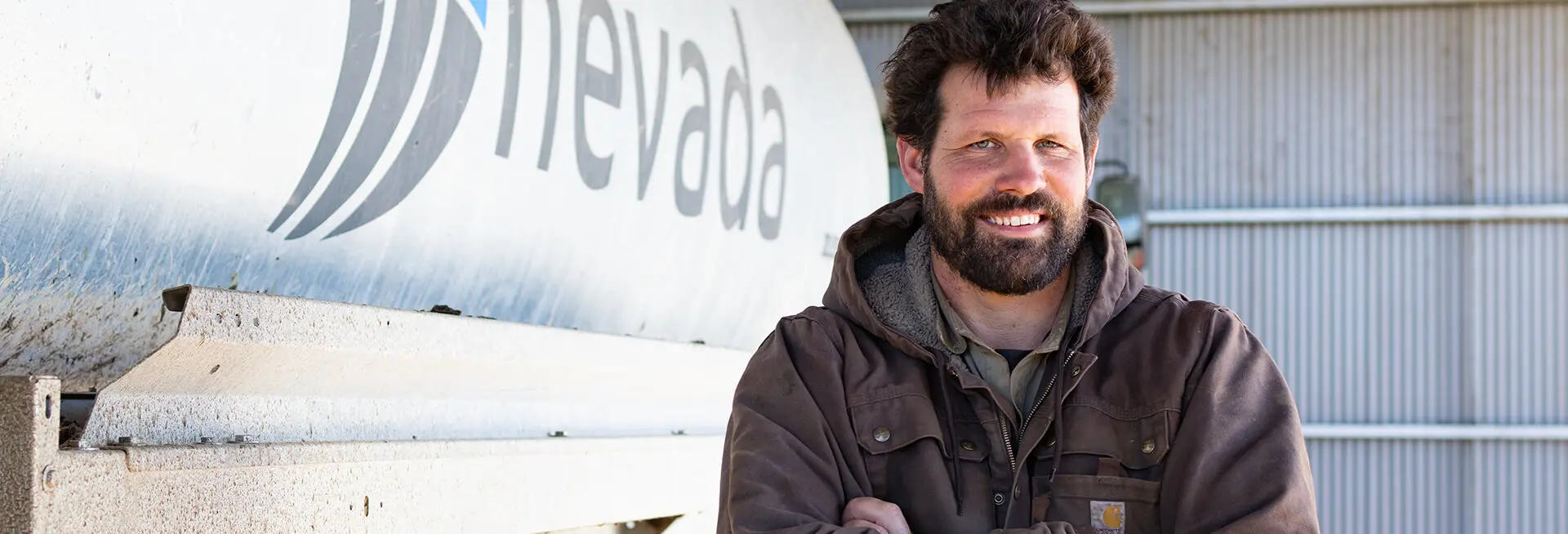
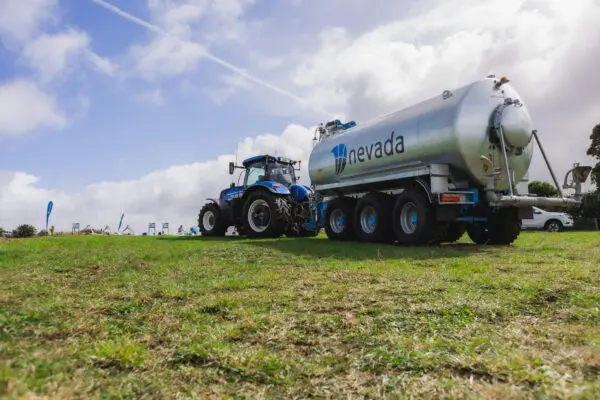
Jamie did his research and opted for the Nevada 14,750L slurry tanker with a lease-to-buy arrangement that he was very happy with. It has tandem axles and big flotation tyres that protect the ground from getting churned up. He can just sit in the cab and operate it in comfort from there, simple and clean. The auto-fill arm drops into the bunker, fills up the tanker in minutes, and he can be off spreading while his staff is washing down the cowshed. It is simple, efficient and saved him a considerable amount of money on artificial fertiliser costs.
“The tractor only has 145hp and it pulls the 14,700L (sic) tanker but doesn’t feel as though it is under-tractored with it at all.” Jamie Harris
For him the biggest benefit is that he has been able to get nutrients to all parts of the farm. His soil health has improved, and crop production has been his biggest surprise. He has saved thousands in artificial fertiliser costs, and his plan to become self-sufficient is well underway. His recommendation is, do your research, and it will quickly point you to a Nevada.
"*" indicates required fields
"*" indicates required fields
"*" indicates required fields
"*" indicates required fields