Pond Safety – Don’t let your Mates get in the Sh*t

Don’t let your mates end up in the sh*t- literally. Effluent ponds are no joke when it comes to safety, and if you’re still using a pontoon, it might be time for a rethink. Here’s how a simple change to a PondBoom™ can keep your crew safe and your gear running sweet.
Effluent ponds are dangerous, and if something goes wrong it could be you in the crap!

Pond Safety

With H&S laws in place PCBU (People Conducting a business or Undertaking) are liable for “Failing to comply with duties and exposing individual to risk of death or serious illness or injury”. Fines range from $150k to $1.5m.

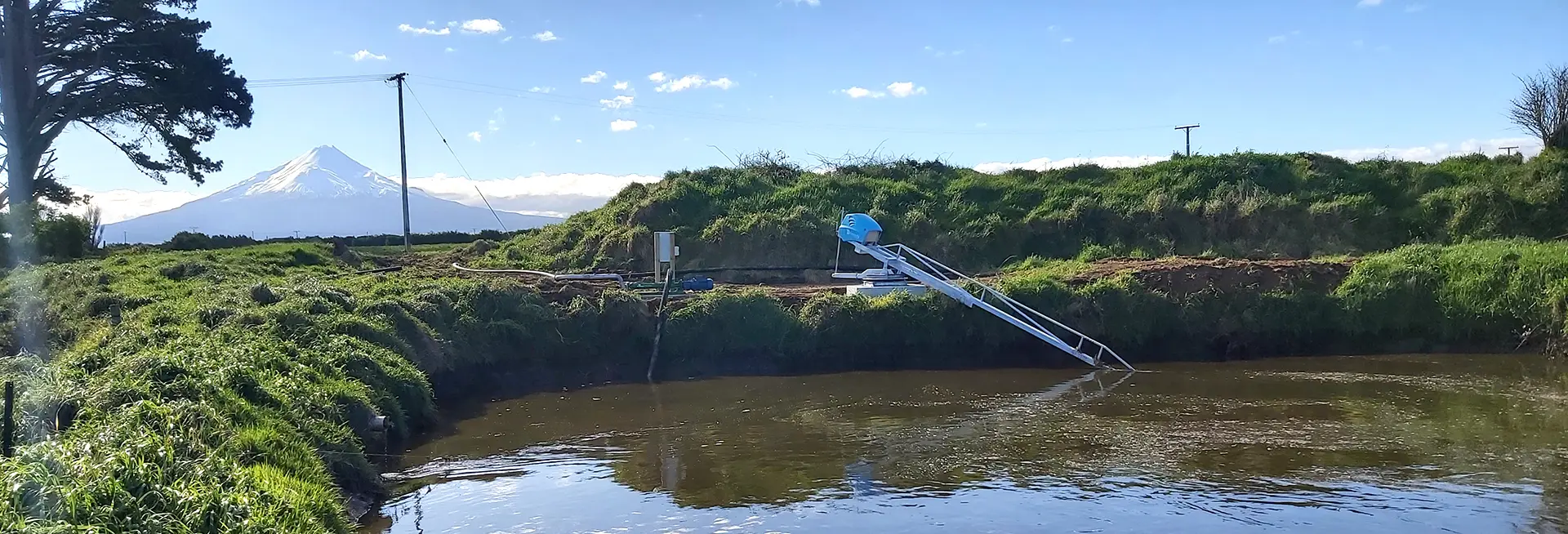
Providing you have taken “all reasonable steps to eliminate or minimise the hazard” you are okay. One such step towards pond safety is to use a Pondboom™ instead of a pontoon to deploy floating effluent pumps. Floating effluent pumps are still the best pump for most dairy farms. The hazard associated with floating pontoons has roused a trend towards shore-mounted pumps. However pumps are designed to push not suck. Loss of prime is a major cause of pump failure. The Nevada Pondboom™ enables safe deployment of Doda, Yardmaster, Gillies, Numedic, and most other brands of floating pumps.

More Blogs

Getting the most out of your effluent system starts long before spreading. Correct stirrer placement plays a major role in how well solids are broken down, nutrients are suspended, and the slurry remains consistent. If a stirrer is poorly positioned, even the best equipment can struggle to deliver reliable results.
A slurry tanker is a long-term investment, so getting the fundamentals right matters. This guide outlines three non-negotiables to look for, including corrosion-resistant galvanised steel, a full chassis for larger tankers, and an applicator that delivers a consistent, even spread to support compliance and long-term performance.
Choosing the right effluent storage option can make a big difference to your farm’s setup and council compliance. In this blog, we break down the different types of storage, pond liners, and what will work most effectively depending on your land, water table, and farm layout.

Subscribe to our Newsletter