Proactive Dairy Farmers Benefit from Looming Changes

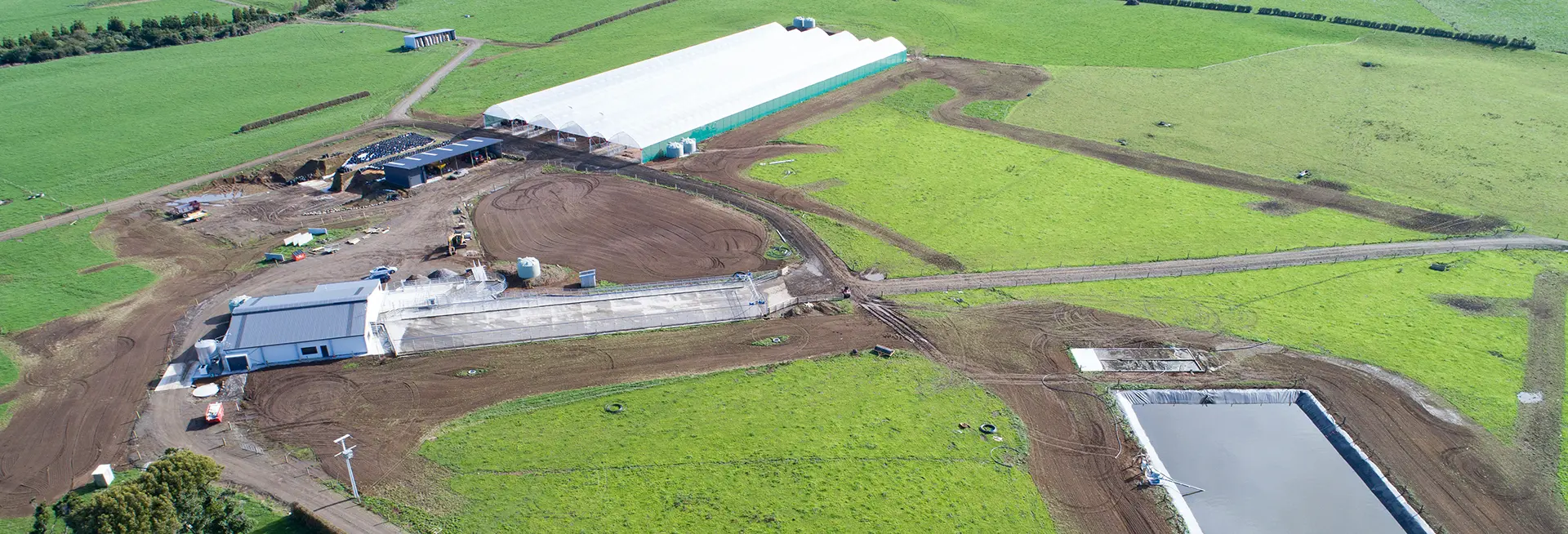
With stricter regulations on the horizon, proactive dairy farmers are future-proofing their effluent systems now. Investing in storage and spreading not only benefits your farm but also helps cut back on synthetic fertilisers while improving pasture health.
There’s never been a better time to future-proof your effluent management system. Let’s face it, changes are coming, restrictions are tightening, and resistance is futile when it comes to council compliance – so why wait for your discharge consent to expire?

Proactive dairy farmers are making changes now, and benefiting from it…

Yes there really are benefits to investing in storing and spreading your effluent. In fact, we can literally say the grass is greener in choosing to do it. Effluent is a natural, free resource that does wonders for fertilising crops and pasture – so why not make the most of it? It means you’ll cut back on synthetic fertilisers, and it can be great for irrigation during dry spells. It’s safe to say the investment will more than pay off.
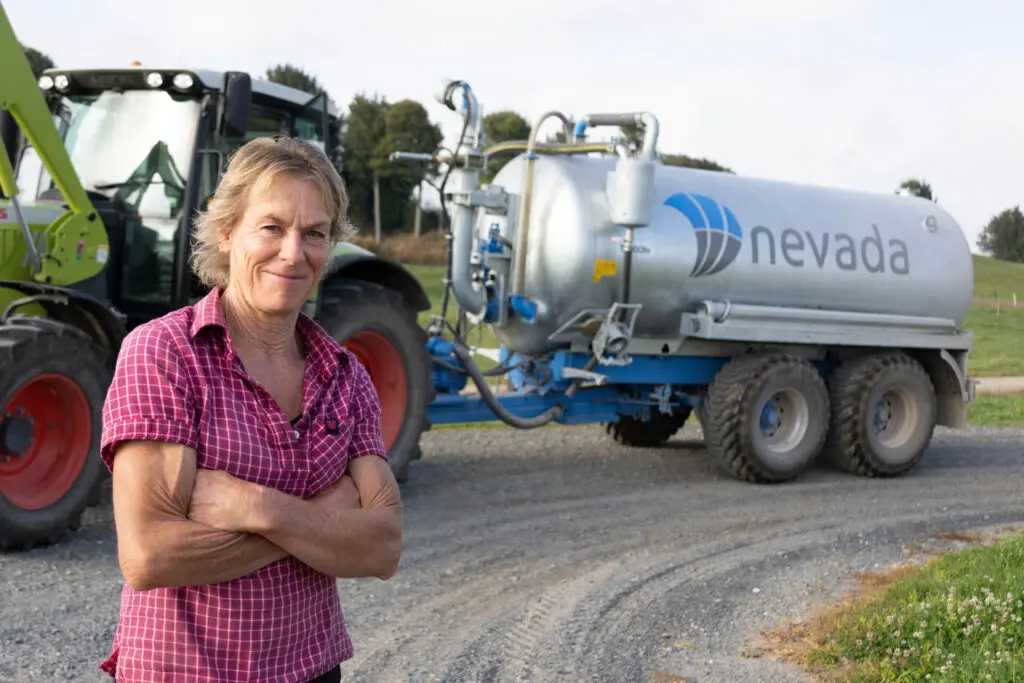
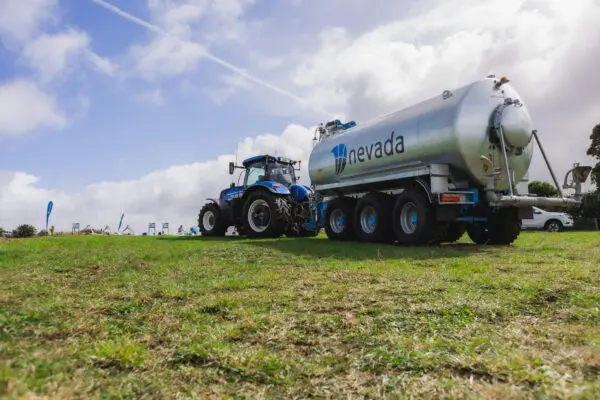
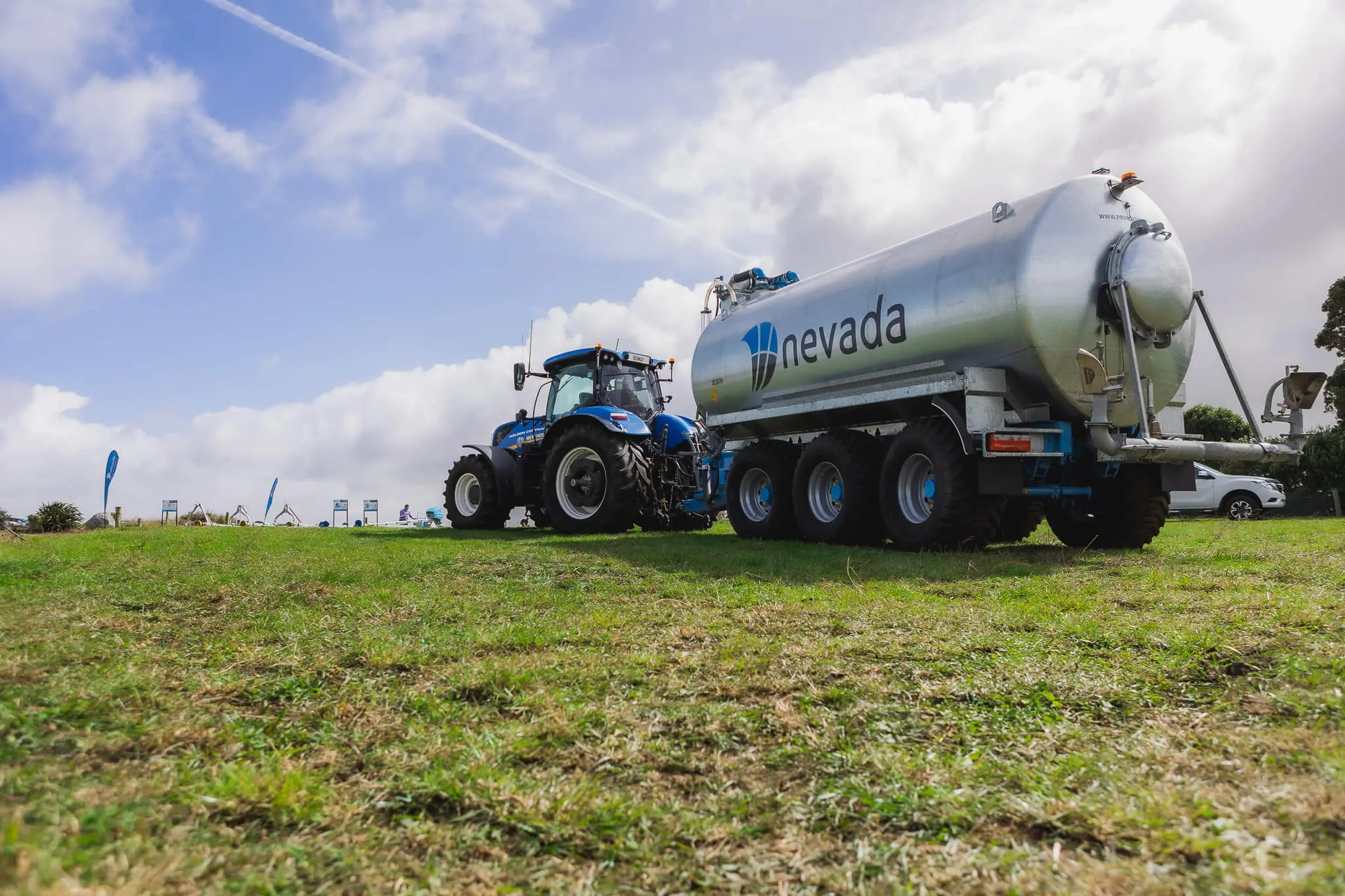
Liz a proactive dairy farmer standing proudly infront of her 12,800L Nevada Tandem Slurry Tanker
Proactive Dairy Farmers Benefit from Looming Changes 2

Why act now?

As they say, the best time is yesterday, and the next best time is today. Manufacturing prices are always rising, meaning the cost of machinery and infrastructure is likely to rise in the near future. Also, although many farmers have consents that still have a few years left, it’s inevitable the rules around discharging will tighten and it will continue to become more difficult to comply. On the positive side, not only is acting sooner going to be more cost effective, but the sooner you act, the sooner you can reap the rewards and become a proactive dairy farmer.

Make a plan

If you’re a proactive dairy farmer and are ready to start making some positive changes, the best place to start is with a plan. Start by talking to effluent management specialists about your farm and how it operates. They’ll be able to advise on a council compliant, futureproof solution that will work with the unique aspects of your farm (current infrastructure, climate, landscape, labour available etc). Don’t hold back – act now!


More Blogs

Getting the most out of your effluent system starts long before spreading. Correct stirrer placement plays a major role in how well solids are broken down, nutrients are suspended, and the slurry remains consistent. If a stirrer is poorly positioned, even the best equipment can struggle to deliver reliable results.
A slurry tanker is a long-term investment, so getting the fundamentals right matters. This guide outlines three non-negotiables to look for, including corrosion-resistant galvanised steel, a full chassis for larger tankers, and an applicator that delivers a consistent, even spread to support compliance and long-term performance.
Choosing the right effluent storage option can make a big difference to your farm’s setup and council compliance. In this blog, we break down the different types of storage, pond liners, and what will work most effectively depending on your land, water table, and farm layout.

Subscribe to our Newsletter