Reduce Fertiliser Costs and Utilise What you’ve Got…

Here’s some of the ways farmers can really utilise their effluent and cut down on the need for synthetic ferts…
Effluent is becoming a hot commodity when it comes to farm fertilisation. The rising cost of synthetic fertilisers has highlighted the value of recycling the free nutrients being naturally produced on farm, and more and more farmers are racing to invest in effluent equipment that allows them to make the most of it. Here’s some of the ways farmers can really utilise their effluent and cut down on the need for synthetic ferts…

Here’s some of the ways farmers can really utilise their effluent and reduce fertiliser costs…

Expand your reach

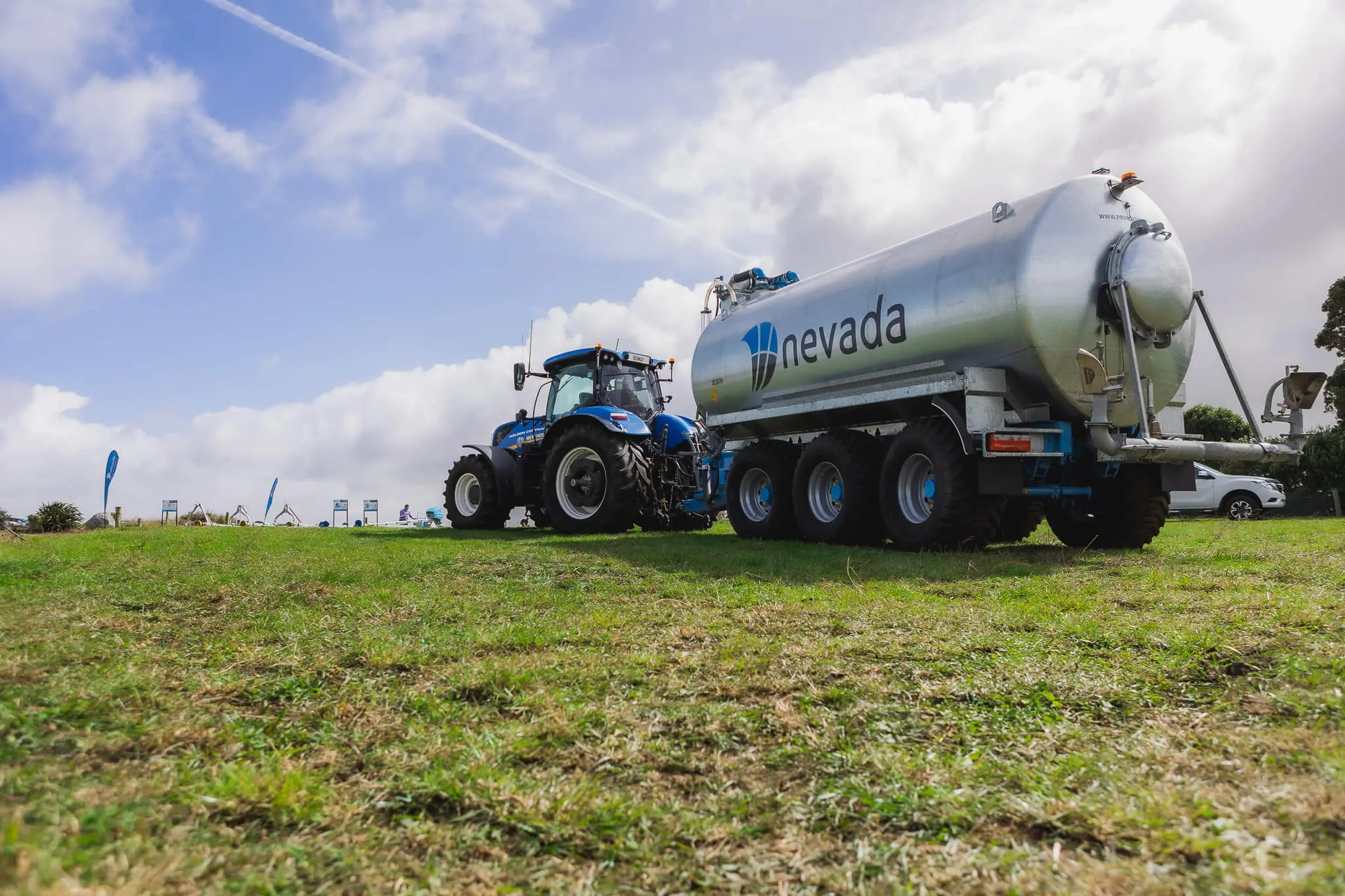
Slurry tankers and drag hose systems are rising in popularity for farmers wanting to cart their effluent over the entire farm.

But the benefits reach further than that…

Slurry tankers and drag hose systems fitted with low pressure applicators like a RainWaveTM have reduced volitisation and wind drift compared with most irrigators, and they also allow for better control over where the effluent is spread. This means more of the effluent is making it to the ground for nutrient absorption, and you’re able to spread into irregular shaped paddocks and closer to waterways than the typical irrigation system would allow.
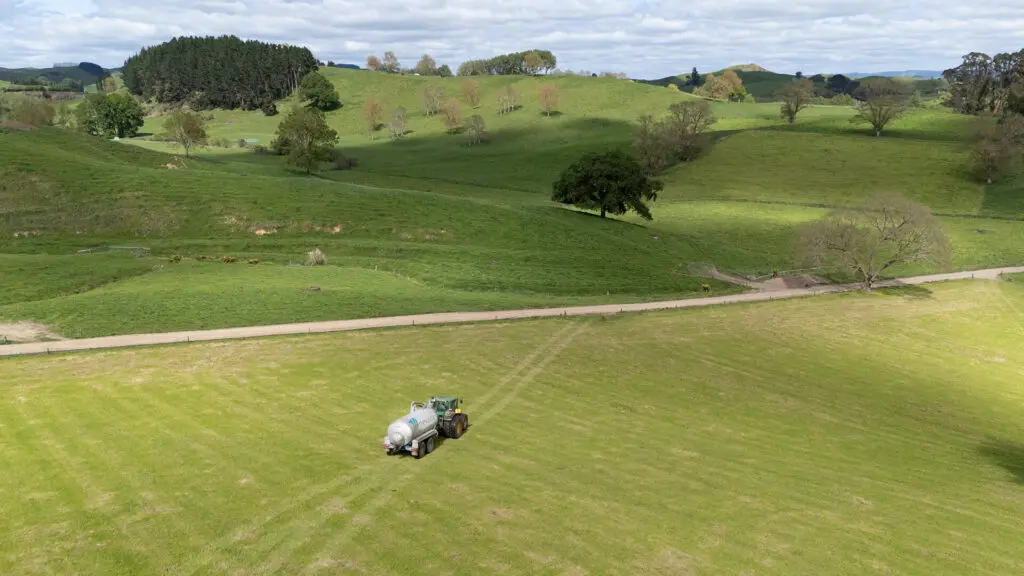
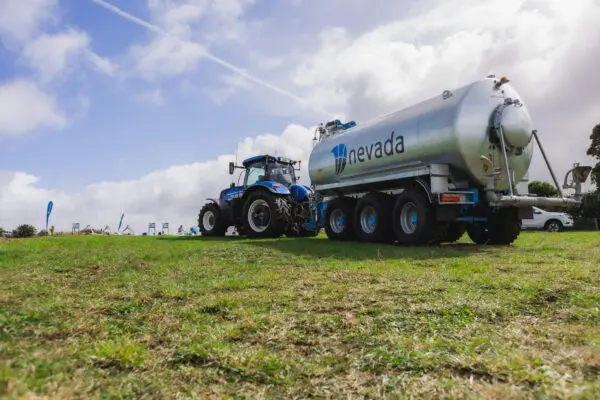
Nevada 12800L Tandem Slurry Tanker spreading all over the farm to reduce fertiliser costs
Reduce Fertiliser Costs and Utilise What you’ve Got… 2
Play

Utilise your feed and reduce fertiliser costs

If you’re needing to buy feed for your cows, this can add to the nutrient value of the effluent produced. Rather than nutrients solely being recycled from grass to cow, any additional feed will be providing beneficial outside nutrients back into the system. This all works towards reducing yoru fertiliser costs.

Read more on the benefits of spreading effluent here… or chat to one of our experts about how to reduce your fertiliser costs.

More Blogs

Getting the most out of your effluent system starts long before spreading. Correct stirrer placement plays a major role in how well solids are broken down, nutrients are suspended, and the slurry remains consistent. If a stirrer is poorly positioned, even the best equipment can struggle to deliver reliable results.
A slurry tanker is a long-term investment, so getting the fundamentals right matters. This guide outlines three non-negotiables to look for, including corrosion-resistant galvanised steel, a full chassis for larger tankers, and an applicator that delivers a consistent, even spread to support compliance and long-term performance.
Choosing the right effluent storage option can make a big difference to your farm’s setup and council compliance. In this blog, we break down the different types of storage, pond liners, and what will work most effectively depending on your land, water table, and farm layout.

Subscribe to our Newsletter