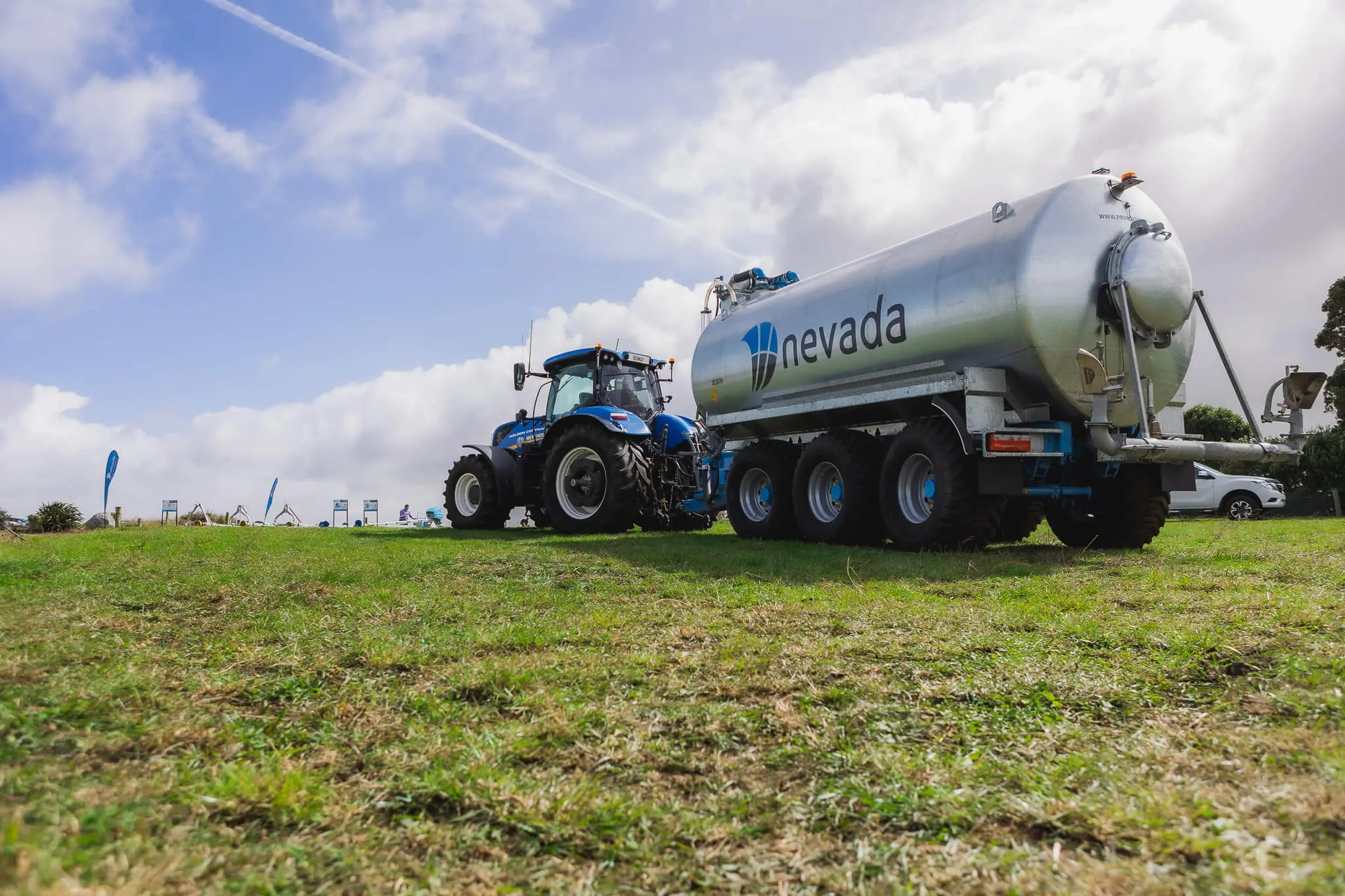
In most instances, bigger really is better. Don’t be too conservative. Go for a bigger tanker that fits within your requirements. When we’re asked to recommend a tanker size there’s four areas of the farming operation we look at…
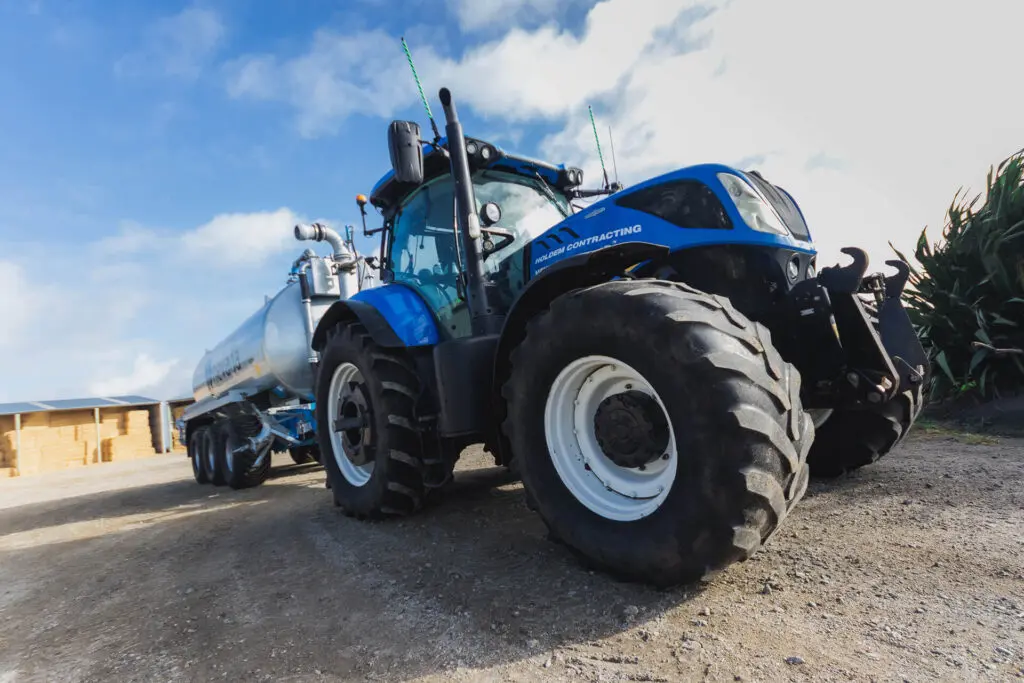
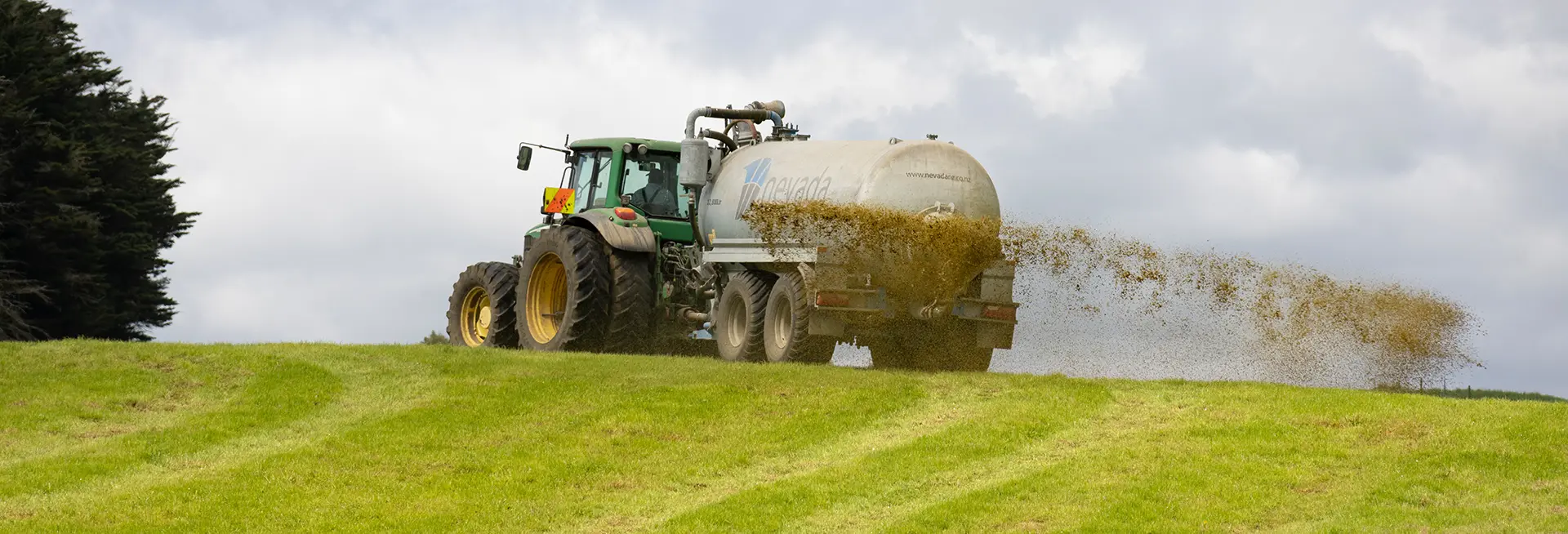
Your tractor size will determine how much is safe to pull. As a rule of thumb, you should be able to handle 100L per HP (ie. an 80HP tractor should be able to handle an 8,000L slurry tanker). This is just a general rule, and other considerations such as topography and the type of braking axles on the tanker may need to be factored in. It is always best to check with the slurry tanker supplier for their recommendations.

If you have a hilly landscape, safety and the risk of rollover need to be considered. As liquid moves from side to side, stability becomes additionally important as do the brakes! If gravity is not on your side, you may want to consider a slightly smaller size, or try a Drag Hose System. However if your land is mainly flat, going the next size up may be a better option.
Smaller farms tend to have narrower races and gateways which can limit the size of the tanker you can pull through. Driving skill and good steering axles can make this less of an issue, but for many farmers it is something to be considered. After all, one of the benefits of having a slurry tanker is the low skill requirement meaning you can hand the job off to almost anyone who can drive a tractor, however if it’s difficult to manoeuvre around the farm there may be less volunteers for the job!
Of course it’s not just the tracks and gateways to be considered. Your farm size, the amount of storage and quantity of effluent to be shifted are all very important. In terms of both labour and cost efficiency, the less trips you need to make the better.
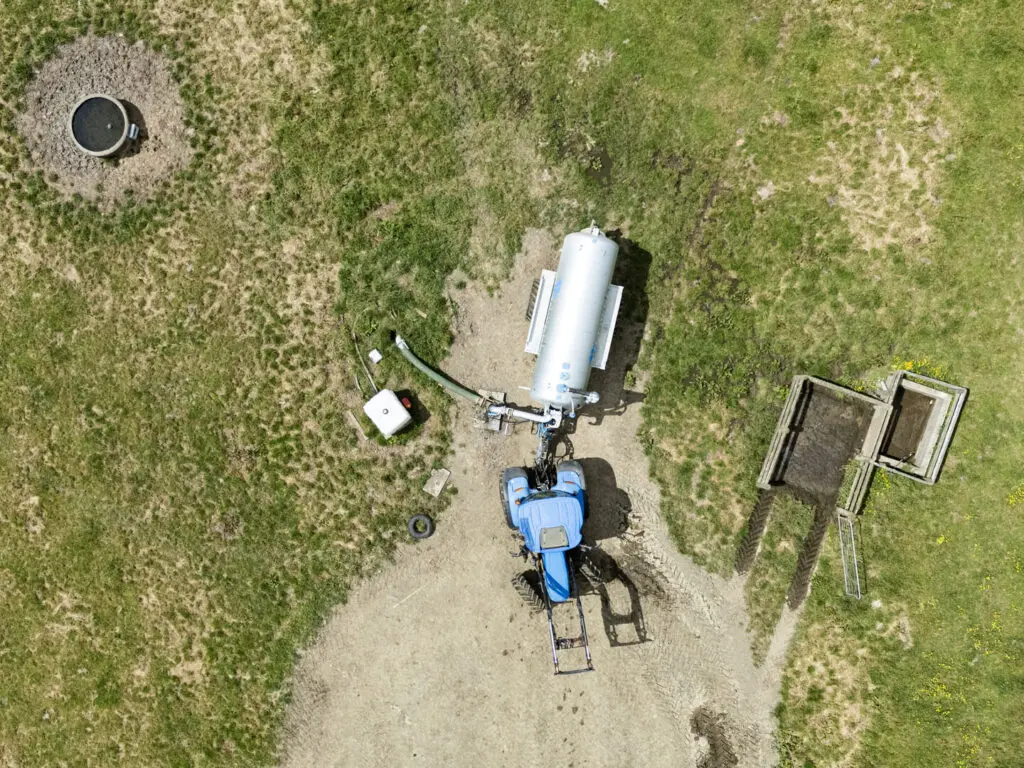
[TIP: If a slurry tanker is your main form of spreading, try to limit the amount of excess water entering your effluent storage. Don’t use more water than needed to hose down the milking shed, and invest in a storm water diverter in areas with a lot of rain. This means you’ll have a higher concentration of slurry for spreading more nutrients per load.]
While the investment cost is important, it’s more important to first determine the size tanker you really need to make the most of the investment. Getting the right size can end up saving you time and money, where getting something too small can end up costing more in labour and maintenance. More loads = more time + higher wear and tear. It should also be noted that the running costs of a slurry tanker are generally about the same regardless of size. Chat to our team today to find out more!
"*" indicates required fields
"*" indicates required fields
"*" indicates required fields
"*" indicates required fields