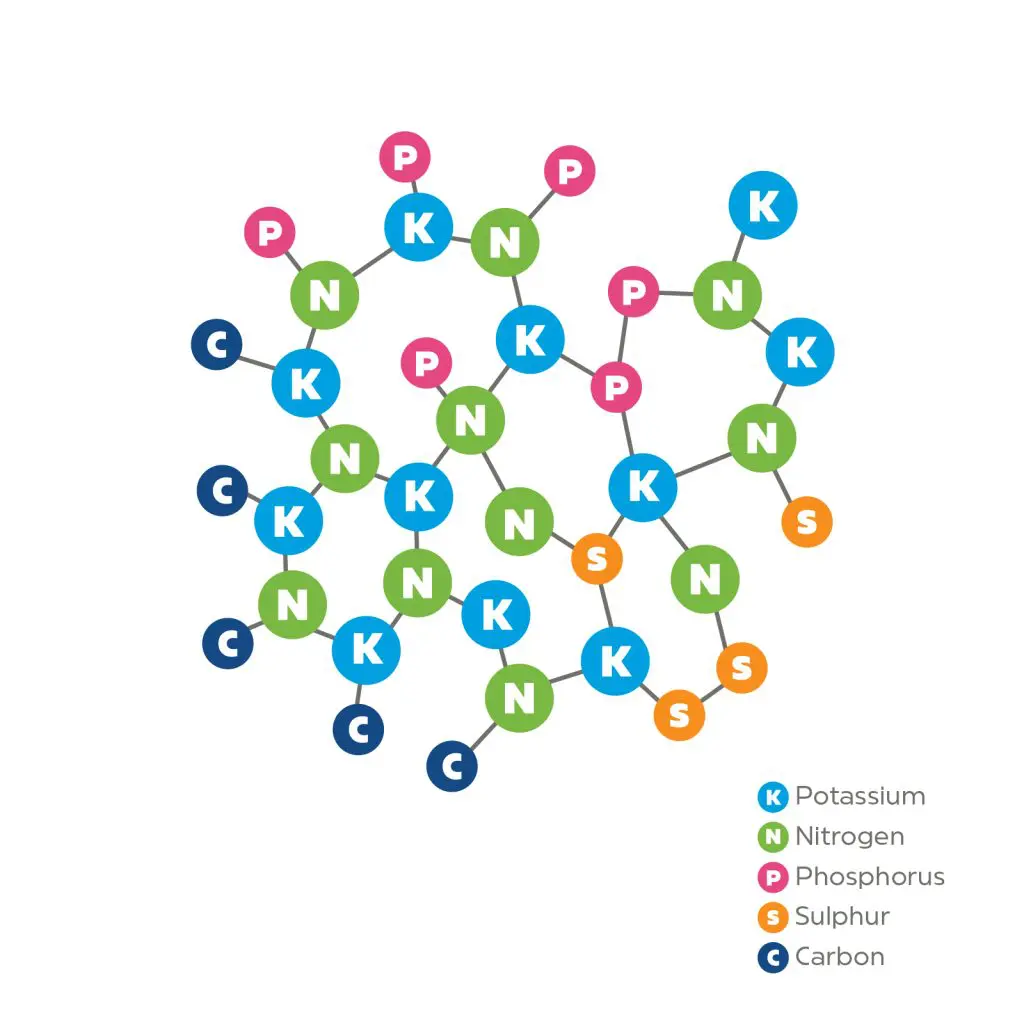
There is a lot of focus on the nutrient value of effluent. This is easily measured, so is the value most frequently discussed. Although it varies from farm to farm, depending on the feed system, rainfall, herd size and management practices… a typical average is around 5kg Nitrogen, 1kg Phosphorous and 5Kg of Potassium. There is also some sulphur and other trace elements.
The real value of effluent compared to synthetic fertiliser is the effect on soil biology. Boosting soil microbes improves the cation exchange capacity of the soil, making nutrients available for crop needs over a longer period.
Synthetic fertiliser on the other hand is harmful to the soil biology and reduces the soils ability to retain nutrients.
Nitrogen fixing bacteria such as those associated with clover roots convert atmospheric nitrogen into a plant-available form. Considering the atmosphere is 78% nitrogen it makes sense to use it. Feed the soil and let the soil feed your crops.
The irrigation value of effluent should not be overlooked, particularly if you don’t have any other form of irrigation. Effluent applied to help a crop get established or save a few paddocks in a dry spell is worth thousands.
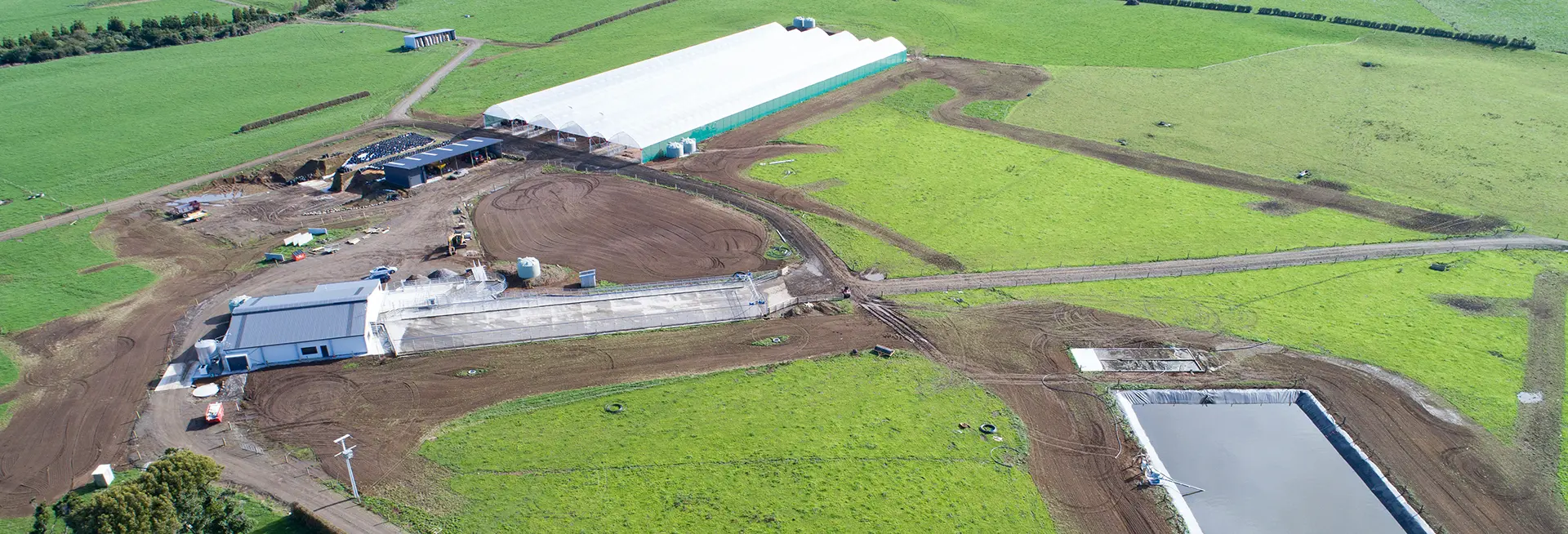
To maximise the irrigation value from effluent we recommend plenty of storage.
We have a few tips to share around nitrogen enrichment and the value of effluent. Give us a call and we’d be happy to discuss the needs of your particular farm.


"*" indicates required fields
"*" indicates required fields
"*" indicates required fields
"*" indicates required fields