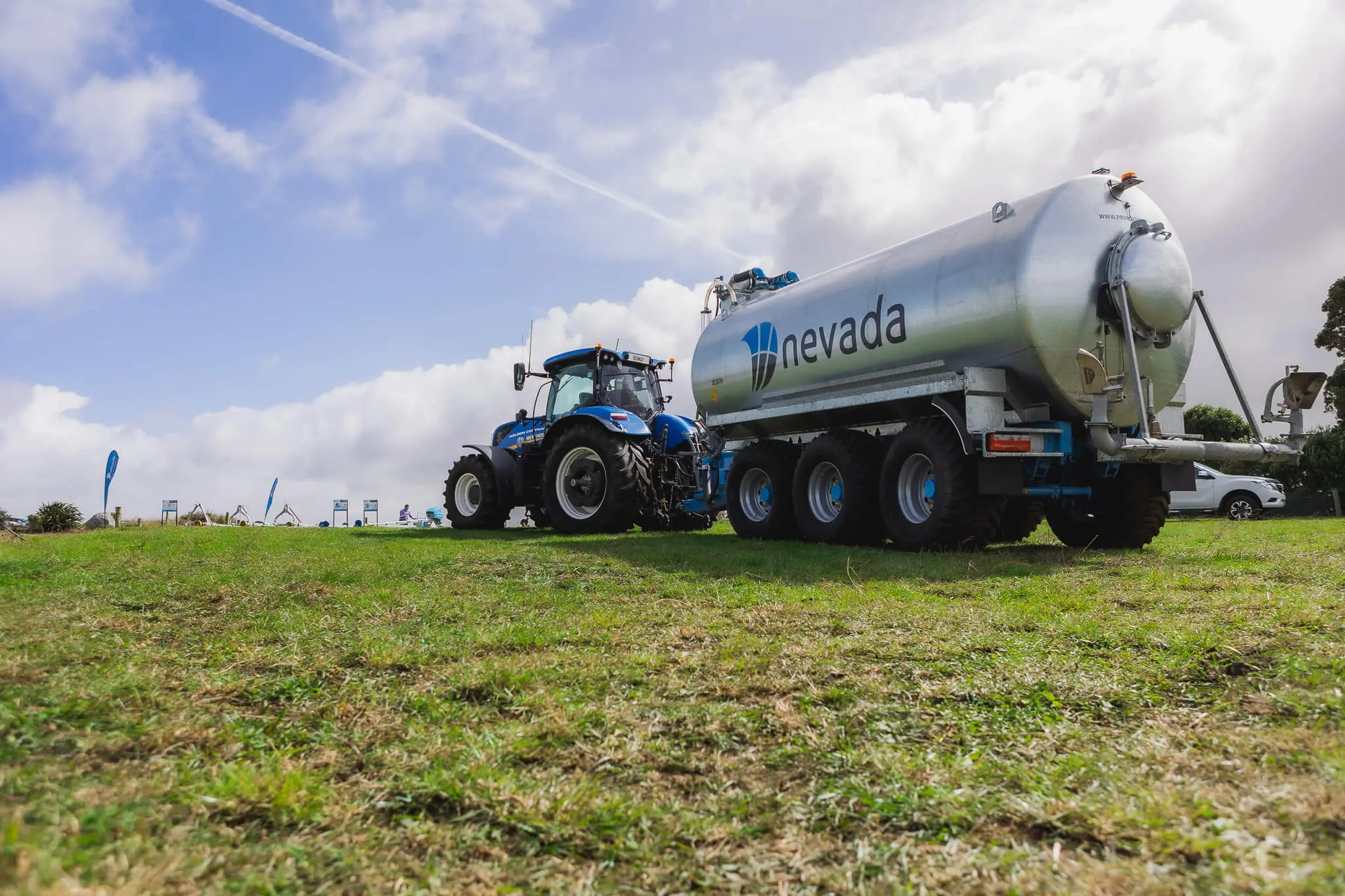
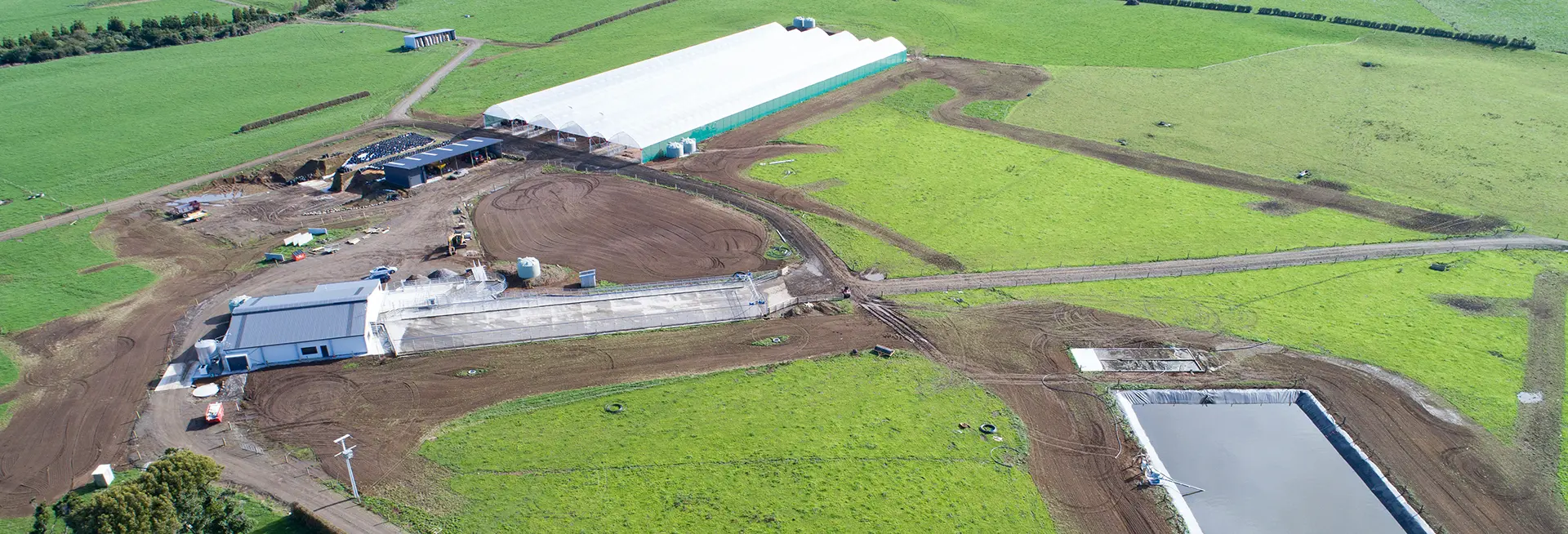
Overall farms are getting bigger, or many farmers are owning multiple farms in proximity. With a larger area to spread over, irrigation systems are inadequate for the entire farm. A larger slurry tanker therefore becomes the obvious choice for farmers to reach further – even taking effluent down to the run-off to spread over maize blocks.
Many farmers with irrigation systems already in place initially purchase a slurry tanker just to reach paddocks further away. Once they have the slurry tanker they soon see just how useful it is, and easy, so the irrigation system gets used less and less.
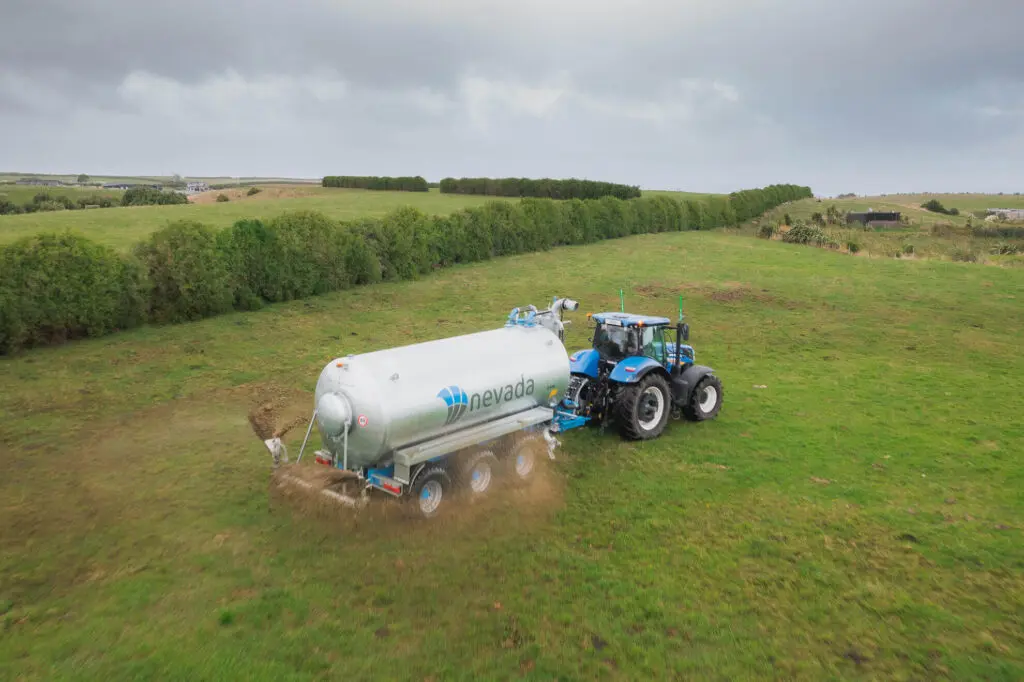
With larger farms it inevitably becomes more efficient to have a larger tractor to handle various jobs. Having a larger tractor not only enables farmers to pull a larger slurry tanker, but a larger slurry provides the efficiency of less loads to spread further, and therefore less work for the tractor.
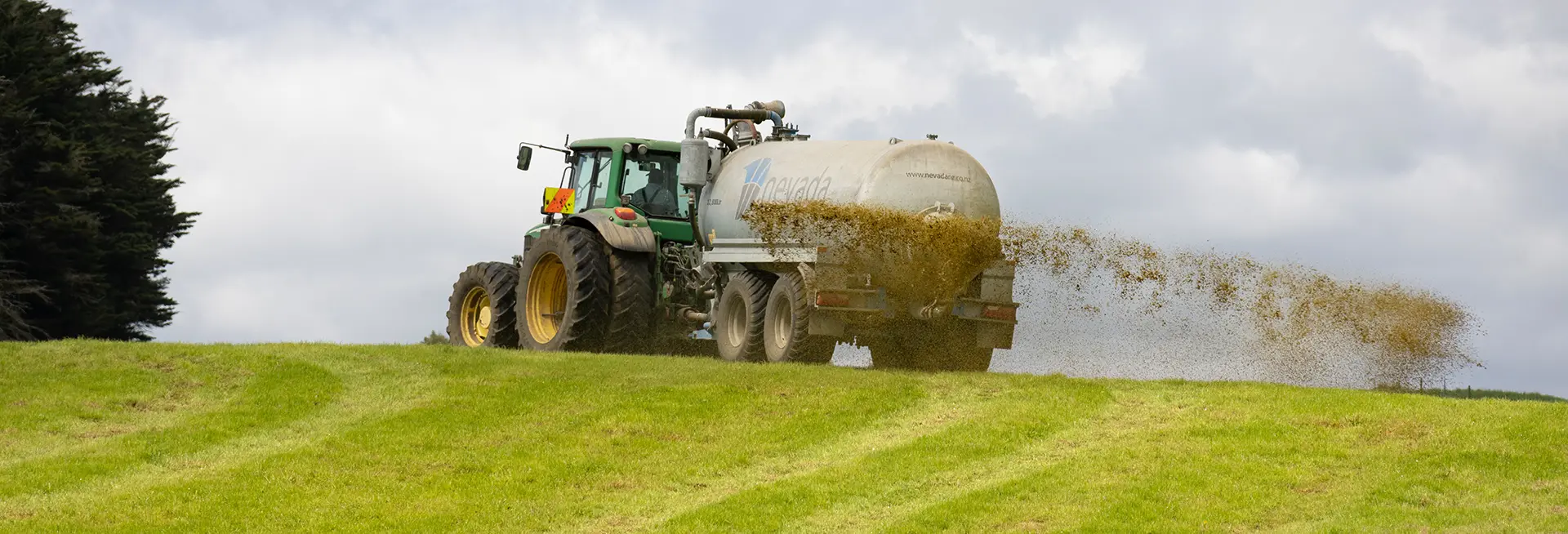
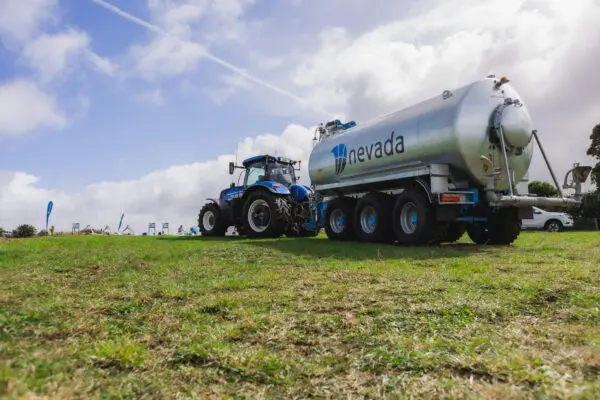
Nevada slurry tankers are designed for safety and reliability, and many farmers are surprised at just how easy the larger tankers are to tow, commenting they’ve had smaller slurry tankers that were less stable and harder to manoeuvre. Nevada triple axle slurry tankers are not any more difficult to operate than smaller slurry tankers.
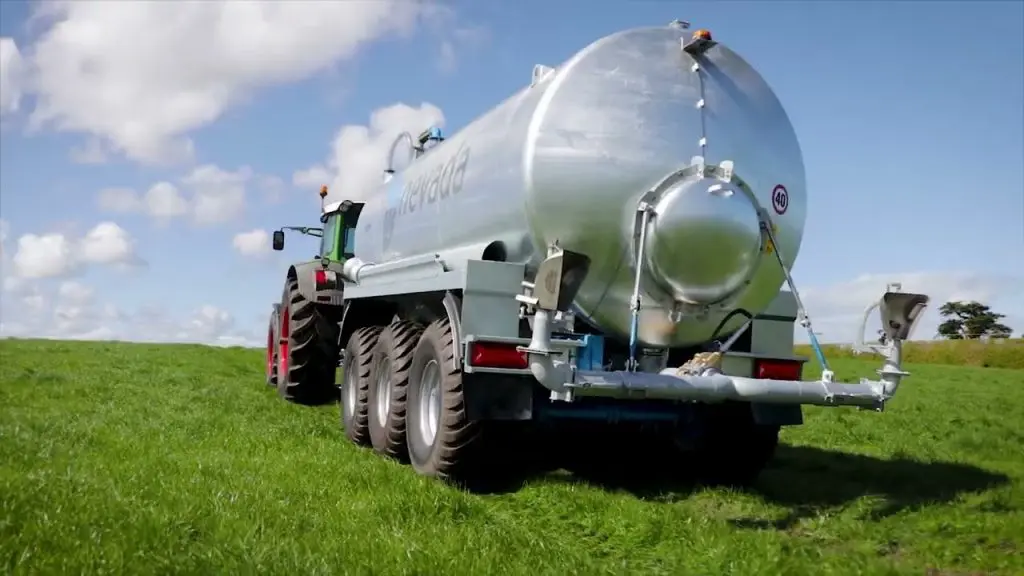
In terms of speed, a Nevada triple axle slurry tanker can do a similar number of loads per hour but is twice the size. They have a higher capacity pump to speed up loading and can also be fitted with a loading accelerator to further speed up the loading process. Duo RainWaveTM applicators also make emptying the slurry tanker fast and efficient.
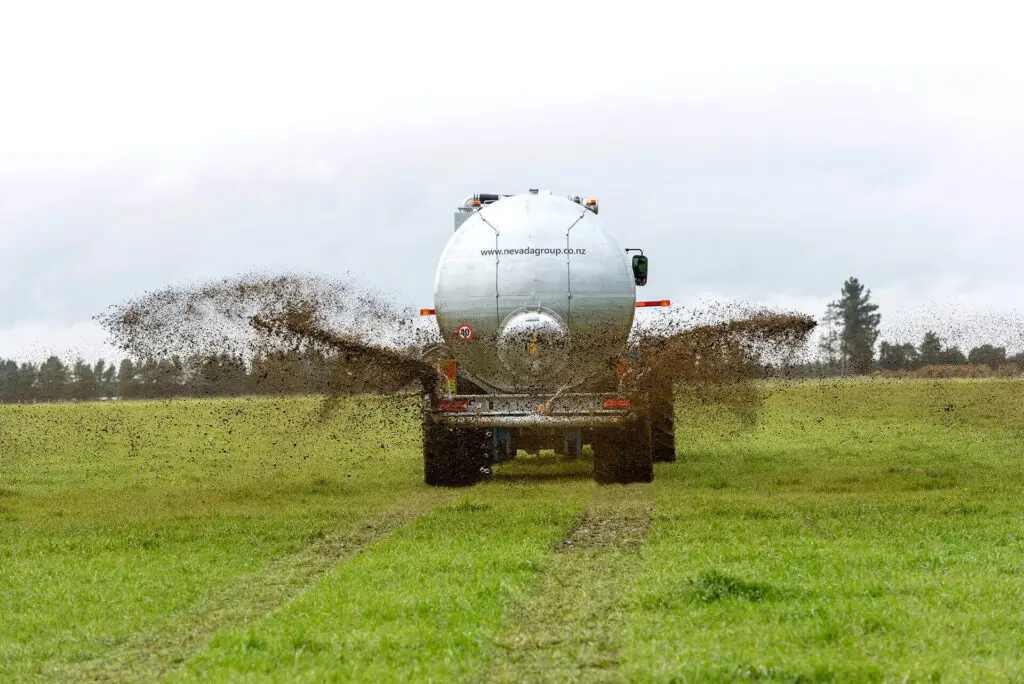
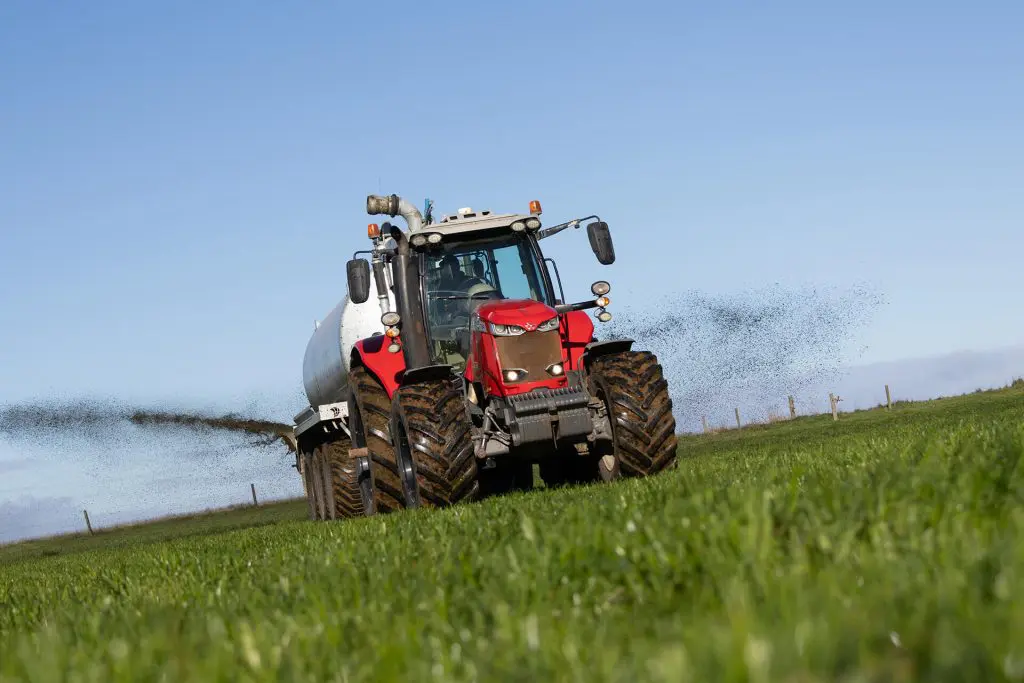
Where weight and ground compaction are of concern – what holds a lot, holds a little! You certainly don’t need to fill the tanker during times where the ground is wet, but the larger size provides the ability to load her up when the ground needs it most.
Larger Nevada slurry tankers have more axles combined with flotation wheels to provide a better weight distribution over the machine. Because the weight is spread over a larger area, there is less ground compaction. What’s more, carrying more means less loads, so less ground damage.
Why wait, give us a call today and get into spreading more with a larger slurry tanker!
"*" indicates required fields
"*" indicates required fields
"*" indicates required fields
"*" indicates required fields