How much could you save on fertiliser by making better use of your dairy effluent? For some dairy farmers, the savings are significant. Across New Zealand and Australia, farmers are reducing their reliance on purchased fertiliser by getting more value from the nutrients already on farm.
Yes. Dairy effluent can replace some purchased nitrogen fertiliser, depending on its nutrient content and what your pasture needs.
Dairy Australia’s Alternative Fertiliser Considerations identifies dairy effluent as a potential alternative nitrogen source. But its value goes beyond nitrogen, supplying phosphorus, potassium and organic matter too.
DairyNZ also highlights the potential fertiliser savings from applying effluent at the right rate, at the right time and in suitable soil conditions.
Here’s what two dairy farms using Nevada effluent equipment have achieved.
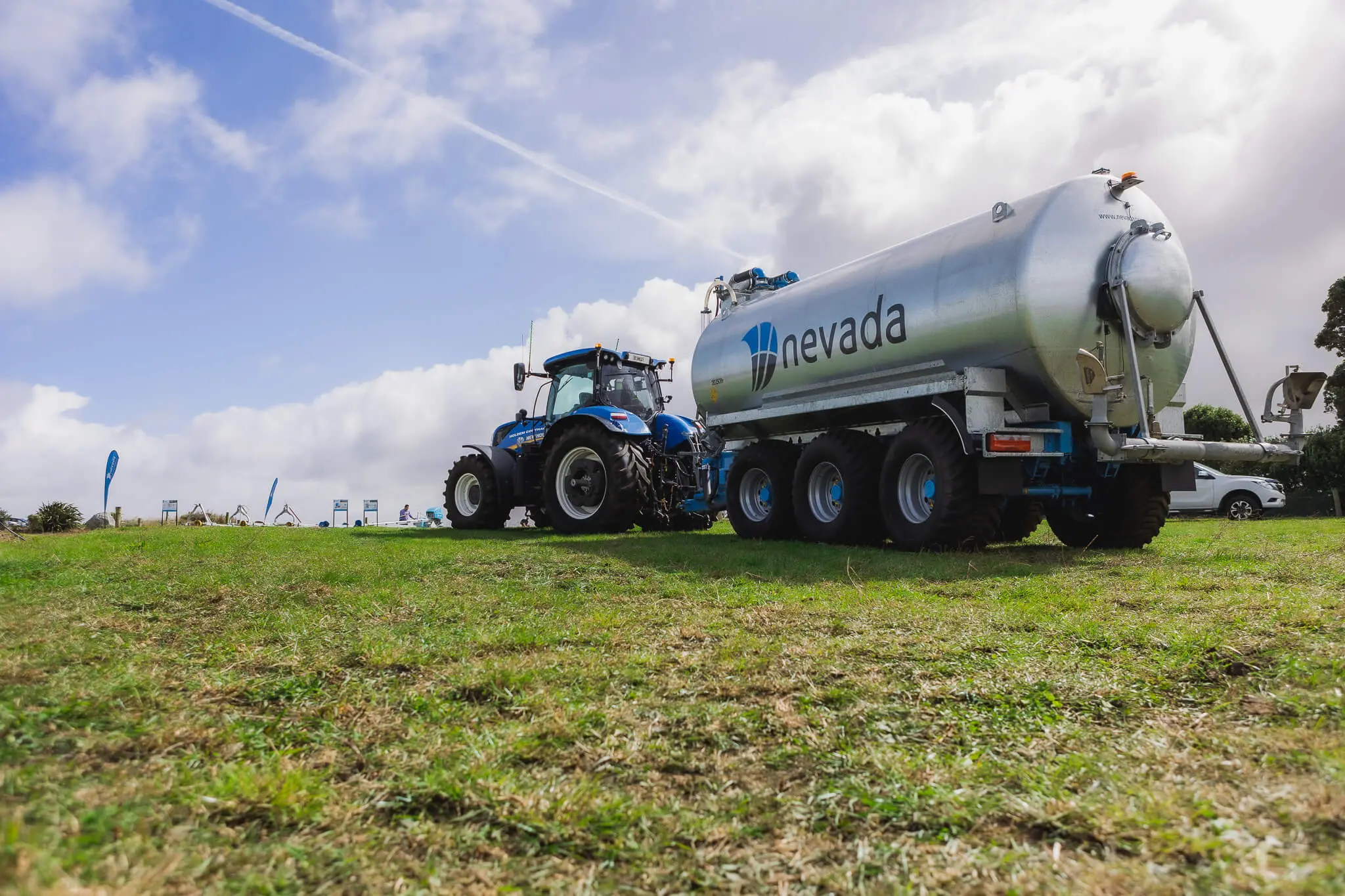
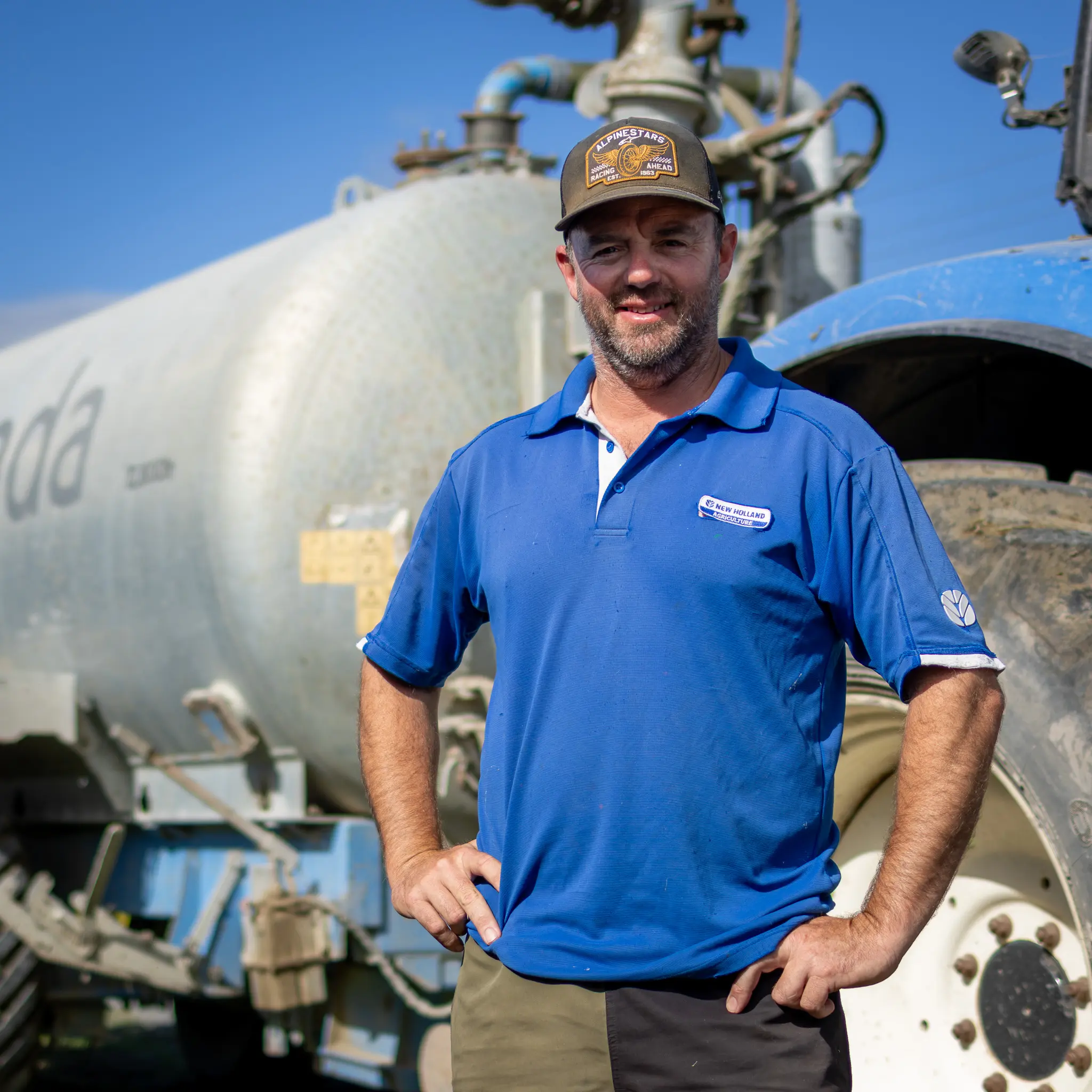
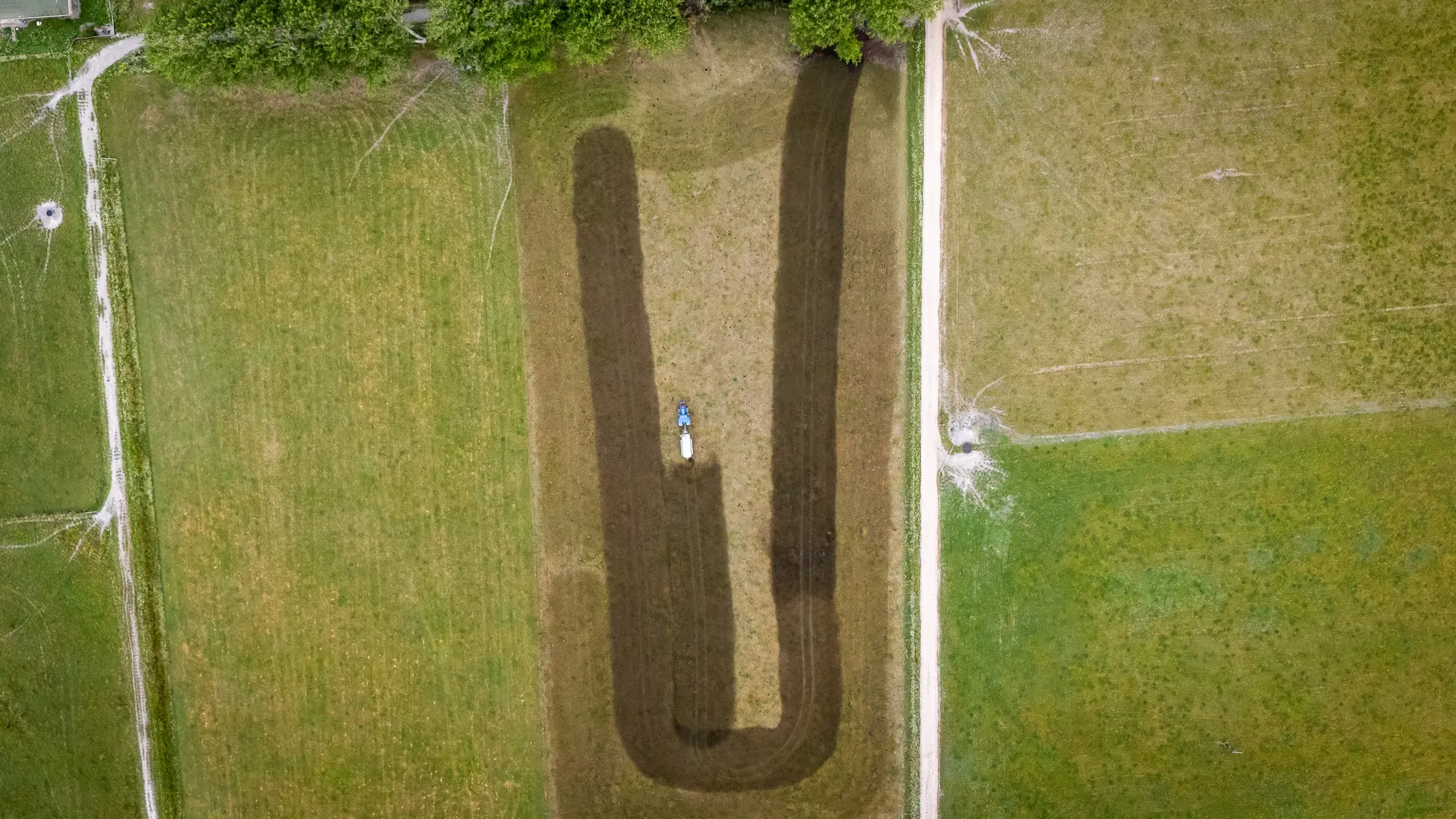
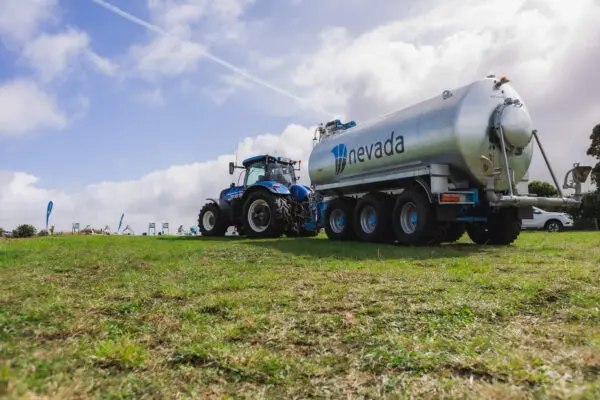
In Northland, New Zealand, Logan Hewlett increased his effluent coverage from 25% to 75% of the farm using a Nevada slurry tanker and electric stirrer.
Logan says he’s now spreading around 15–20 tonnes less urea per season, estimating that his tanker is saving approximately NZ$20,000 a year based on fertiliser prices at the time of his interview.
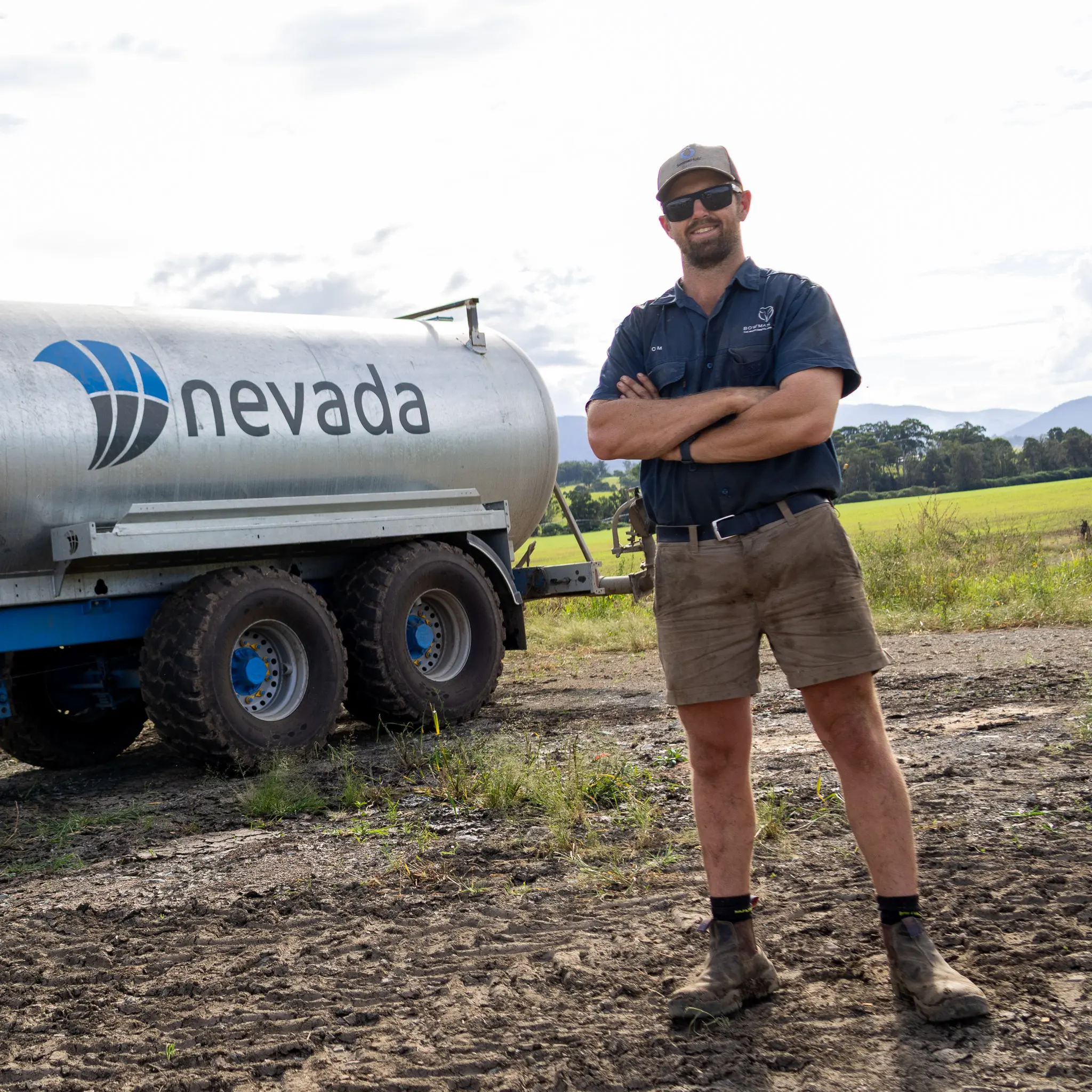
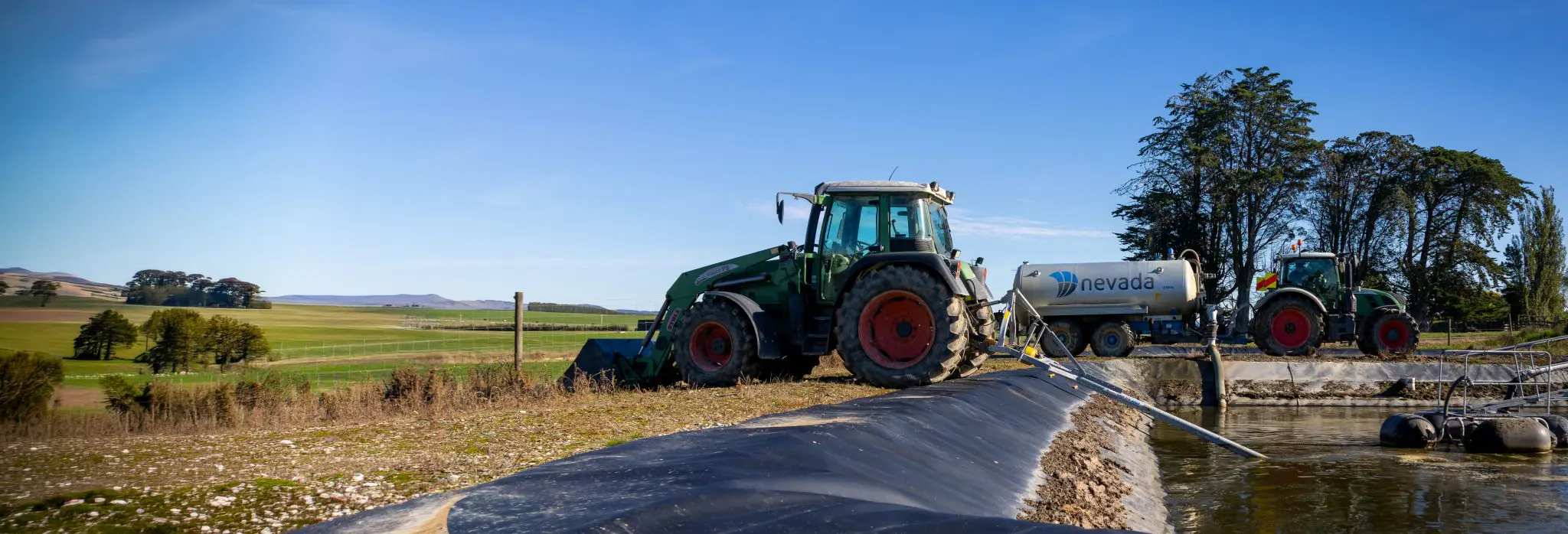
Meanwhile, at Bowman Farm in NSW, Australia, Tom Middlebrook expanded his effluent coverage from around 20 to 200 hectares using a Nevada slurry tanker and PTO pond stirrer.
In 2025, Tom reported saving approximately A$18,000 in purchased nitrogen costs in his first two months using the equipment.
These are individual farmer-reported results, but they show the potential value of making better use of dairy effluent.
The opportunity is to get those valuable nutrients working across more suitable paddocks.
Soil and effluent testing can help determine how much purchased fertiliser you might replace. Appropriate application rates, soil conditions, potassium management, animal health precautions and grazing withholding periods also matter.
The bottom line? Before spending more on urea or other fertilisers, find out what your dairy effluent is already giving you.
Logan Hewlett – Northland, New Zealand
Tom Middlebrook – NSW, Australia
"*" indicates required fields
"*" indicates required fields
"*" indicates required fields
"*" indicates required fields