How to Spread More Effectively with your Slurry Tanker

Not only does the Nevada RainWave™ maximise use of the available nutrients, it’s also fast spreading at 1mm depth at safe speeds of 7km/hour.
Loads of farmers want a slurry tanker to be able to spread further than their travelling irrigators allow, but the thing holding them back is the misconception a slurry tanker will take up too much time.

Not when you have a RainWaveTM 

All Nevada slurry tankers are fitted with RainWaveTM applicators because they provide a superior spread that’s simply not possible with a splash plate, injector unit or trailing shoe.

Our RainWaveTM applicators produce larger liquid droplets which allow for a wider, more controlled and even spread. The larger droplets are less susceptible to wind drift and volitisation meaning more nutrients make it into the soil for plants to drink.
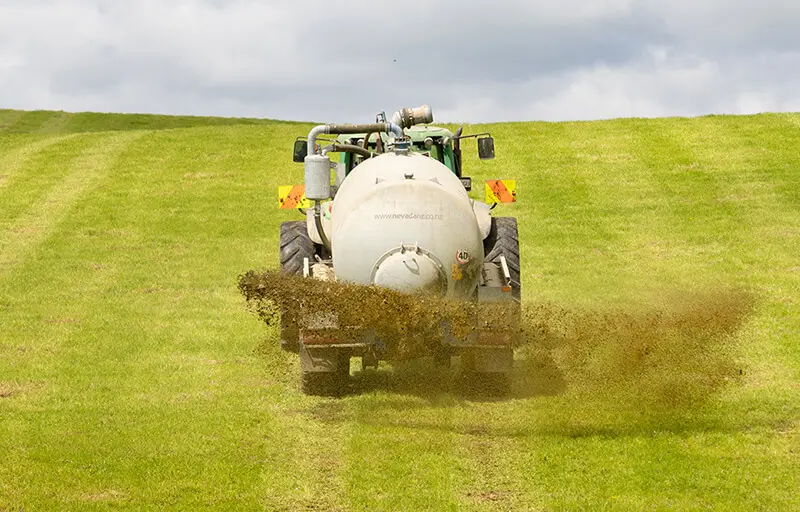
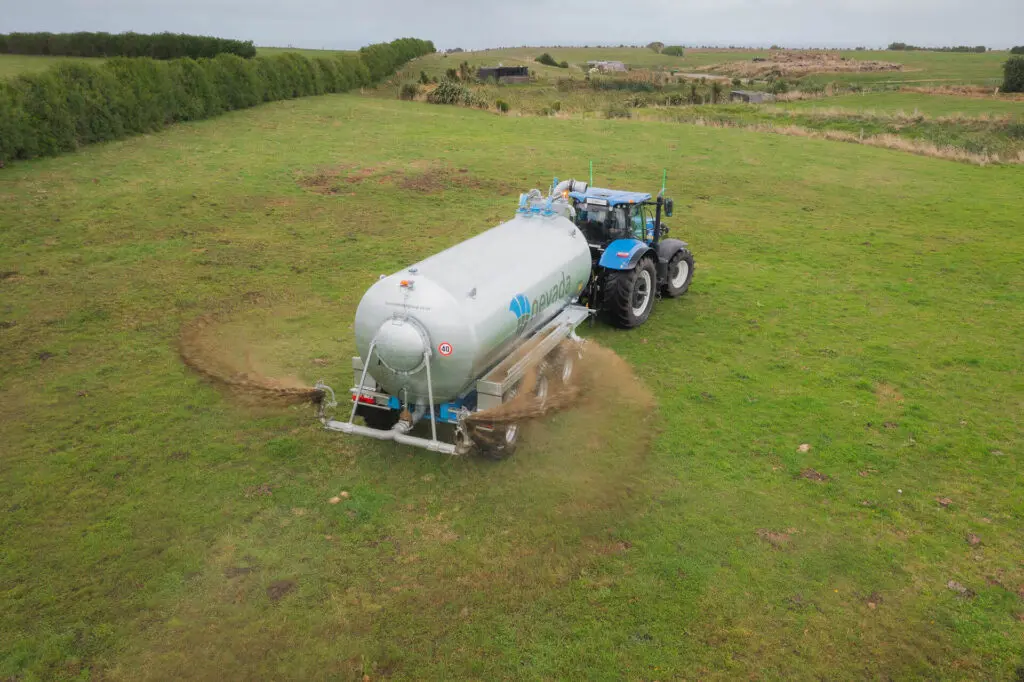
Nevada RainWave spreading effluent accross the paddock
How to Spread More Effectively with your Slurry Tanker 4
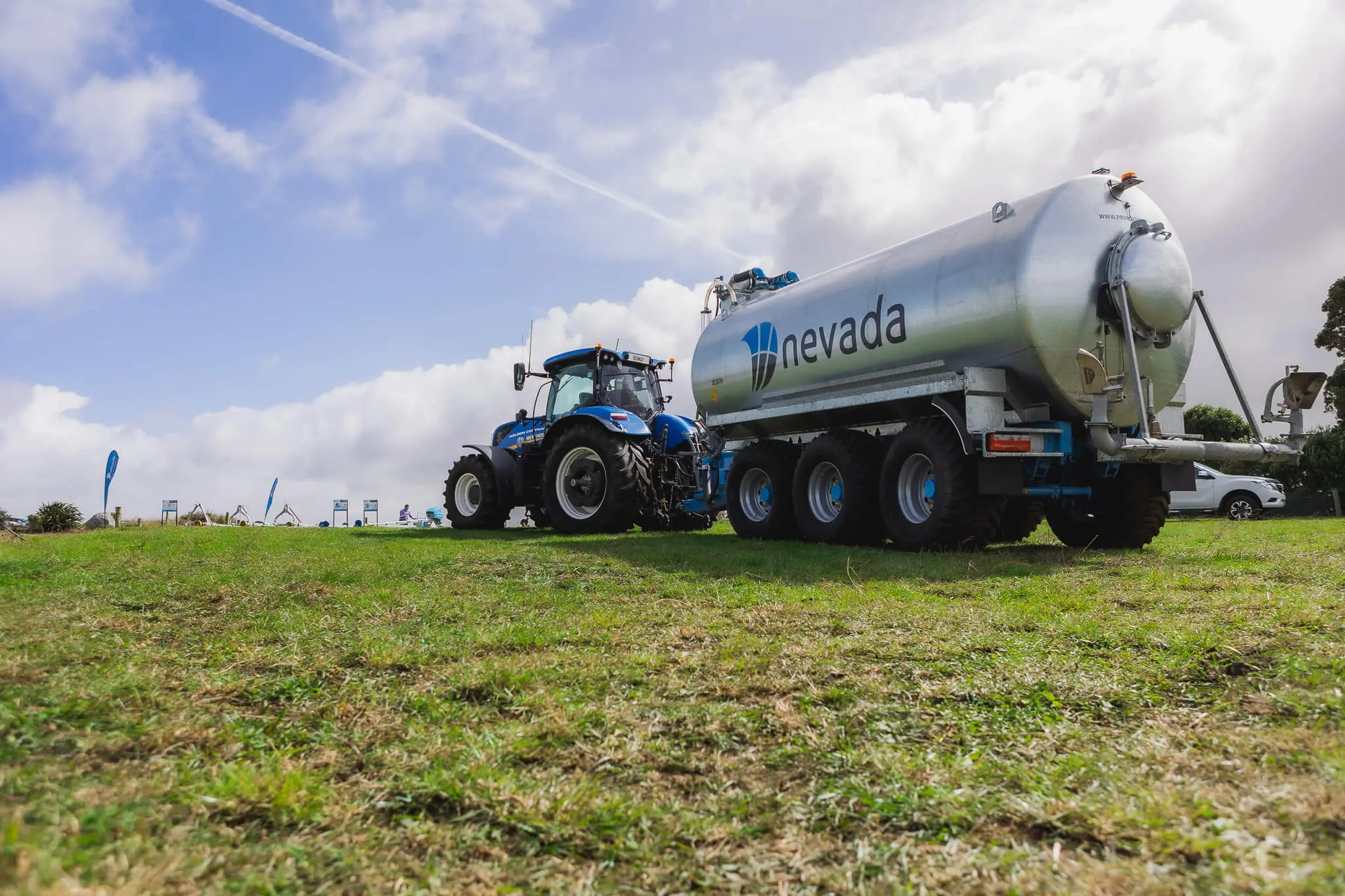
Nevada Triple Axle Slurry Tanker spreading effluent with dual RainWave applicators
How to Spread More Effectively with your Slurry Tanker 5

Duo RainWaveTM

Not only does the RainWaveTM maximise use of the available nutrients, it’s also fast spreading at 1mm depth at safe speeds of 7km/hour. Of course, the amount you can spread depends on the size of your slurry tanker and how many loads you’re taking back and forth. For larger tankers we install a duo RainWaveTM to maximise efficiency on larger loads.

Auto-Fill Easel

If you’re wanting to add additional nutrients to your effluent, our auto-fill easel makes it easy with a valve for the nutrients to be added so you can do two jobs at once! Now that’s efficient!
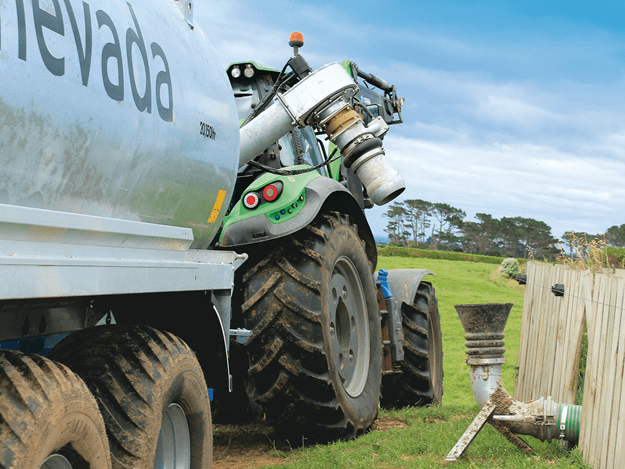
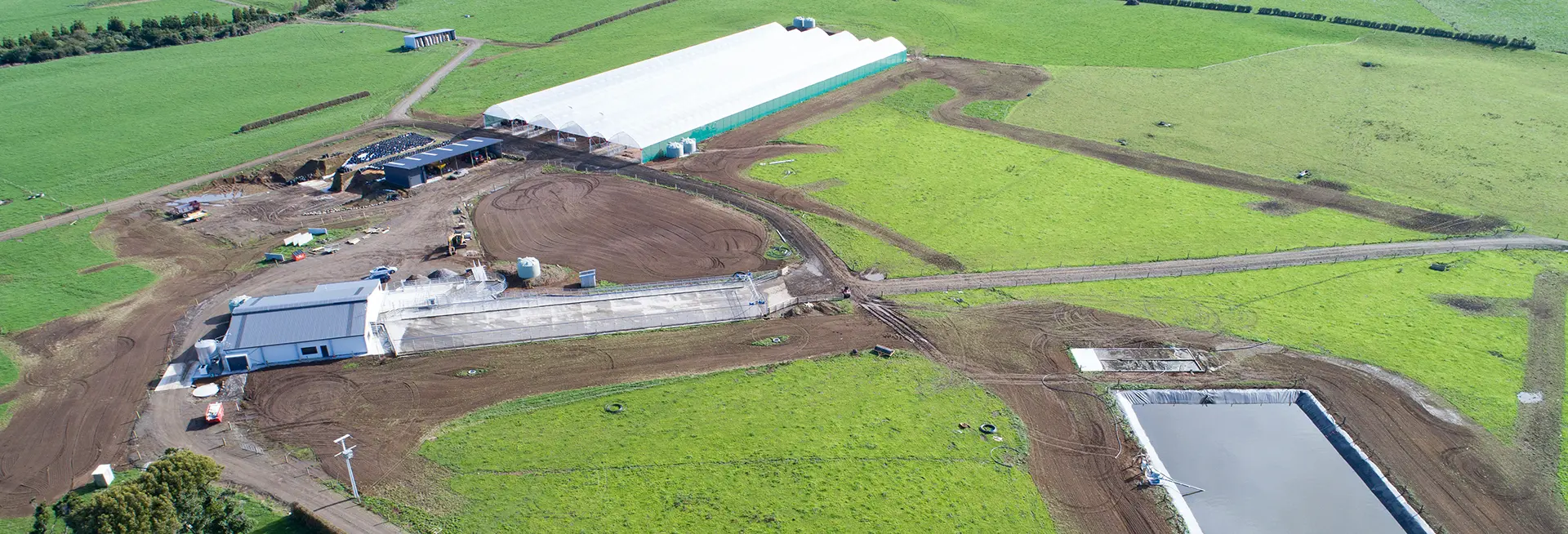
Farm Trader - Nevada Slurry Tanker
How to Spread More Effectively with your Slurry Tanker 6

More Blogs

Choosing the right effluent storage option can make a big difference to your farm’s setup and council compliance. In this blog, we break down the different types of storage, pond liners, and what will work most effectively depending on your land, water table, and farm layout.
Choosing between a single-axle slurry tank, a tandem axle setup, or a triple axle setup depends on your farm’s terrain and workload. This guide explains how different axle configurations impact stability, safety, and performance, helping you choose the right slurry tanker for your specific needs.
Comparing a progressive cavity pump vs centrifugal system helps farmers choose the most efficient setup for effluent management. This guide explains the key differences between these pumps, outlining performance, maintenance, and safety advantages for modern dairy operations.

Subscribe to our Newsletter

Nevada will be taking a well-earned breather from the end of the day on the 23rd of December, and we’ll be back into it on Monday, the 5th of January.
This is default text for notification bar