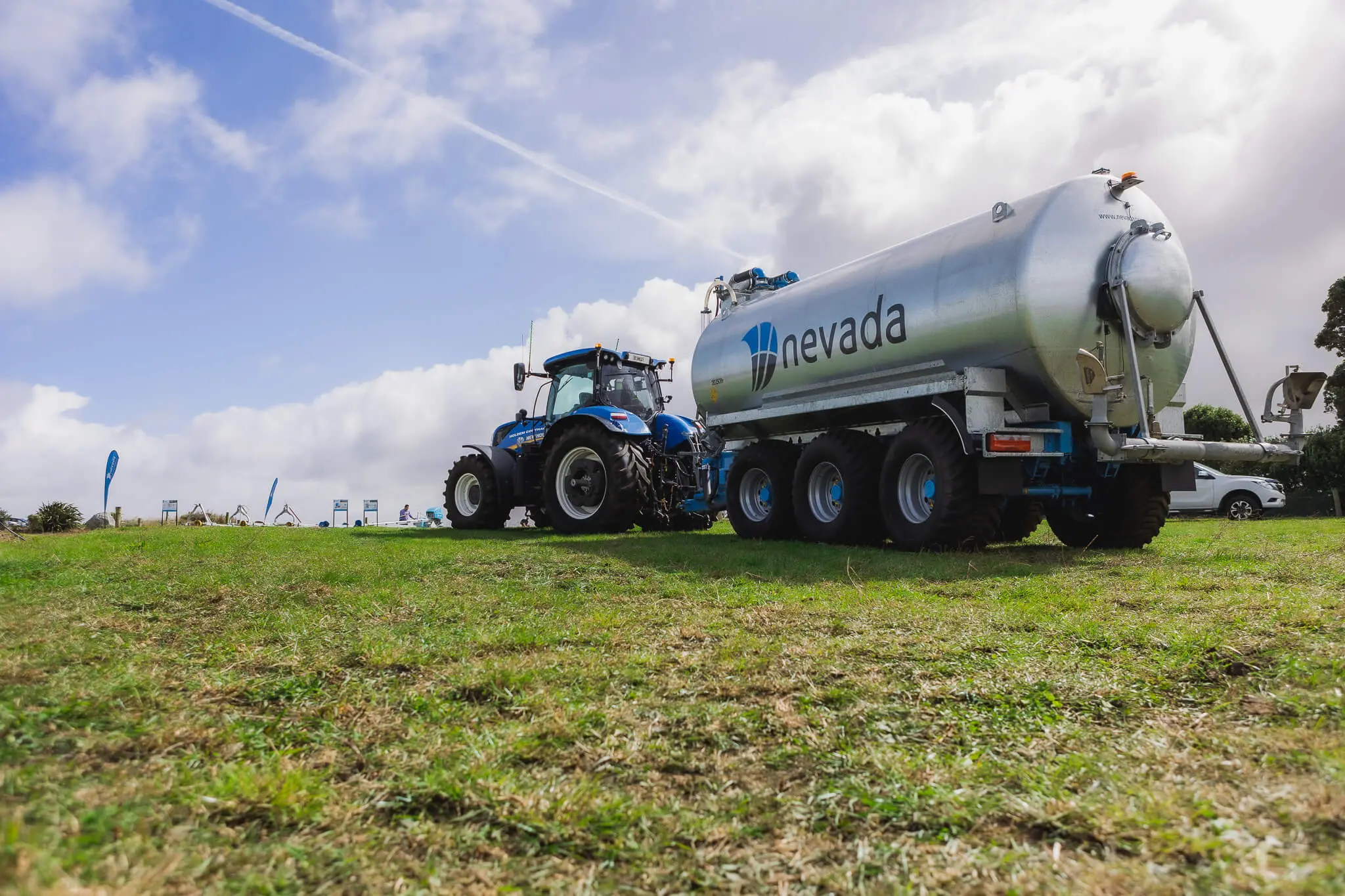
When choosing between single, tandem, or triple axle slurry tankers, it all comes down to size, stability, and terrain. Whether you want easy manoeuvrability or maximum load capacity, selecting the right axle setup makes a significant difference to both performance and safety. For many farmers, deciding between a single unit or a two-axle system is the starting point in understanding how axle configuration affects efficiency and control on the farm.
Slurry tankers are essential to efficient effluent management. The right tanker not only improves productivity but also helps reduce unnecessary wear on machinery, protects paddocks from excessive compaction, and allows nutrients to be transported and applied more efficiently. In this guide, we explore the differences between single, tandem, and triple axle configurations, providing practical insights into which option is best suited to your New Zealand farming operation.
Single axle slurry tankers are ideal for smaller farms or operations working on softer soils. They are easy to turn with minimal scuffing and typically weigh less, making them suitable for lighter loads. For safety, single axles are recommended for slurry tankers with a maximum total loaded weight of around 10 tonnes. Heavier weights place additional pressure on the axle and tyres, creating unnecessary stress on the system.
With only one axle and two wheels, the suspension capacity is limited, resulting in less cushioning over uneven terrain. For this reason, single-axle models are better suited to lighter-duty use. Many single axle slurry tankers feature an integrated drawbar design, where the tank forms part of the structural frame. However, because the tank is a pressure vessel, this design can increase stress during operation and should be carefully assessed before purchase.
Farmers should also be cautious about single axle tankers fitted with large single wheels. In some older models, manufacturers notched the tank to accommodate oversized tyres. While this improved shock absorption, it disrupted the cylindrical shape that maintains tank strength and pressure integrity. Recessed designs can trap slurry, leading to accelerated corrosion. For optimal durability, a fully cylindrical shape is always the best option.
For farms with shorter transport distances and lower daily spreading volumes, a single axle tanker often provides the right balance between simplicity, manoeuvrability and operating costs.

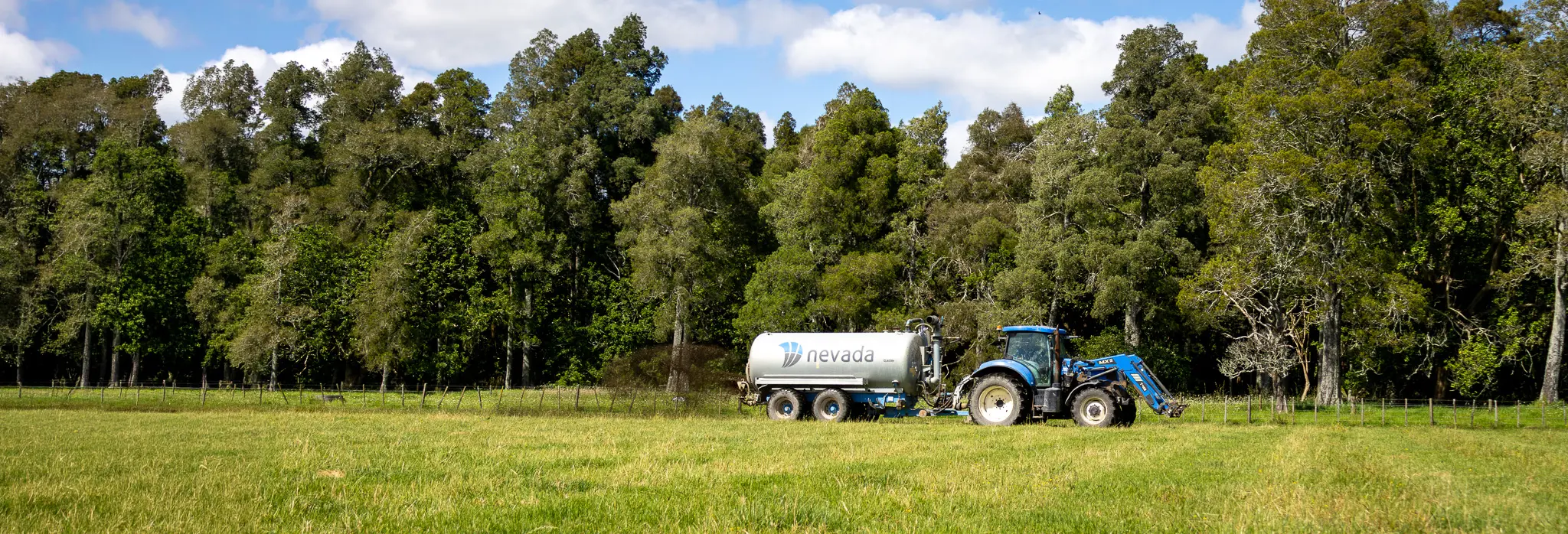
A tandem axle slurry tanker is a popular choice for medium and large-scale farms. These models typically range in capacity from 10,000 to 16,000 litres. Two axles help distribute the load evenly across a greater surface area, improving stability and control. This setup is especially beneficial for rolling terrain, where a balanced load reduces the risk of tipping or uneven wear.
A tandem axle slurry tanker is typically constructed with a full chassis and a separate drawbar for enhanced shock absorption. This design minimises the stress transferred through the tank, making it safer to operate on uneven ground. For best performance and safety, braking should be fitted on both axles. Having brakes on all wheels ensures better control, particularly when operating on slopes or under heavy load conditions.
To make manoeuvring easier, consider a steering rear axle. This feature enhances turning capability and reduces ground scuffing, helping the tanker navigate through tight areas with greater ease.
For many dairy farms, a tandem axle slurry tanker offers the ideal compromise between carrying capacity and manoeuvrability. It allows larger loads to be transported safely without the additional size and weight of a triple axle configuration.
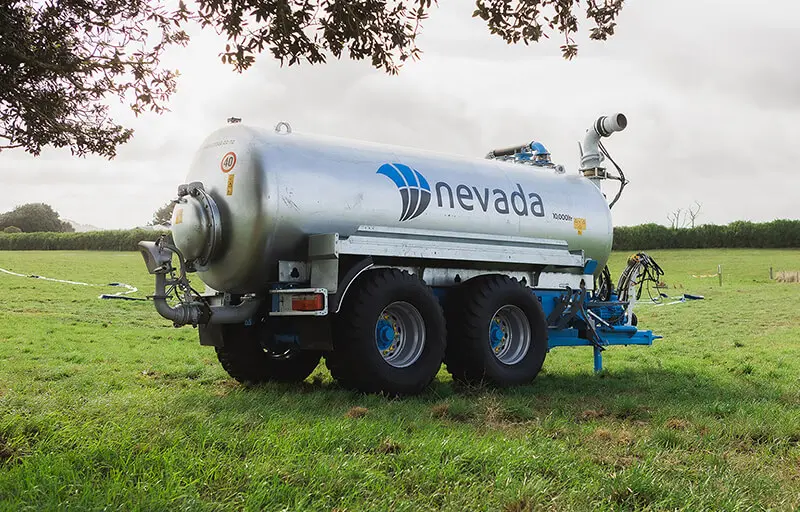
When comparing a single axle slurry tanker with a tandem axle slurry tanker, the main considerations are efficiency, capacity and stability.
Single axle models are well suited to smaller farms where lighter loads and easy manoeuvrability are priorities. They generally require less tractor power, are simpler to maintain, and are ideal for shorter transport distances
In contrast, tandem axle slurry tankers suit farms with higher effluent volumes or where greater distances need to be covered. With two axles, the load is better balanced, reducing ground compaction and improving traction across varied terrain. They can carry heavier loads without compromising safety or control, reducing the number of trips needed to empty ponds or transport effluent from the cowshed.
While single axle models remain a practical and economical option for many farms, tandem configurations often deliver greater long-term productivity where larger workloads are involved.
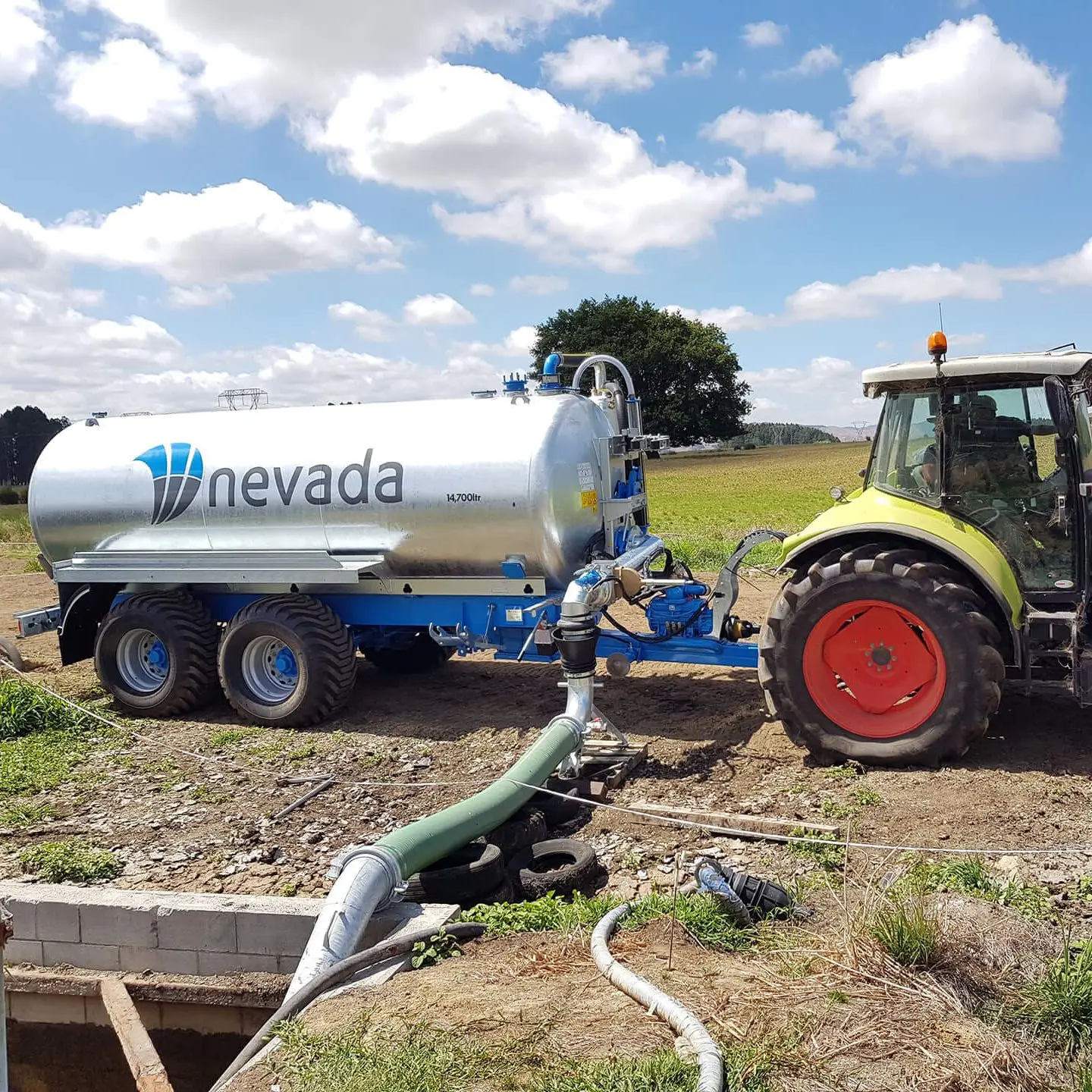
The decision between a tandem axle slurry tanker and a triple axle tanker usually comes down to load size, transport distances and operating conditions.
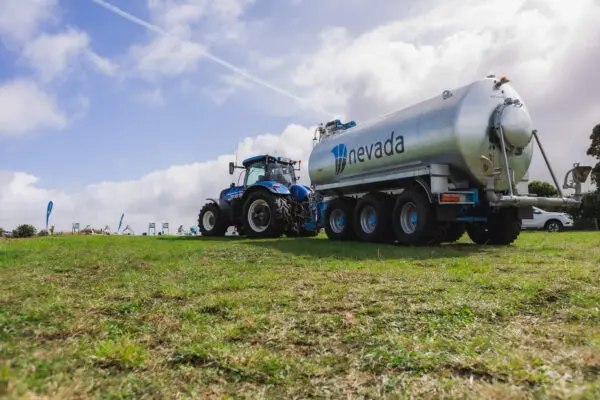
A triple axle tanker offers the advantage of carrying larger loads more efficiently. With six wheels on the ground, weight is distributed over a greater area, helping minimise soil compaction while improving stability. Triple axle models are generally recommended for loads exceeding 20 tonnes.
Despite their larger size, modern triple axle tankers often handle better than many farmers expect. The middle axle acts as a pivot point while the front and rear steering axles improve manoeuvrability, allowing the tanker to negotiate gateways and paddocks more smoothly than a rigid configuration.
This makes a triple axle tanker an excellent choice for contractors or larger farming businesses managing significant effluent volumes where productivity and transport efficiency are priorities.
Safety remains a key consideration when selecting a larger tanker. A triple axle model should be fitted with high-capacity brakes on every axle, and the towing tractor must have sufficient horsepower and braking capability to operate safely. Many operators also benefit from accelerated loading systems that reduce filling times and improve overall efficiency.
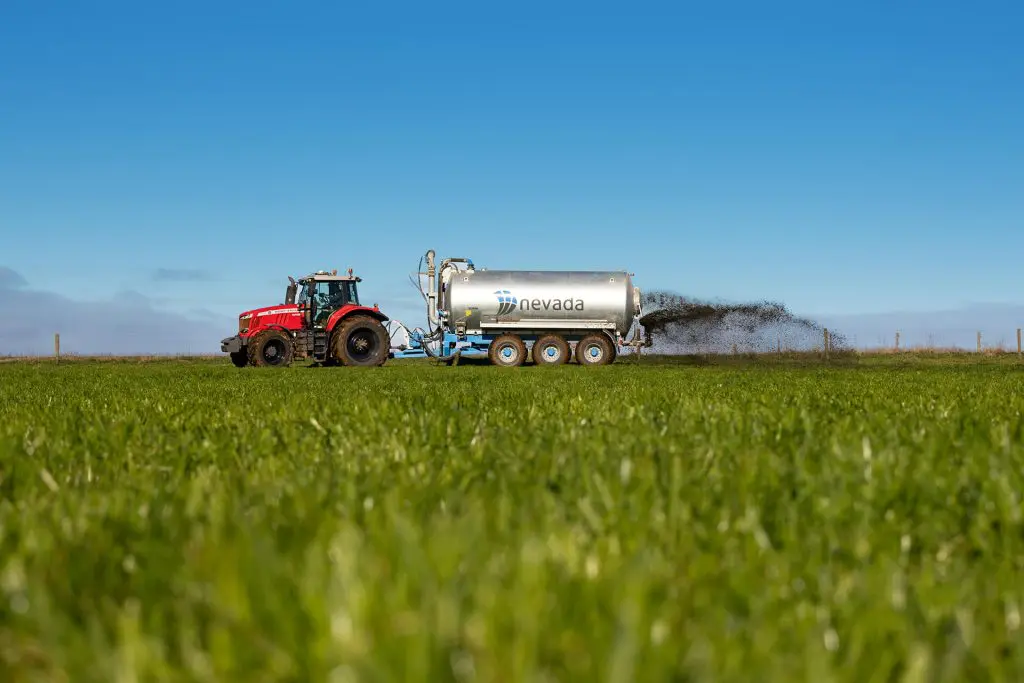
Every farm operates differently, which means there is no single axle configuration that suits every situation.
Factors such as herd size, annual effluent volumes, paddock layout, travel distances, soil conditions and tractor horsepower should all be considered before investing in a slurry tanker. Selecting the right configuration will not only improve day-to-day efficiency but also reduce operating costs and extend the service life of the equipment.
Taking the time to match your slurry tanker to your farming operation ensures safer operation, improved productivity and better long-term performance.
If you’re unsure whether a single axle slurry tanker, tandem axle slurry tanker, or triple axle tanker is the right fit for your farm, get in touch; the team at Nevada can help. With extensive experience in slurry management systems, we can recommend the ideal tanker to match your terrain, tractor power and workload, helping you invest in equipment that will deliver reliable performance for years to come.
"*" indicates required fields
"*" indicates required fields
"*" indicates required fields
"*" indicates required fields