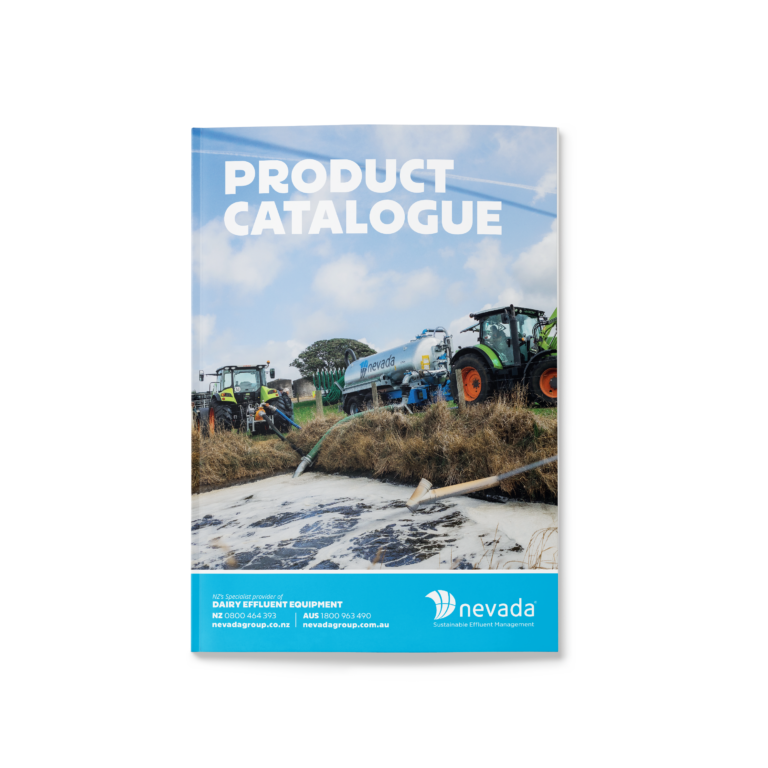
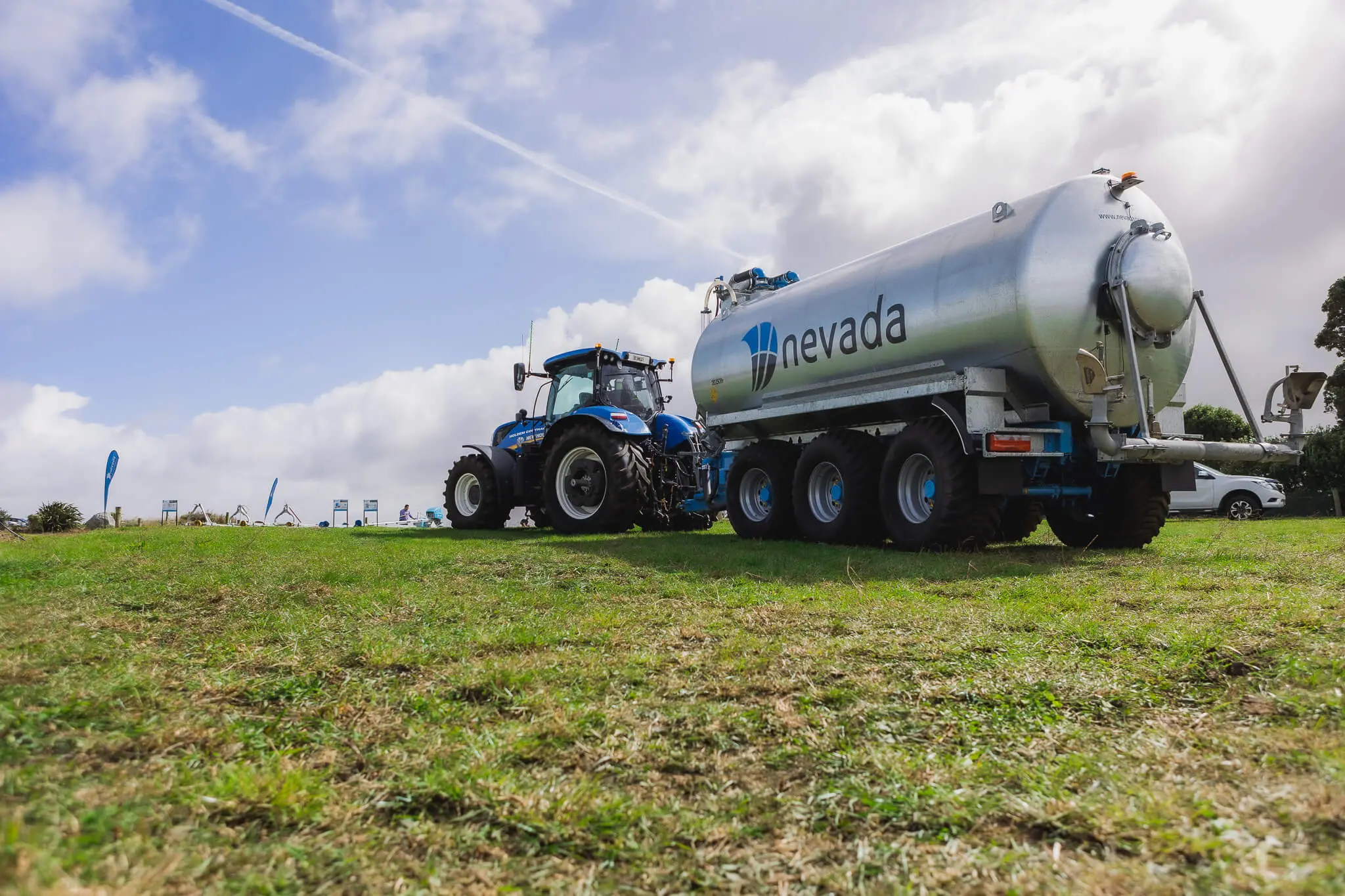
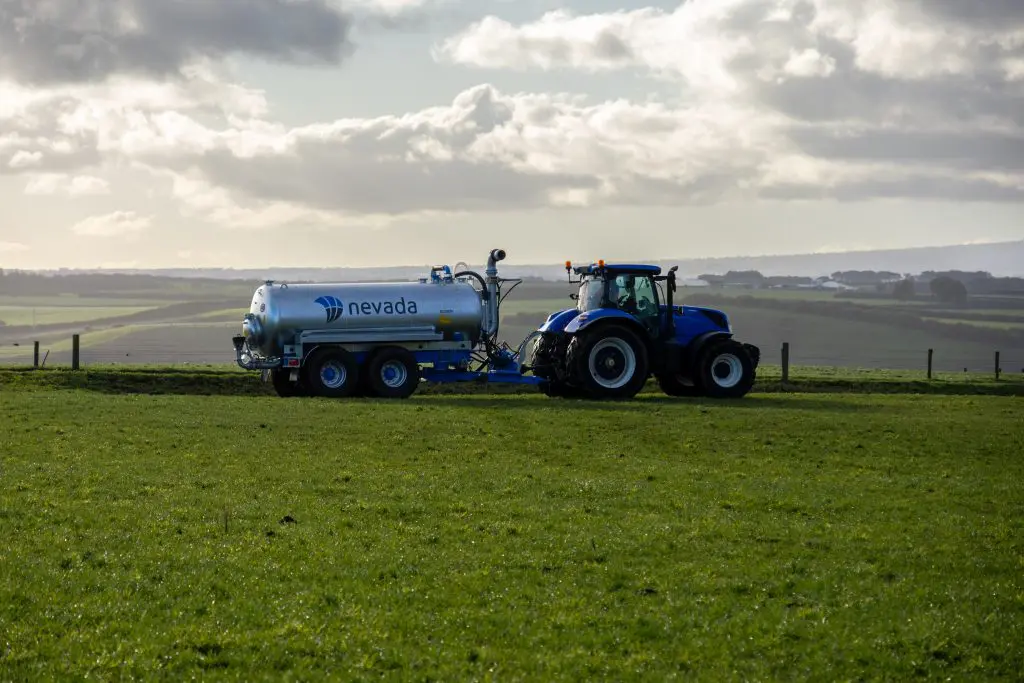
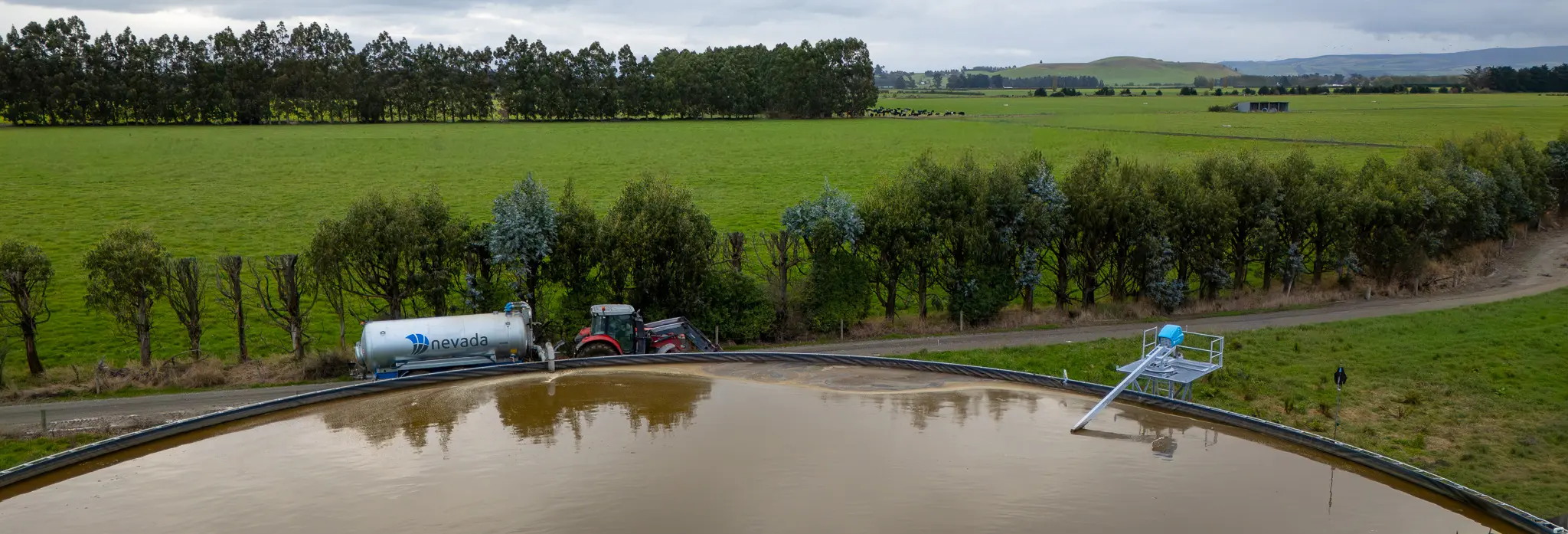
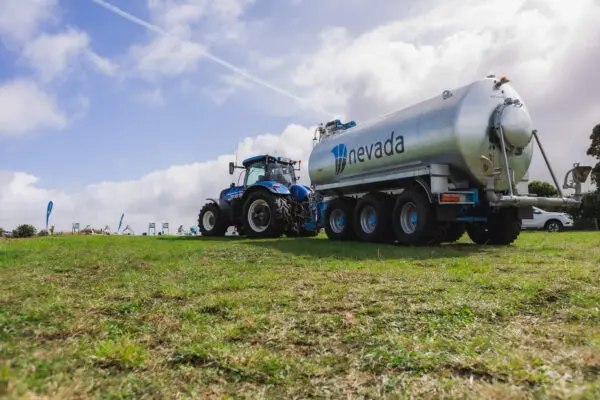
To ensure you are choosing the most cost effective effluent spreading method, it pays to understand all the benefits and advantages of utilising a slurry tanker so you can make the best decision for your farm.
Slurry tankers have unlimited reach across multiple paddocks and areas of operation. They allow you to reach a greater area without concern of toxic build up over time that could create health problems for animals. Whether you have long or irregular shaped paddocks, this method is a great solution for managing difficult topography or reaching far away paddocks more easily.
Another benefit to consider is the ability to effectively apply nutrients. If you are managing effluent from a feed pad or slatted floor barn where you are getting a lot of nutrient rich effluent, a slurry tanker is able to take the effluent anywhere it needs to be applied. It also serves as a great way to reach crop paddocks that are outside the dairy platform.
Other effluent management methods, such as pipes, can result in a lower nutrient value reaching crop paddocks. In these cases, we recommend utilising a Nevada RainwaveTM Applicator, where you can reach the plant root zone effectively, instead of losing nutrients to dissipation

When deciding whether this approach suits you best, you can consider the added benefit of risk reduction. For instance, the most you could potentially lose if an issue occurred is a tanker load of effluent. With more control, you can operate using better practices that ensure there is no risk to waterways or ponding issues. While problems can occur with unattended travelling irrigators or pipes, a slurry tanker offers a straightforward approach that makes it easier to maintain compliance.
There is no installation cost with a slurry tanker, so you have the added assurance of getting right back to managing effluent on your farm without delay. Minimal set up also means it takes less time to spread effluent overall, and it means you can easily take a break from the task without needing to pack away a lot of equipment.


A slurry tanker can apply effluent at a low application rate and provide proof of placement. This allows you to take more precise control and ensure you have enough effluent to apply across all your required areas.
On average, slurry tankers distribute between 30,000 to 60,000 litres an hour. If you are operating over several farms, all you need is one investment for one piece of equipment that provides effluent management for all your farms, compared to having to put in infrastructure on each farm.
Slurry tankers operate at an extremely low running cost. It really only requires the cost of diesel in your tractor, as well as one worker to manage the tanker. With virtually no repairs or maintenance required when instructions are properly followed, slurry tankers operate for many years with zero hassle and retain their resale value if your operations change in the future.
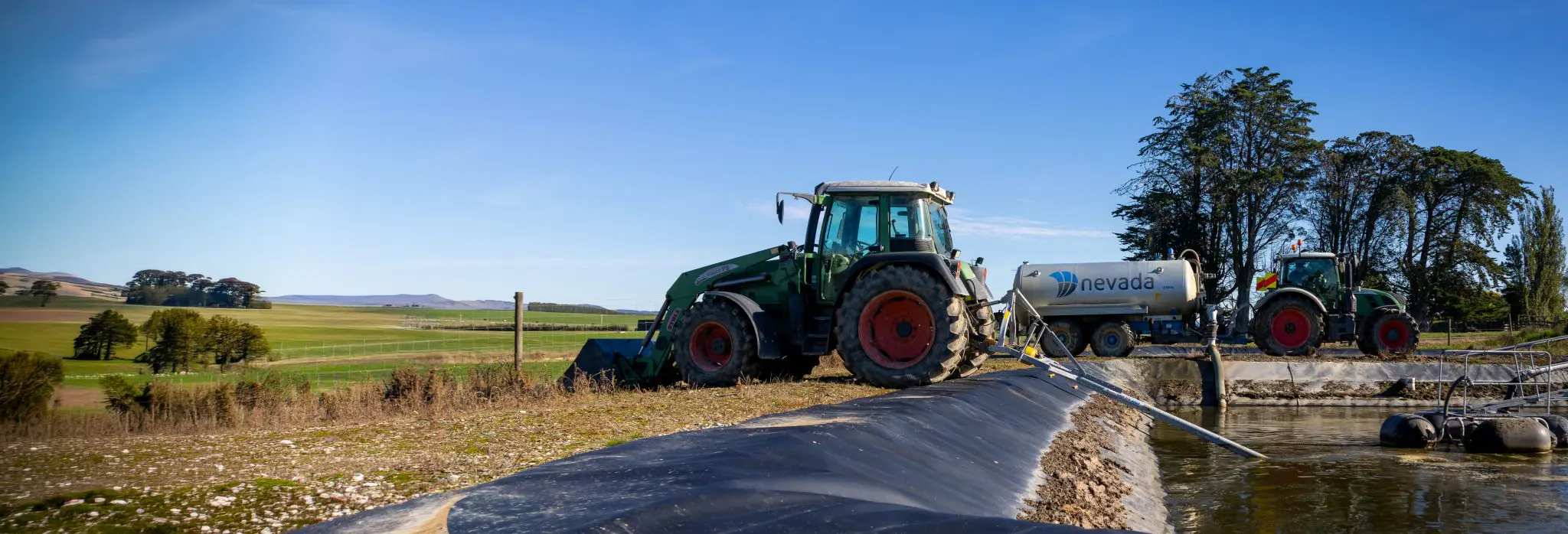
If your farm has some irregular shaped paddocks and they are less than 3.5ha in size, then a tanker is potentially the most cost-effective system for you. If, however, they are larger than 3.5ha and regular shaped then an electric pump effluent system or drag hose system could be worth considering. In either case, the knowledgeable team can point you in the direction of the best solution for your needs now and in the future.
Contact us now to chat through your options.

"*" indicates required fields
"*" indicates required fields
"*" indicates required fields
"*" indicates required fields