Travelling irrigators are among the most labour-efficient systems for effluent management, but there are a few considerations to ensure you choose the best system for your farm.
Effluent management is a critical part of modern dairy farming. With increasing compliance requirements and the need to utilise nutrients efficiently, farmers are looking for systems that enable them to manage effluent safely while reducing manual labour time. A travelling irrigator can play an important role in achieving this balance by spreading effluent evenly across suitable paddocks with minimal day-to-day involvement.
If you have regularly shaped or long paddocks, then a travelling irrigator is a labour-efficient option to consider. Travelling irrigators can be set up in around an hour and run for up to three hours, depending on the length of the paddock, and can be easily moved to another paddock for the next run.
Due to their ability to cover a wide area, travelling irrigators increase irrigation opportunities while requiring relatively little labour once operating.
Regular paddock layouts make it easier for the irrigator to travel in a straight line while applying effluent consistently across the paddock. This improves distribution and reduces the need for constant adjustments during operation. On farms where paddocks are long and evenly shaped, this method of spreading effluent can significantly reduce the time required to manage irrigation compared with other systems.

The type of travelling irrigator you need depends on your farm’s layout and irrigation requirements.
If you are near waterways, it is suggested to use a traditional travelling irrigator that is reliable and allows effluent to be applied with relatively low wind drift.
If your farm does not have concerns about waterways or irregularly shaped paddocks, a travelling rain-gun irrigator may be suitable. This option can manage a wider area at higher pressure while applying effluent at a low application rate. However, it is important to be mindful of potential issues such as wind drift that may spread effluent into non-target areas.

Another variation, better suited to larger farms, is utilising a hard hose reel with a rain gun system. This system can easily be shifted with a tractor and requires minimal labour to move from one paddock to another.
No matter what type of travelling irrigator you choose, it is important to assess paddock shape, be mindful of waterways, and consider travel speed. This should be matched to the soil type to ensure the application depth aligns with the infiltration rate, avoiding ponding and compliance issues.
Taking the time to assess these factors will help ensure your system performs effectively throughout the season. Proper setup and planning will allow you to maximise coverage per irrigation run while maintaining good nutrient control across your farm.
Travelling irrigators are among the most labour-efficient effluent system options on the market, with the ability to run for up to three hours on average with minimal involvement once set up.
The main limitations are the requirement for regularly shaped paddocks and the limit on the available pipe length.
While travelling irrigators can be left unattended, it is highly recommended to periodically check on the system during its run. This helps prevent components from becoming disconnected or from spraying in the same spot for too long.
Taking the time to set up the travelling irrigator correctly and checking for potential issues before turning it on will help ensure smooth operation.
In many cases, farmers choose travelling irrigators because they allow effluent to be spread across a wide area without requiring constant supervision. This can free up valuable time for other farm tasks while ensuring effluent continues to be managed responsibly and efficiently.
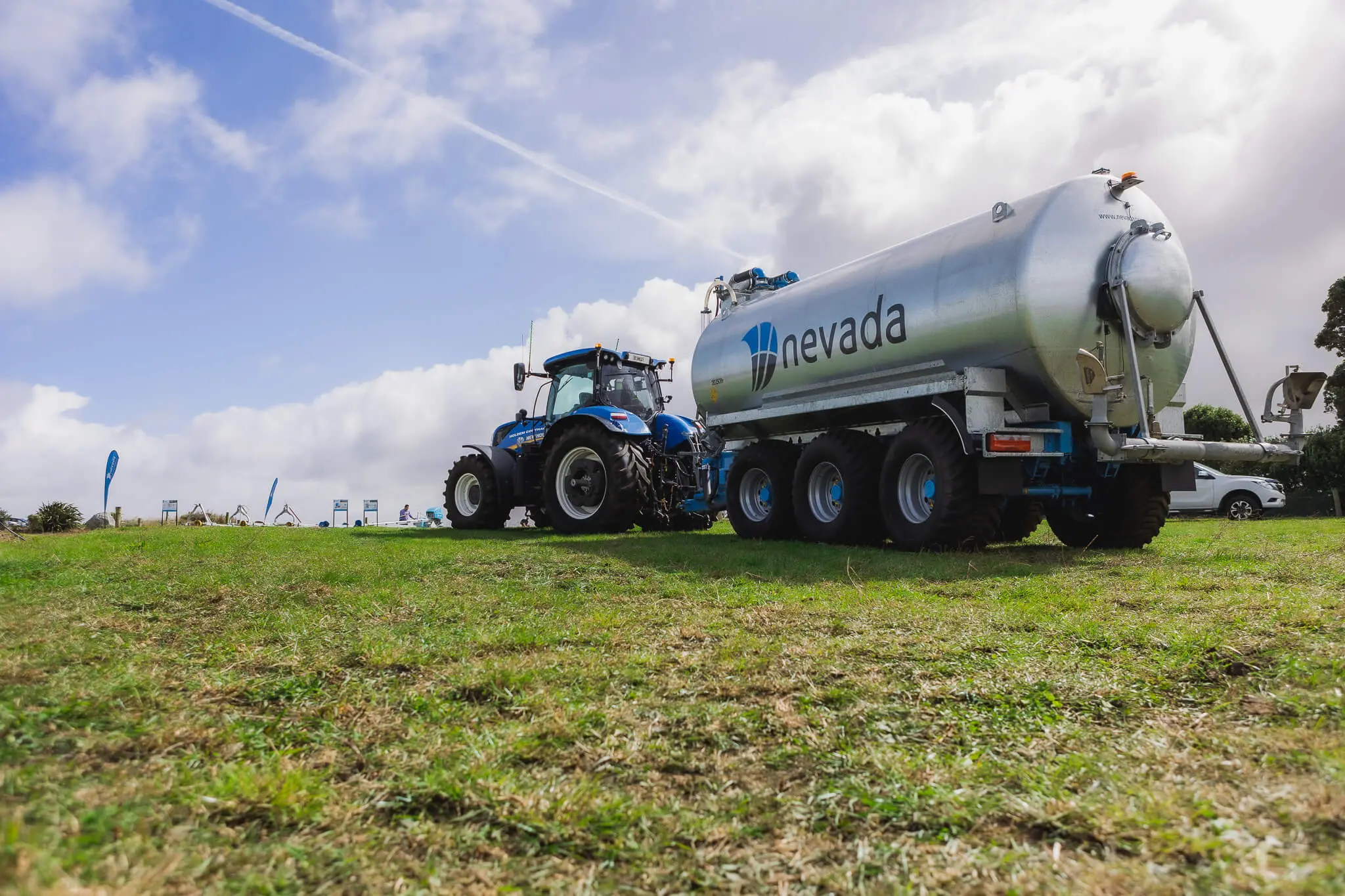
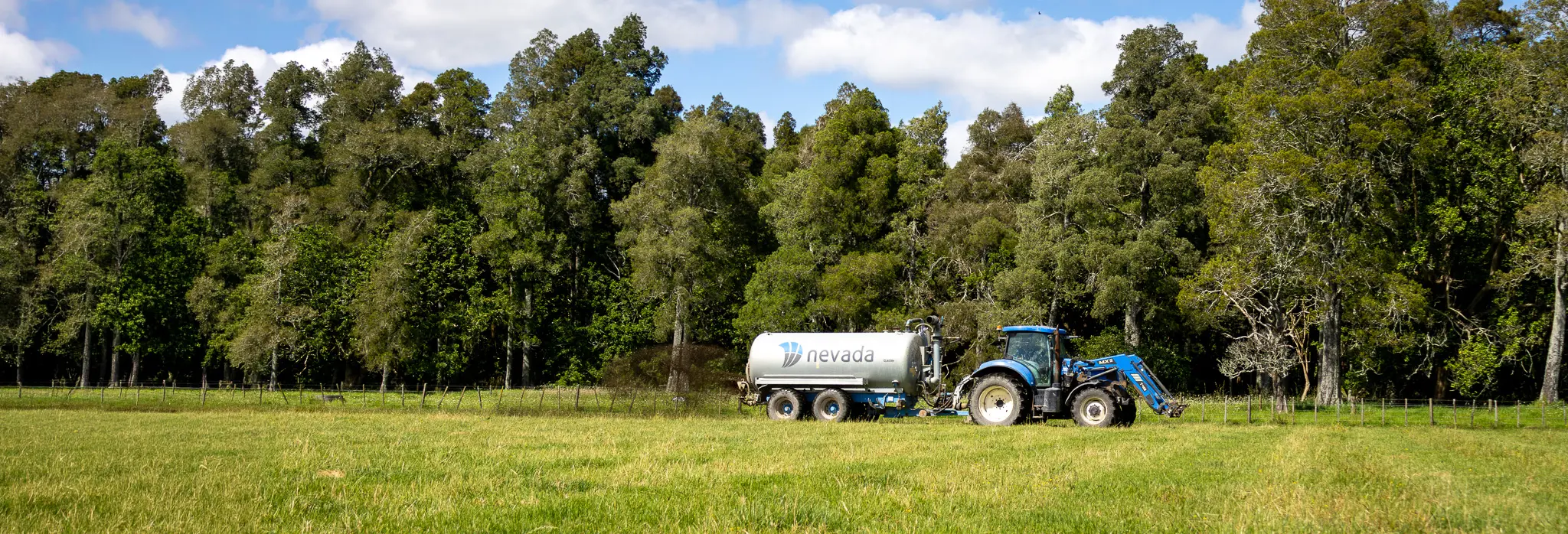
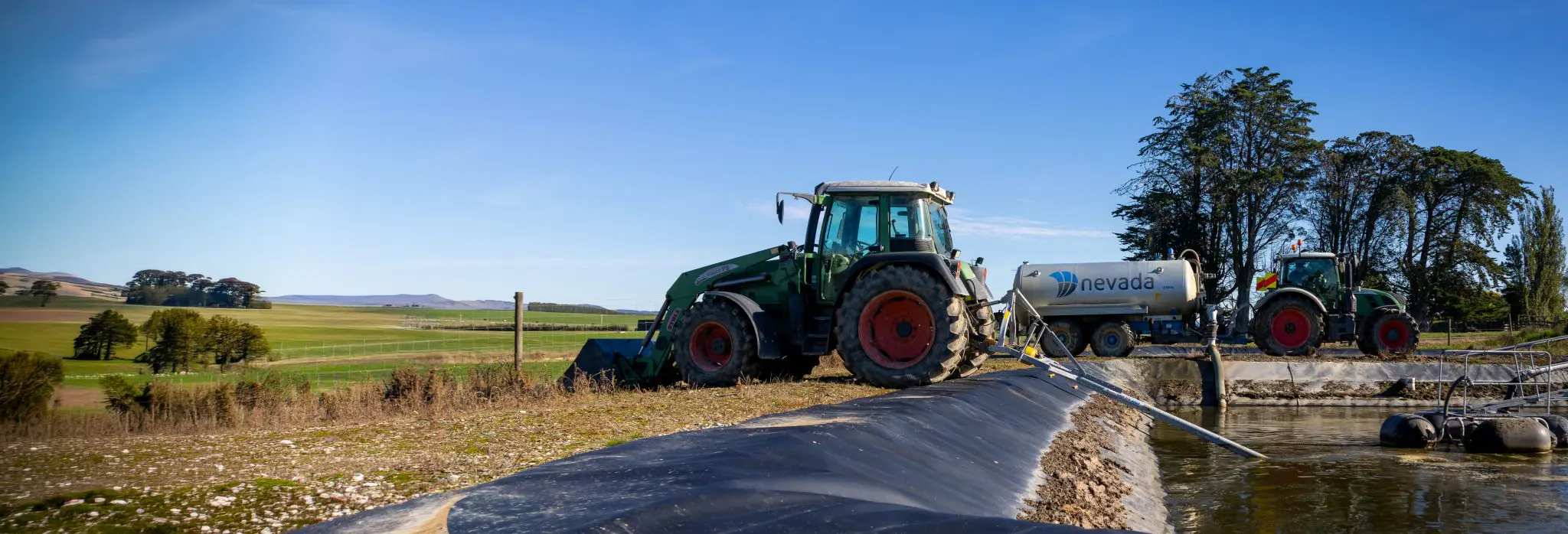
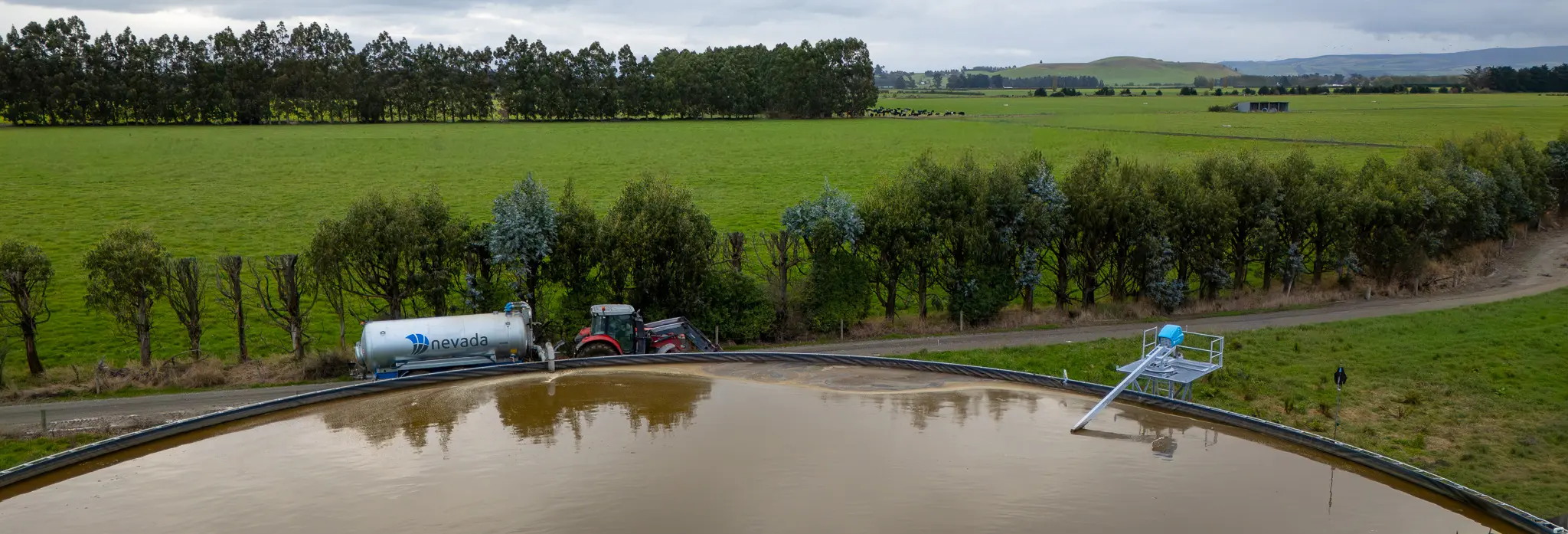
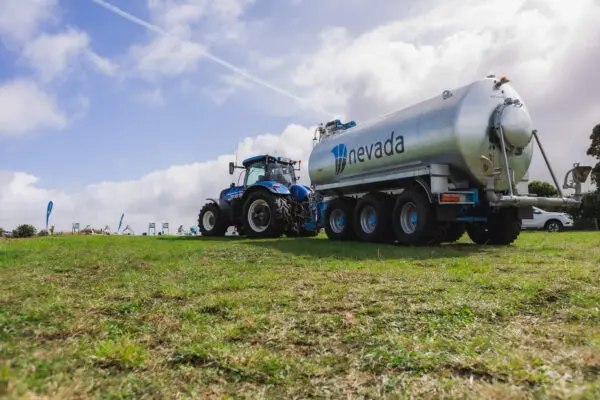
If you need to reach farther or have irregularly shaped paddocks, a slurry tanker can also complement a travelling irrigator, allowing you to spread effluent across your entire farm.
If you have increased your herd number or are expanding your farm, it may be time to reassess your effluent management system to remain compliant. The friendly, knowledgeable team at Nevada can help assess your farm’s needs and recommend the most suitable travelling irrigator or slurry tanker system.
"*" indicates required fields
"*" indicates required fields
"*" indicates required fields
"*" indicates required fields