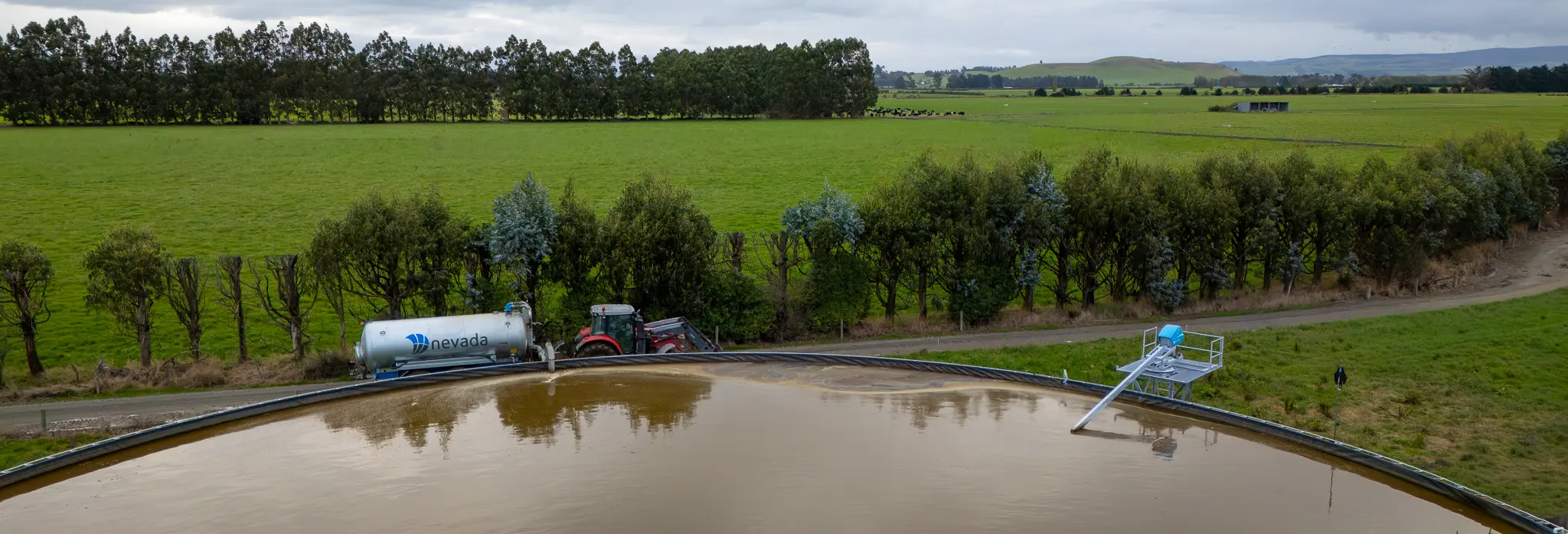
Effluent bladder tanks have become one of the key components of many dairy effluent management systems. With a multitude of benefits, they allow farmers to efficiently store, manage and utilise their effluent nutrients. However, to ensure that your effluent system is functioning at its best, it’s essential to keep your effluent bladder tank properly mixed and drained.
Regular stirring of your effluent is crucial for preventing solids from building up and clogging your tank’s drain ports. Aim to stir your effluent at least once a month to ensure that the nutrients are well-mixed and evenly distributed. Regular mixing also maximises the nutrient value of your effluent, which is essential for producing healthy pasture and crops.
Effluent mixing is done by recirculating the effluent with a pump. The amount of mixing needed will depend on the size of your bladder, the power of your pump, and the density of your effluent. To ensure optimal mixing, it’s best to invest in an effluent bladder tank equipped with multiple mixing ports. This allows you to circulate the effluent from multiple angles, maximizing the efficiency of your mixing process. Watch the video on how to stir your Bladder Tank.
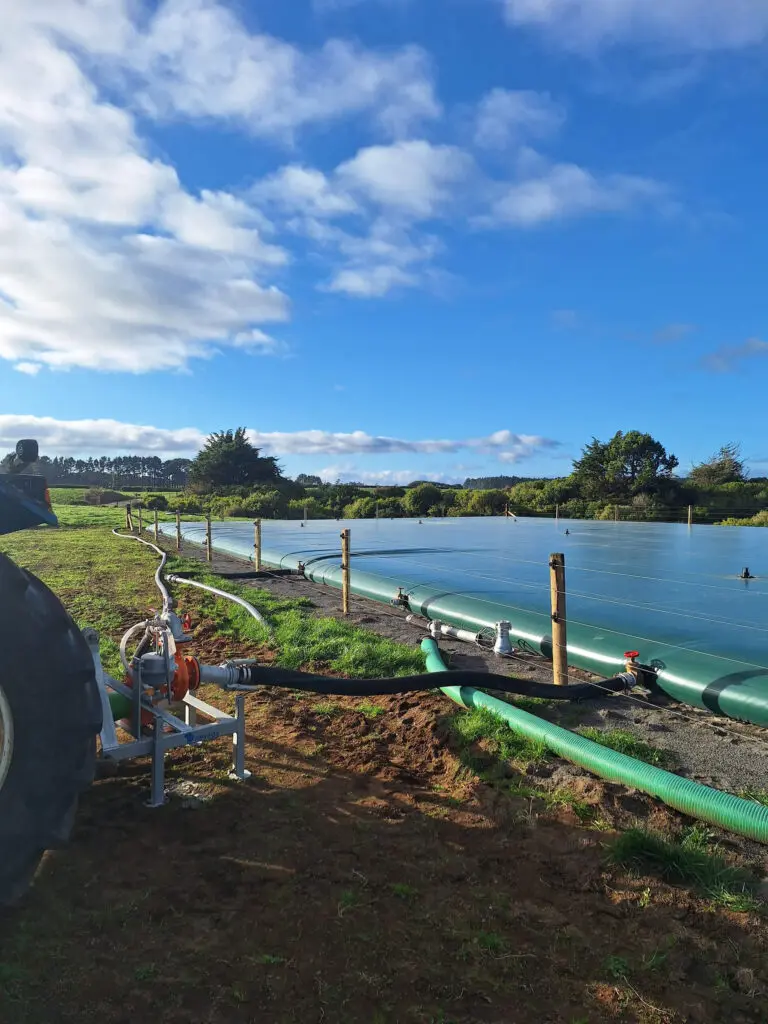
In addition to regular mixing, it’s important to drain your effluent bladder tank at least once a year to prevent solids from accumulating and reducing storage capacity. This is especially crucial if your tank only has one central drain hole, as solids can accumulate and block the hole if not mixed properly.
When selecting an effluent bladder tank, it’s essential to choose one designed specifically for storing effluent. Using a water bladder tank for effluent storage may lead to fungal formation or other issues that can compromise the quality of your effluent. By selecting a tank specifically designed for effluent storage, you’ll ensure that your tank material is strong enough to handle the thicker effluent and prevent potential issues down the road.
So, if you’re using an effluent bladder tank as part of your effluent management system, be sure to set up a routine for mixing and draining. By regularly stirring your effluent, using multiple mixing ports, and draining your bladder tank at least once a year, you’ll be getting the most out of your resources and maintaining a healthy farming operation.

"*" indicates required fields
"*" indicates required fields
"*" indicates required fields
"*" indicates required fields