Blogs

Don’t just take our word for it – see stories from real dairy farmers about simple changes they’ve made to their effluent management systems which have big improvements to their operations!

Getting the most out of your effluent system starts long before spreading. Correct stirrer placement plays a major role in how well solids are broken down, nutrients are suspended, and the slurry remains consistent. If a stirrer is poorly positioned, even the best equipment can struggle to deliver reliable results.
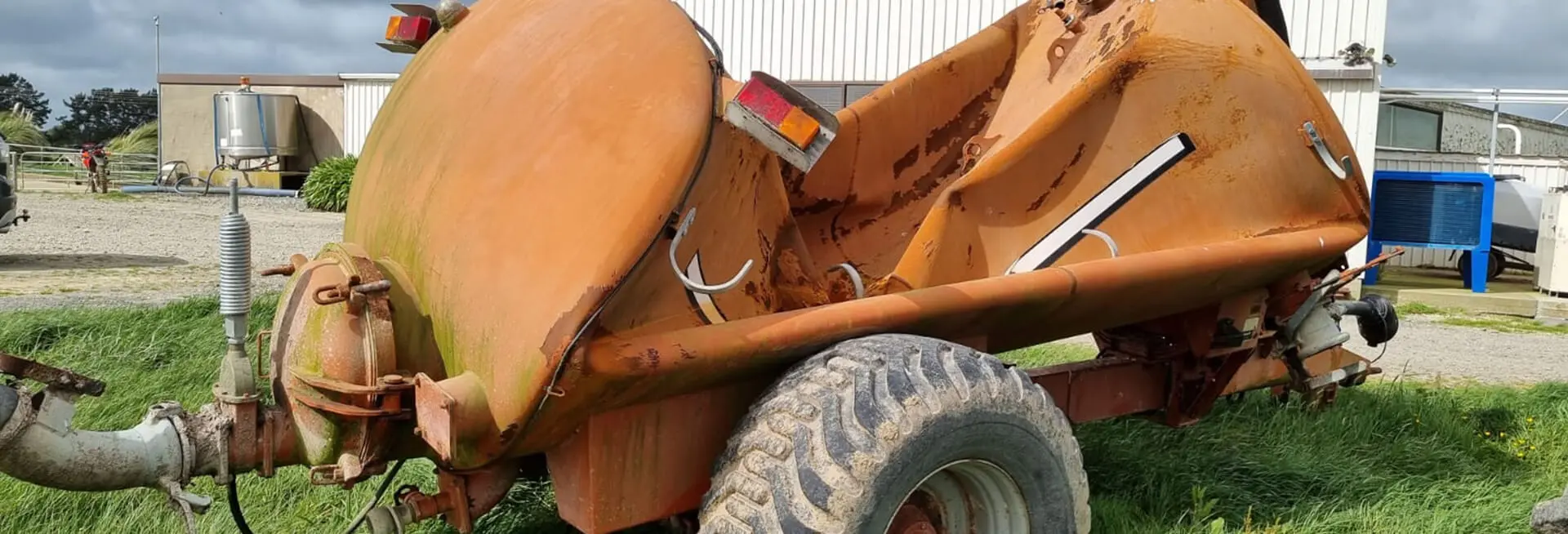
A slurry tanker is a long-term investment, so getting the fundamentals right matters. This guide outlines three non-negotiables to look for, including corrosion-resistant galvanised steel, a full chassis for larger tankers, and an applicator that delivers a consistent, even spread to support compliance and long-term performance.
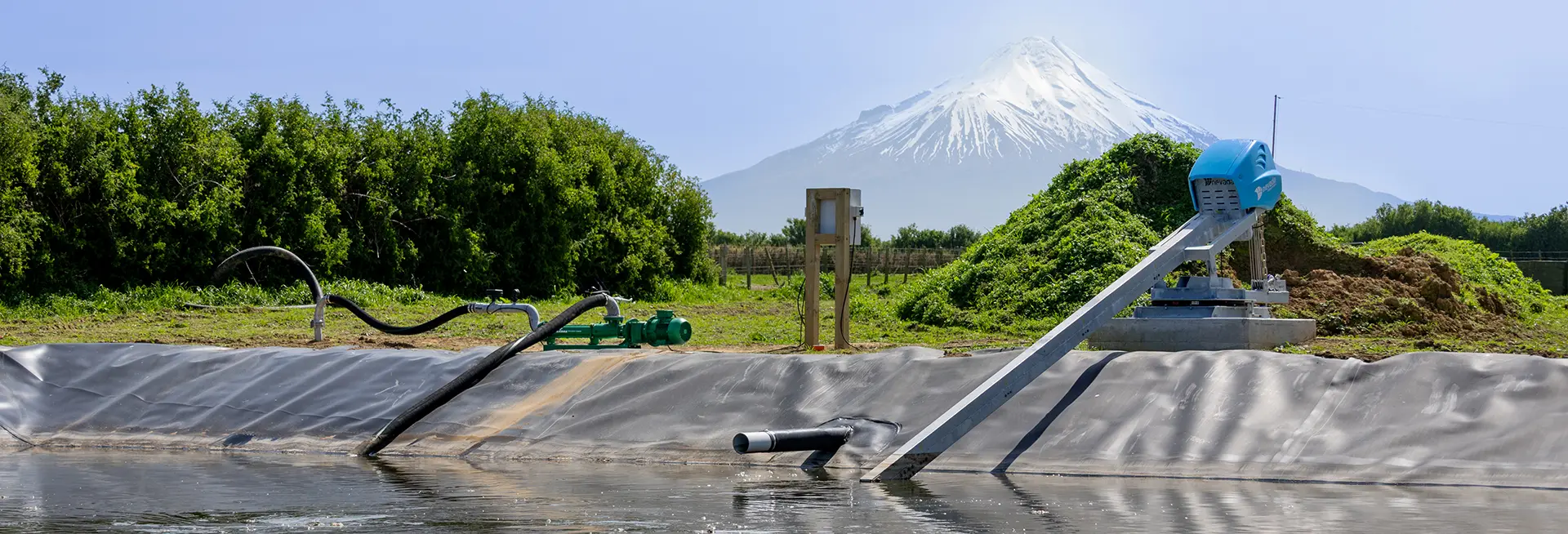
Choosing the right effluent storage option can make a big difference to your farm’s setup and council compliance. In this blog, we break down the different types of storage, pond liners, and what will work most effectively depending on your land, water table, and farm layout.
Choosing between a single-axle slurry tank, a tandem axle setup, or a triple axle setup depends on your farm’s terrain and workload. This guide explains how different axle configurations impact stability, safety, and performance, helping you choose the right slurry tanker for your specific needs.
Comparing a progressive cavity pump vs centrifugal system helps farmers choose the most efficient setup for effluent management. This guide explains the key differences between these pumps, outlining performance, maintenance, and safety advantages for modern dairy operations.
A tank implosion can cause serious damage and downtime. This blog shares practical checks and explains why anti-implosion rings are essential to prevent an imploded tank, helping farmers protect their equipment and avoid costly downtime.
Farm tankers are changing how New Zealand farmers manage effluent. Designed for efficiency, versatility, and compliance, these systems save time and reduce labour. Whether you need reliable farm tankers for heavier loads or a flexible option for daily use, this guide explores five key advantages that make tankers the best choice for smart dairy farming.
Deciding between a slurry tanker and umbilical slurry equipment is a key step in effective effluent management. Both offer unique benefits, including flexibility and low labour costs, as well as high-volume spreading speed. This guide explores application options, costs, soil impact, and real farmer experiences to help you choose the system that best fits your farm
Uncover what an effluent pump is used for and how effluent ponds benefit your farm’s ecosystem. Master management practices with Nevada today.
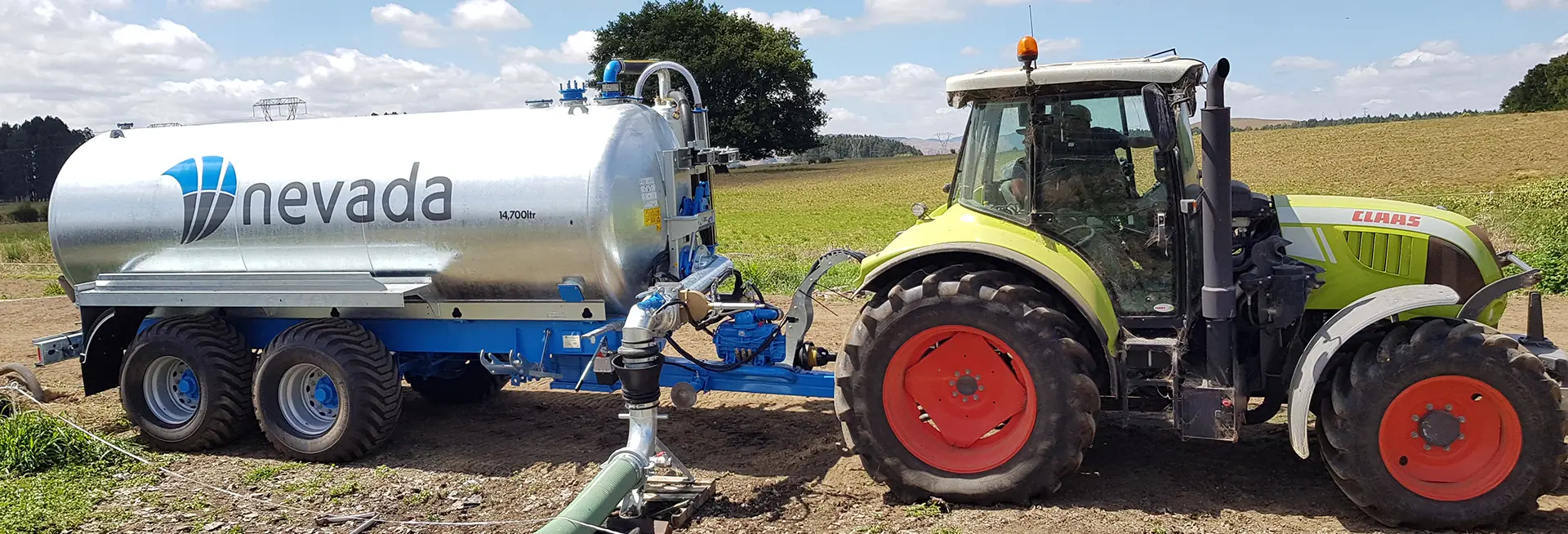
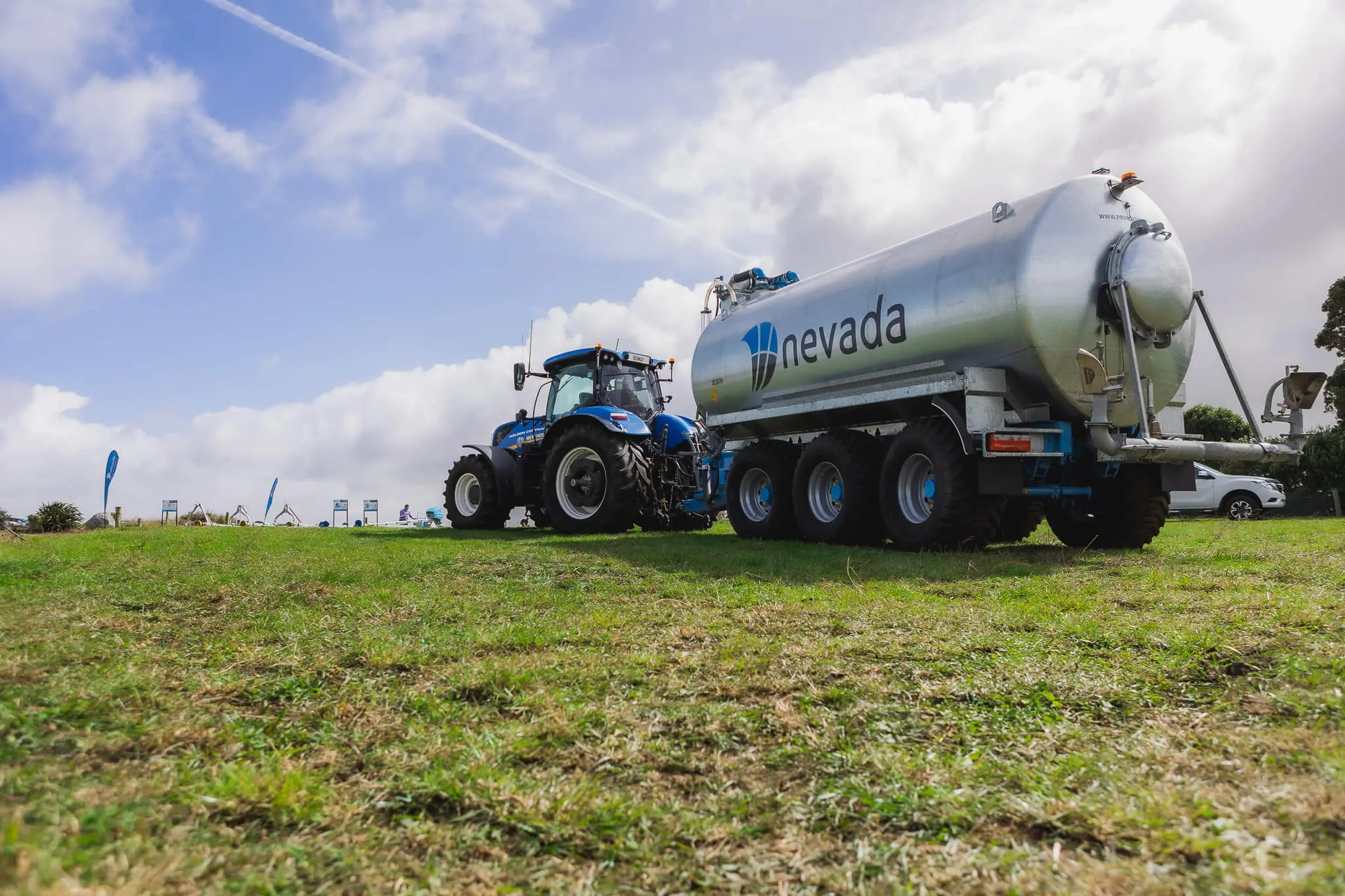
Modern slurry tankers are now a high-tech piece of kit. Fast and efficient, they allow you to spread effluent to 90% of your farm.
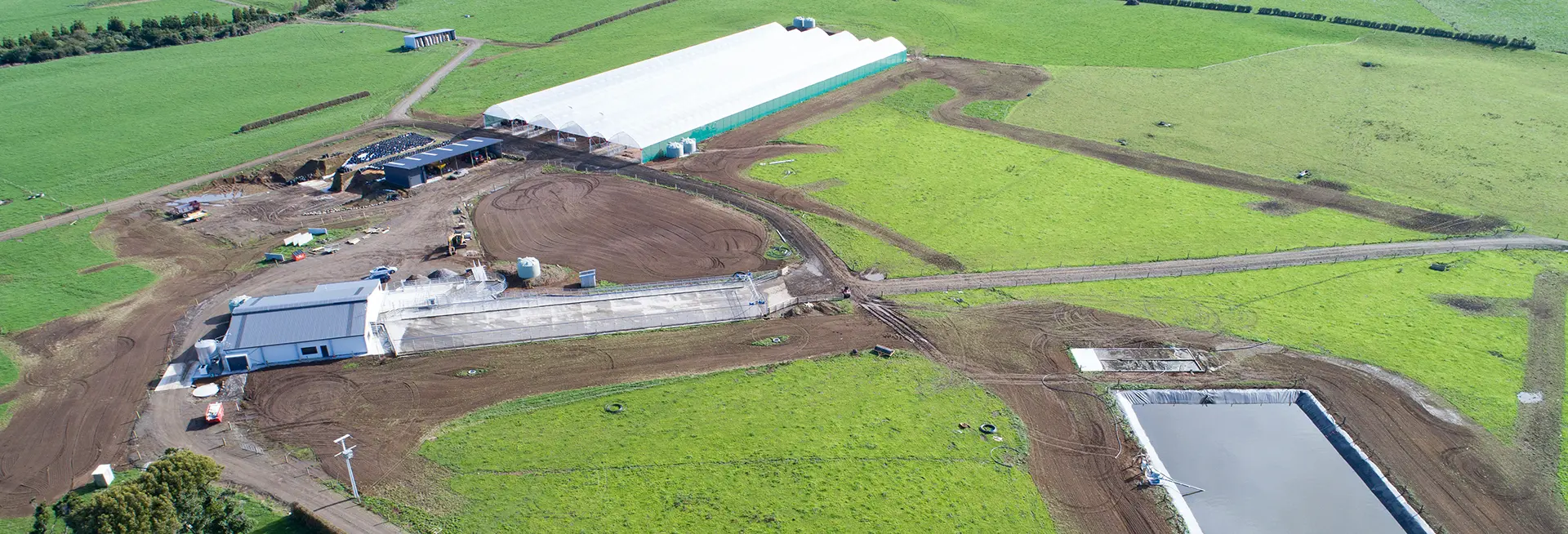
What’s the best set-up for effluent storage? That’s a difficult question to answer because every farm is different.
The Government’s latest tax incentive—called Investment Boost—is good news for New Zealand businesses, especially dairy farmers. If you’re thinking about upgrading or investing in effluent systems, this could be the nudge you need.

Info Hub

Access valuable resources, expert advice, and tools to optimise your dairy farm’s effluent management.

Stay ahead with the latest in dairy effluent management. Our expert blogs cover best practices, product insights, sustainability tips, and industry trends to help you optimise your farm operations.

Get the best deals on effluent equipment. Check out our latest promotions, seasonal offers, and exclusive discounts to maximise value and Feed your farm.

Explore our full range of dairy effluent solutions in one place. Download our catalogues to browse top-quality equipment, innovative solutions, and expert recommendations tailored to your farm’s needs.

Subscribe to our Newsletter