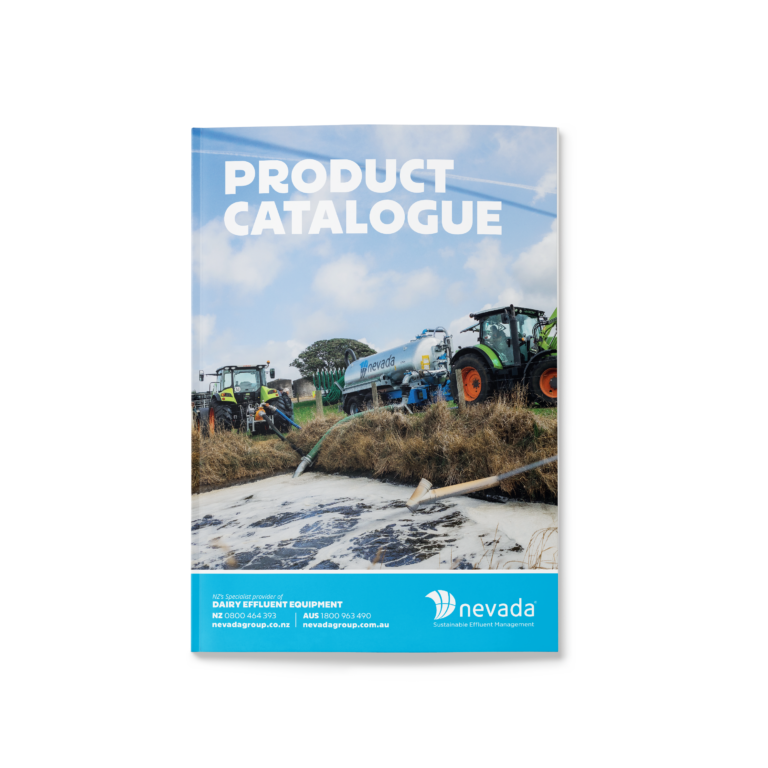
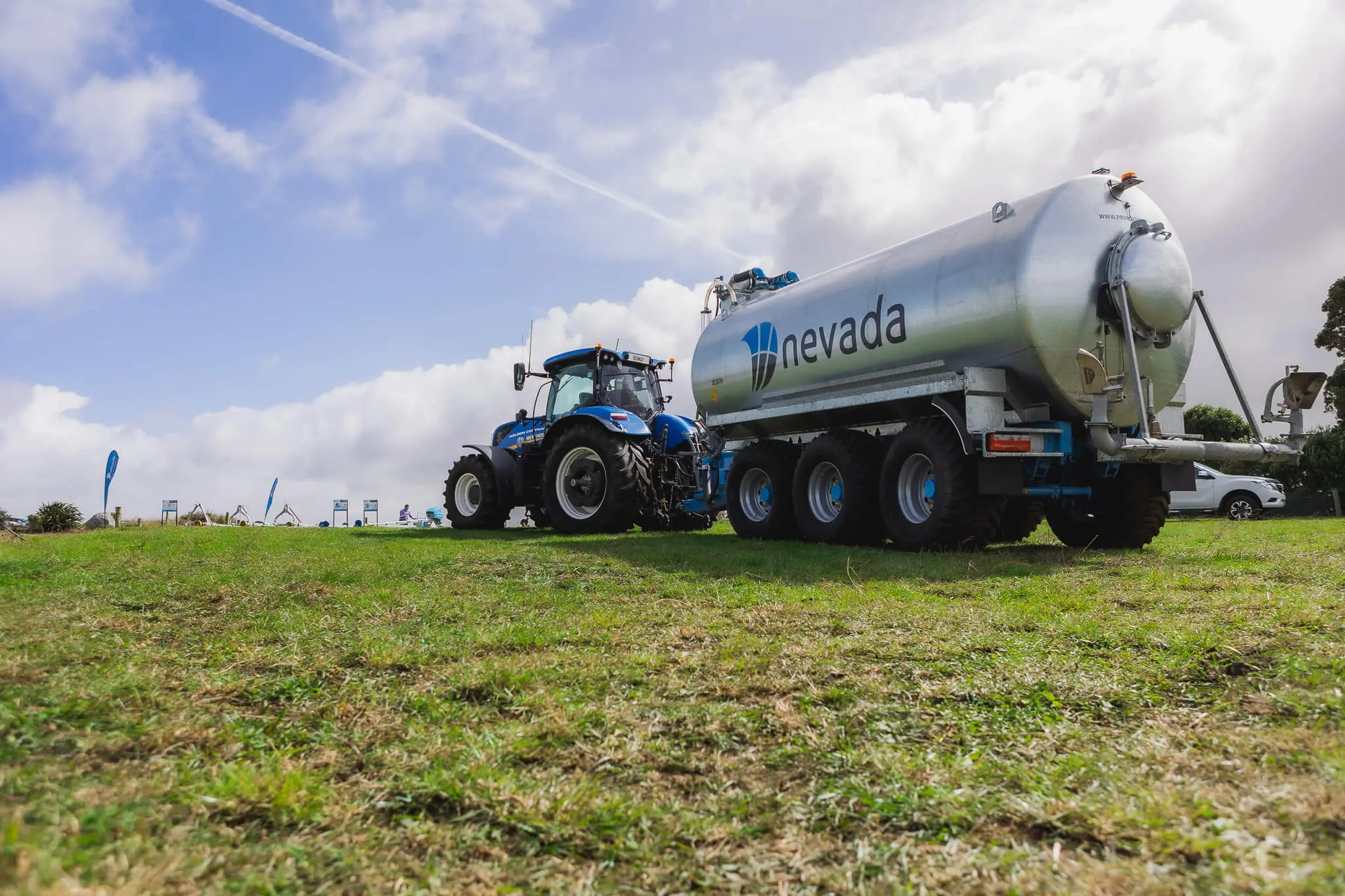
Slurry tankers have changed a lot over the years. Back in the day, they were slow, ponderous and dirty, but just like a modern hay baler, today’s equipment is a completely different proposition.
A modern slurry tanker is packed with technology that makes it easy and efficient to use, letting you spread effluent across over 90% of your farm and turn a waste by-product into a valuable resource.
For farmers considering investing in an effluent tanker, understanding the available sizes, features, spreading options and tractor requirements can help you choose the right setup. This slurry tanker guide covers the key things to consider.
The slurry tanker your dad remembers wasn’t pretty. It took an age to load, created a real mess and was inefficient. Today, a slurry tanker is a completely different animal.
Modern systems let farmers spread effluent quickly and easily, with less mess and hassle. You can control everything from the cab of your tractor, making loading, transport and spreading straightforward.
The right tanker can also help you manage compliance requirements, rejuvenate your soil and reduce how much you spend on synthetic fertiliser by putting valuable nutrients back where they’re needed.

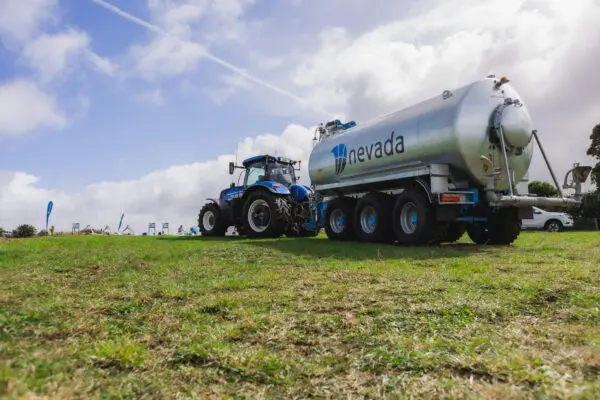
Nevada galvanised tankers can haul anywhere from 6,150 to 43,000 litres of effluent, giving farmers options for different farm sizes, tractor capacities and application requirements.
Zinc galvanisation provides exceptional corrosion resistance, durability, and protection from the elements, helping the tanker withstand demanding farm conditions. The tank also uses a vacuum pump to load and unload the slurry.
For farmers, that means a durable effluent tanker built for a long working life and lower ongoing maintenance.
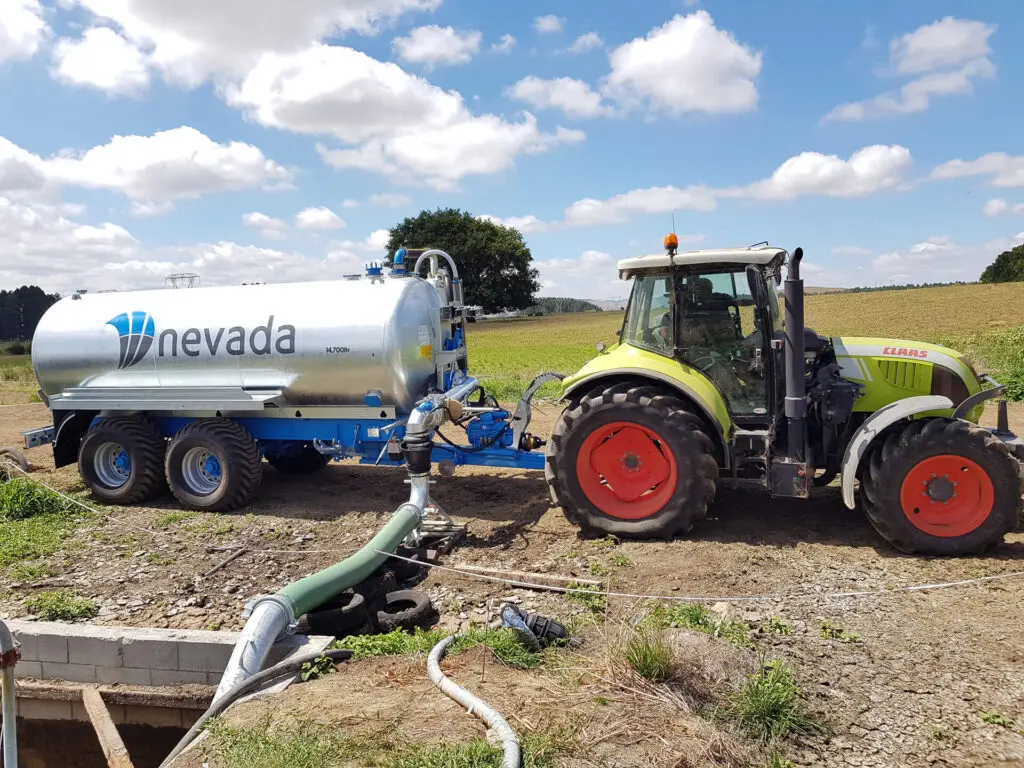
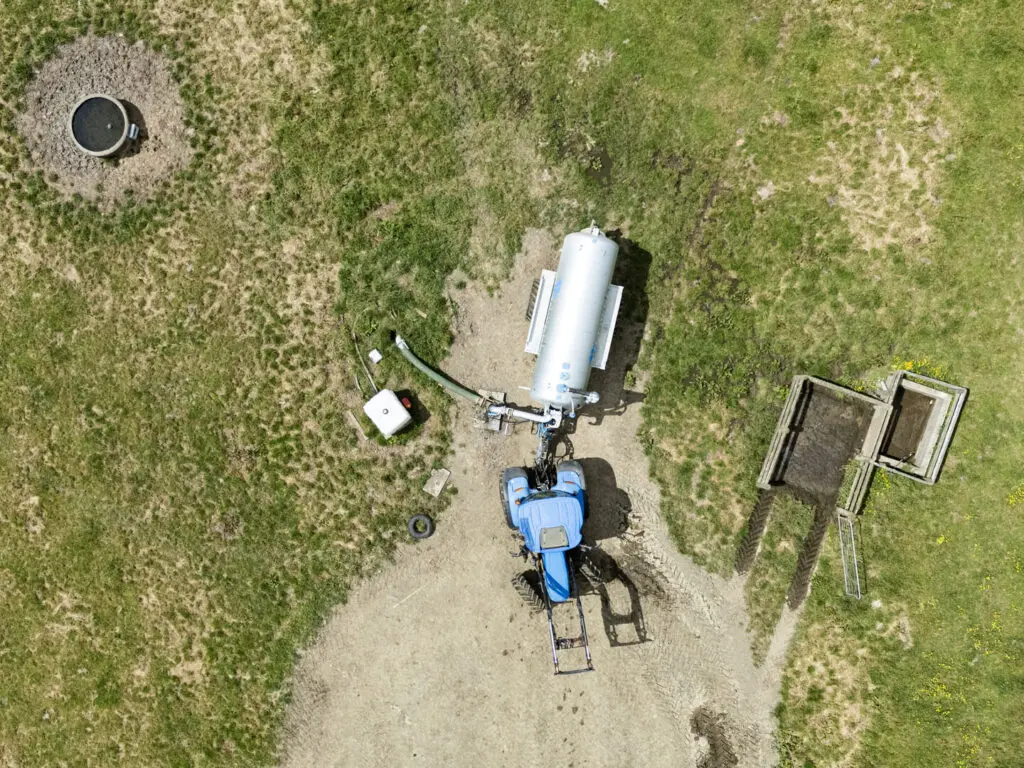
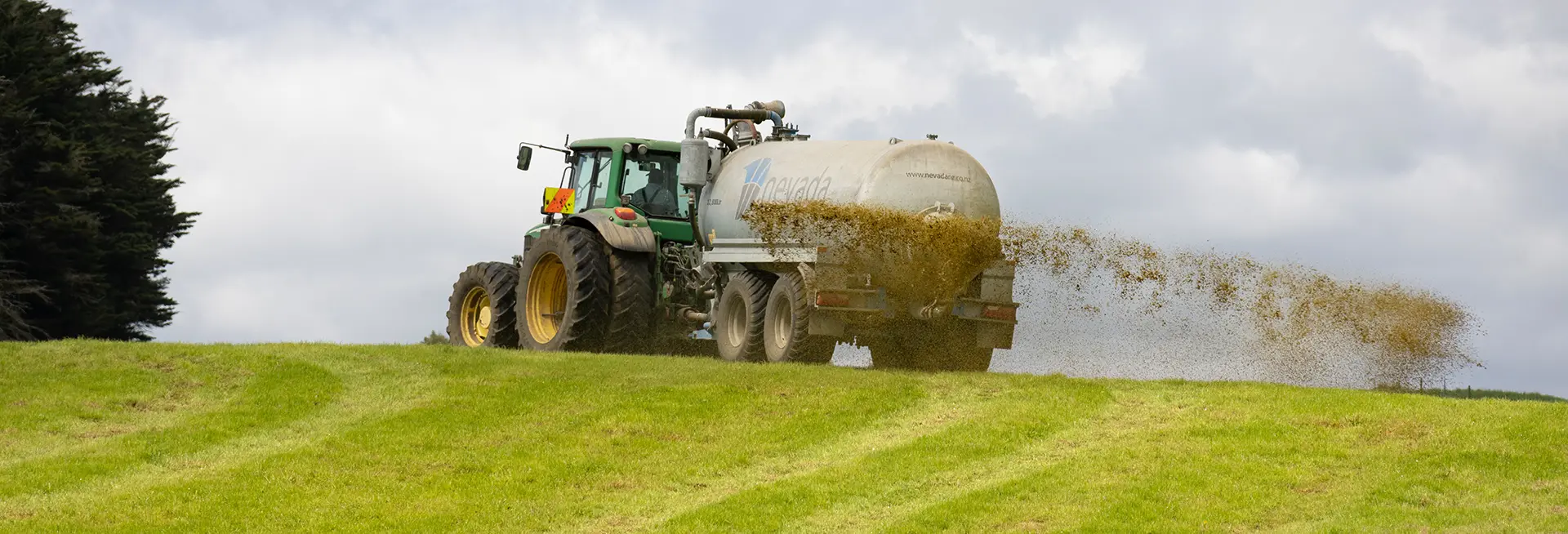
These days there’s no need to get out of the cab. A big 8-inch auto-fill snorkel connects to your effluent reservoir and sucks up the effluent. A 12,800L tanker can be filled in about three minutes and unloaded in about the same time.
Nevada uses a 13,500-litre ballast air-injected vacuum pump to load and unload the effluent. Only air goes through the pump, not effluent, bits of wire, or pebbles that could damage the machinery.
This reduces the risk of blockages, helps keep the system reliable, and reduces maintenance requirements. Effluent is loaded at the front of the tank and pushed towards the lowest point at the back, helping prevent solids from building up inside
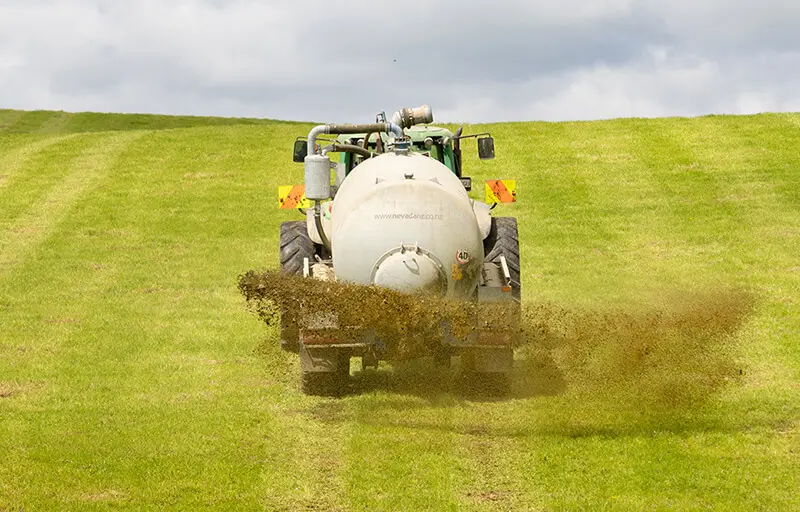
You have a wide range of applicator options, depending on what’s right for your farm. One of the most popular is the RainWave™ applicator.
This self-driven oscillating system needs no hydraulic or electric drive. Instead, it oscillates from side to side to provide an even spread.
The advantage of this system is that you can closely control application and reach into the corners of paddocks, particularly in irregularly shaped fields. The droplets are large enough to penetrate the foliage layer and reach the soil, supporting nutrient uptake and soil health.
Larger droplets also mean virtually no wind drift or nitrogen volatilisation, along with minimal smell or odour, which your neighbours may thank you for.
Nevada tankers can also be equipped with a Trailing Shoe or Disc Injector spreading system. These options place effluent directly onto or into the soil, allowing you to bring the herd back in sooner than with a traditional splash plate spreader.
If you have areas your tractor can’t reach, such as steep slopes or crop paddocks, a Nevada RainGun is another option. This provides additional range, although your tanker will also need a Garda Pump to operate a RainGun.
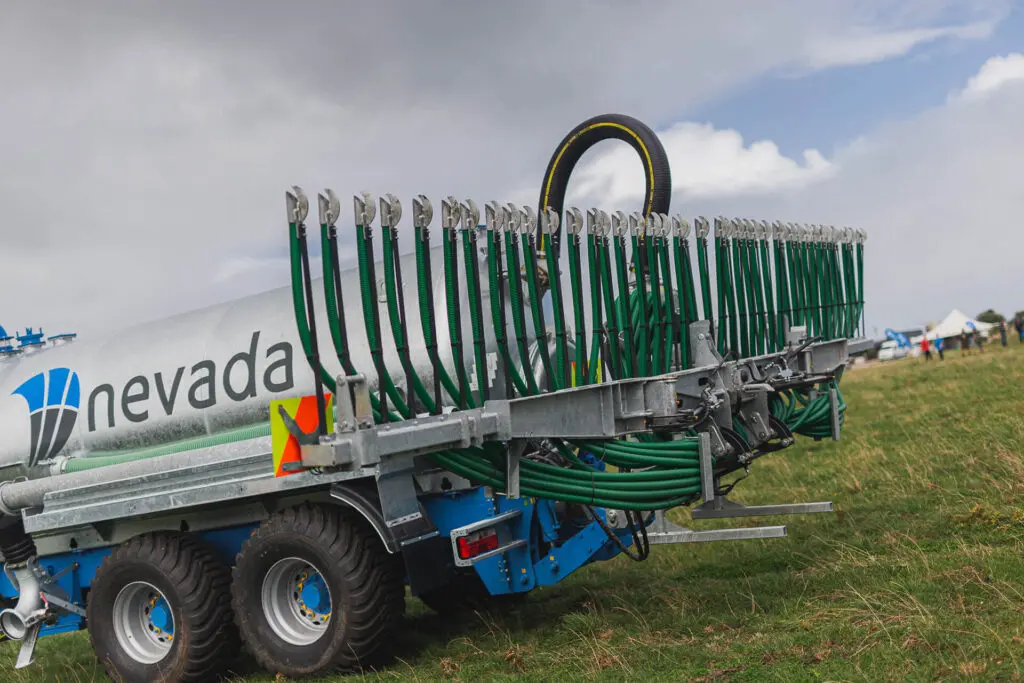
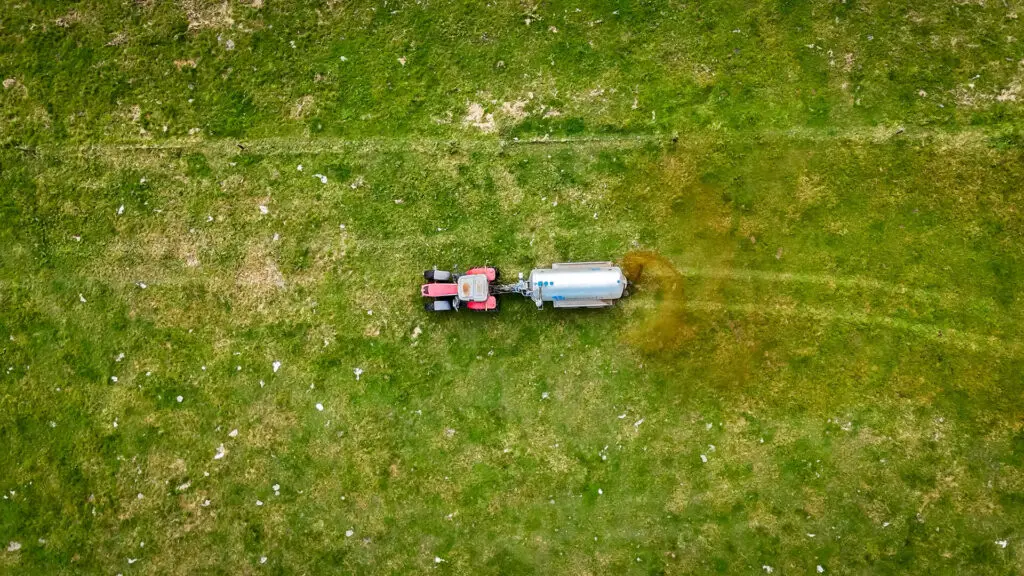
A slurry tanker gives you much more control over where and how much effluent you apply. You can see exactly how much you’re spreading from the cab, making it easier to adjust application rates and reduce the risk of run-off.
Because of the tanker’s manoeuvrability and controlled application, you can also work closer to boundaries, roads and waterways while managing where effluent is placed.
If your tractor has GPS, you’ll know exactly where you’ve been, providing useful information for compliance.
It can also be highly efficient to apply effluent to the paddock the cows have just grazed. Grass has a good chance to recover when you return nutrients promptly, and a tanker makes it easy to incorporate spreading into your normal farm routine. You have to move the cows anyway, so why not take the tanker with you and get two jobs done at once?
Picking the right-sized tanker depends on several factors, including the topography of your farm, herd size, the volume of effluent you need to move and, importantly, the power of your tractor.
As a general rule of thumb, you’ll need around one horsepower for every 100 litres of effluent. That means a 10,000-litre tanker needs approximately a 100-horsepower tractor, while a 15,000-litre tanker needs around 150 horsepower.
Capacity isn’t the only consideration. Consider how far the tanker will need to travel, paddock conditions, and how frequently you’ll be spreading. The goal is to choose a tanker that gives you useful capacity without exceeding what your tractor or farm conditions can comfortably handle.
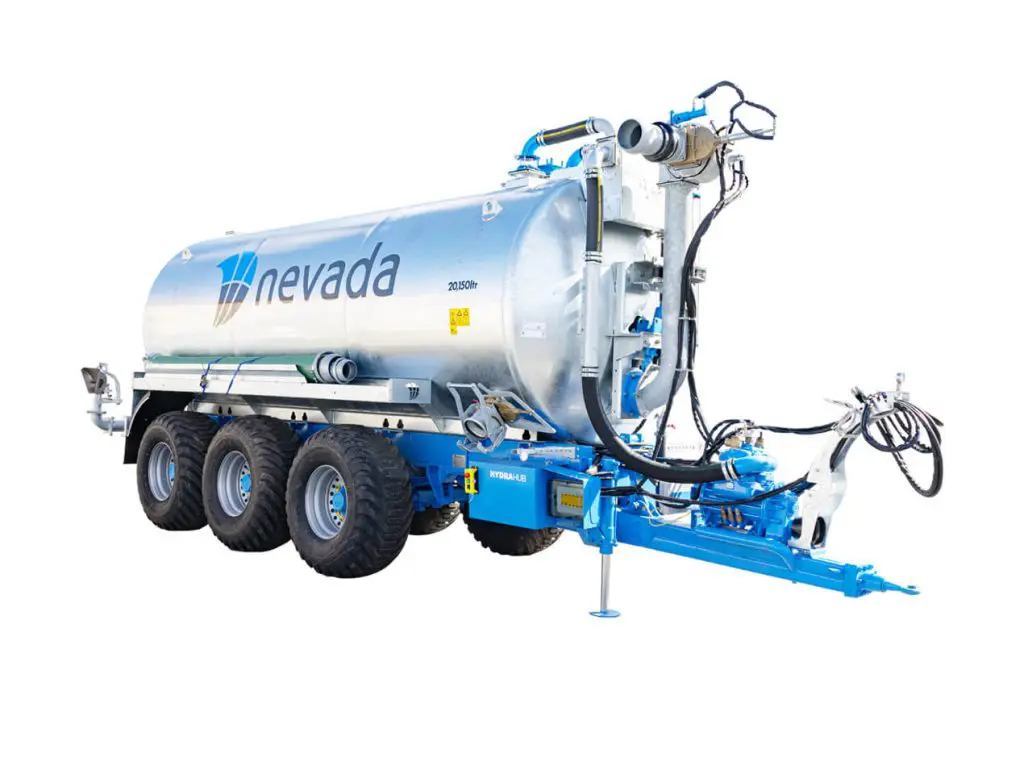
Whatever size tanker you choose, manoeuvrability and stability are important, particularly when carrying large volumes of effluent across uneven farm terrain.
Nevada tankers are fitted with large flotation tyres to spread the load and help minimise paddock damage. They also feature axle suspension and drawbar suspension, along with brakes on all wheels.
Tandem and triple-axle tankers feature a steering axle at the rear, helping larger tankers move more easily around the farm. Large internal baffles help prevent surging as the tanker moves.
Together, these features provide a smoother ride and make larger-capacity tankers easier to handle.
The cost depends on the capacity and specifications you choose. Tank size is one consideration, but axle configuration, pumping setup, applicator choice and other optional features will also influence the overall investment.
Rather than choosing an effluent tanker based on capacity or upfront cost alone, consider the complete setup. Matching the tanker to your tractor, farm terrain, effluent volumes and preferred spreading method can help you get better value from the equipment over its working life.
Speaking with an experienced supplier can help you compare configurations and decide which features are worthwhile for how you intend to use your tanker.
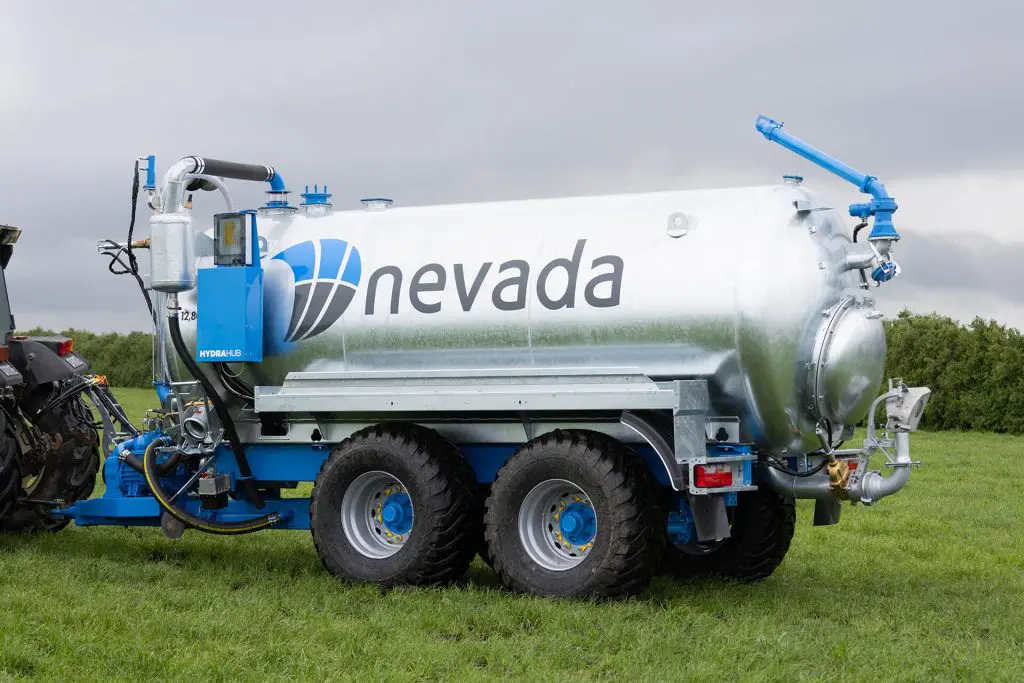
The 21st-century slurry tanker is a completely different beast from the one farmers used in days gone by. It’s efficient, and you only need one tractor and one staff member.
It loads and spreads quickly, saving you time and hassle. It’s clean, with everything controlled from the tractor cab, and lets you spread effluent across more of the farm. By making better use of the nutrients already available in your effluent, it can also potentially save thousands of dollars in synthetic fertiliser costs.
Want to hear from a farmer already using one? Find out what Scott Connell thinks of his 10,000L tanker.
If you want to learn more about slurry tanker sizes, features and options, or discuss which tanker is right for your farm, call the Nevada sales team on 0800 464 393.
"*" indicates required fields
"*" indicates required fields
"*" indicates required fields
"*" indicates required fields