When we returned to Ben Johnson and Mackenzie Priest-Johnson’s Riversdale dairy farm in 2026, Ben told us they had cut two full rounds of synthetic nitrogen fertiliser in the previous season while producing 10,000kg more milk solids.
We first visited the father-and-daughter team in June 2024, about a month after they bought their Nevada slurry tanker and pond stirrer. They were already getting effluent onto paddocks their old irrigator could not reach. Two full seasons and more than 1,000 loads later, the growth following those applications had given Ben the confidence to change his fertiliser programme.
In 2024, Ben and Mackenzie described a 135-hectare farm with flat to easy-rolling paddocks and a lined two-pond effluent system. Their hard-hose cannon and electric pump could reach only around 70 hectares, leaving close to half the farm outside its coverage.
They liked aspects of the old system, but its reach no longer suited what they wanted to do.
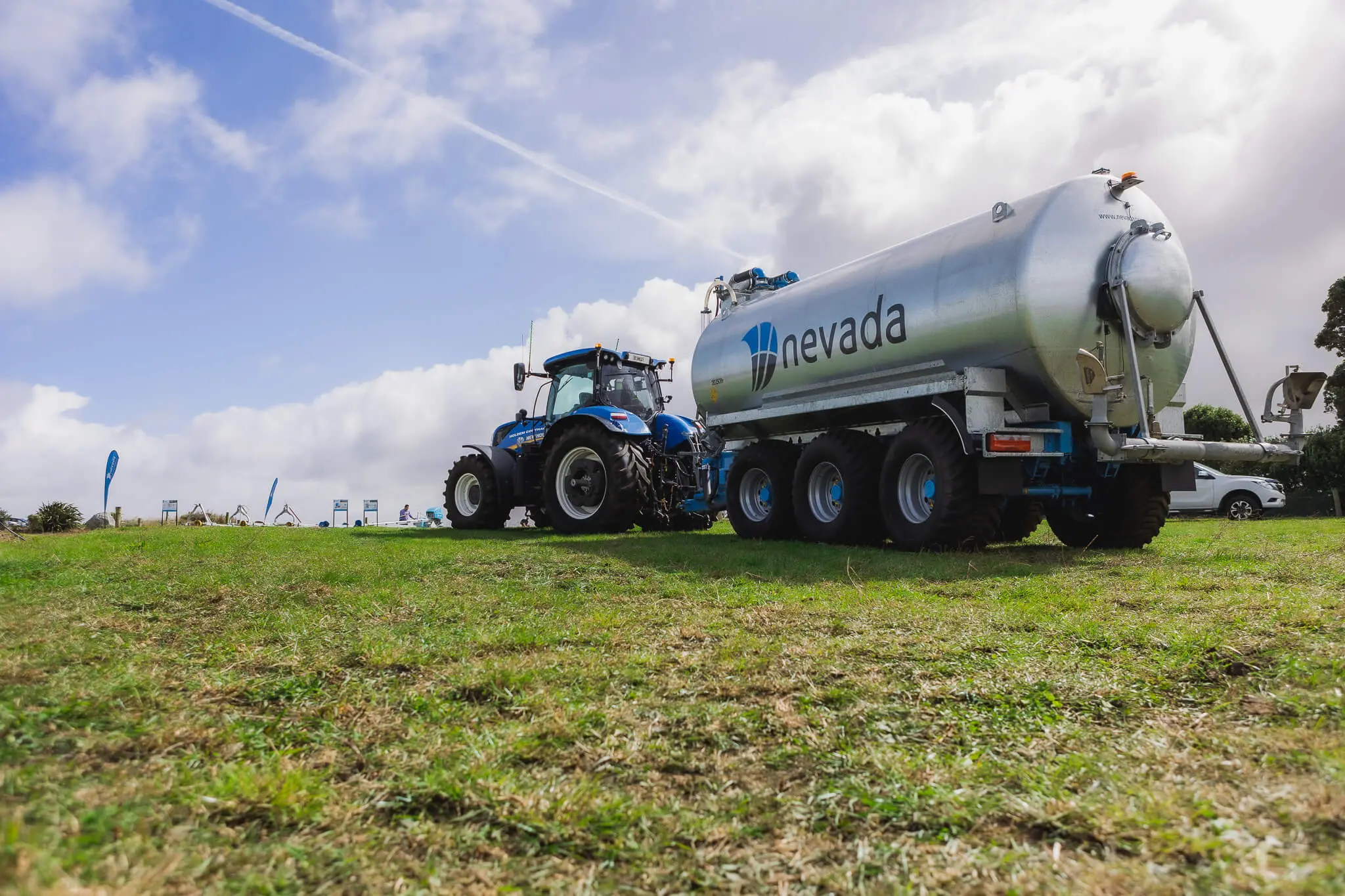
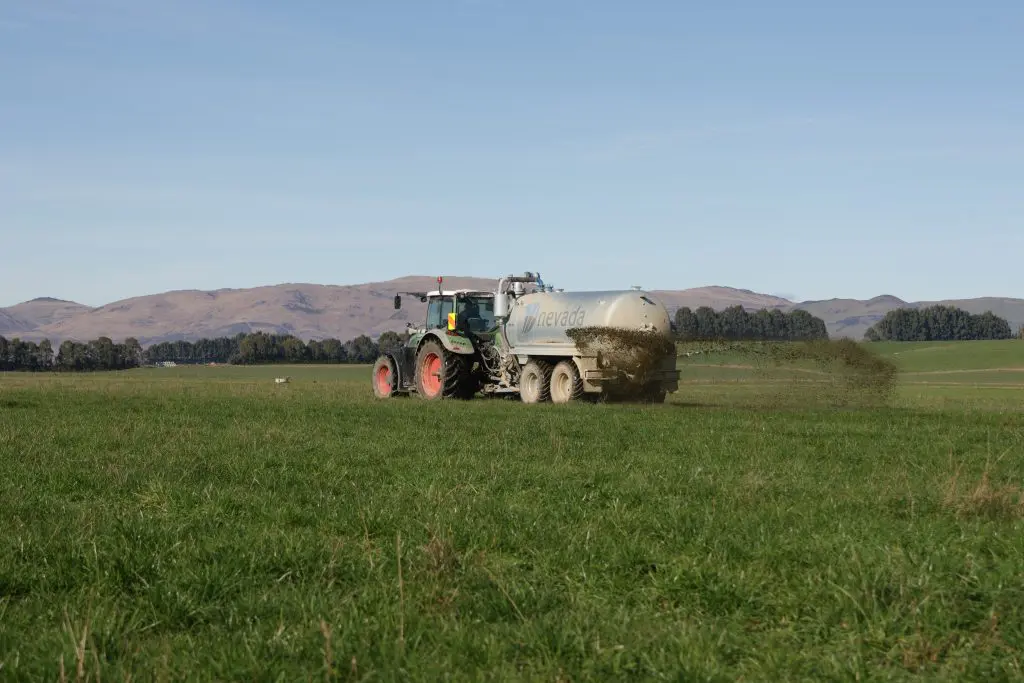
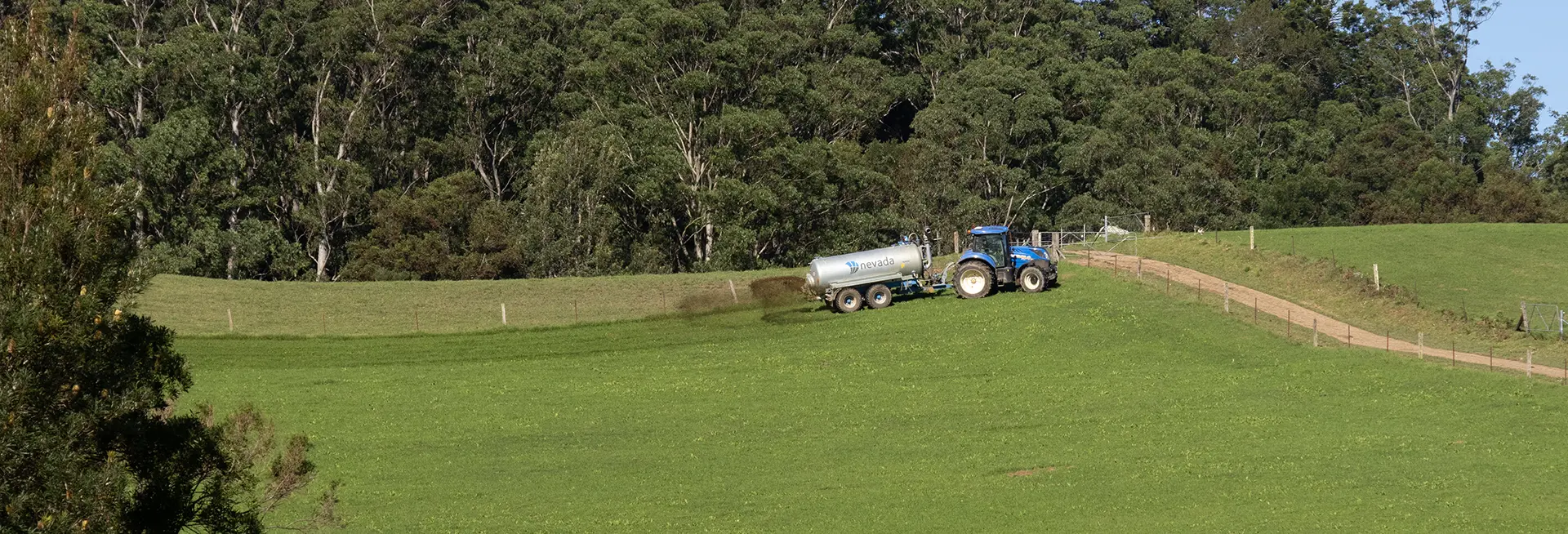
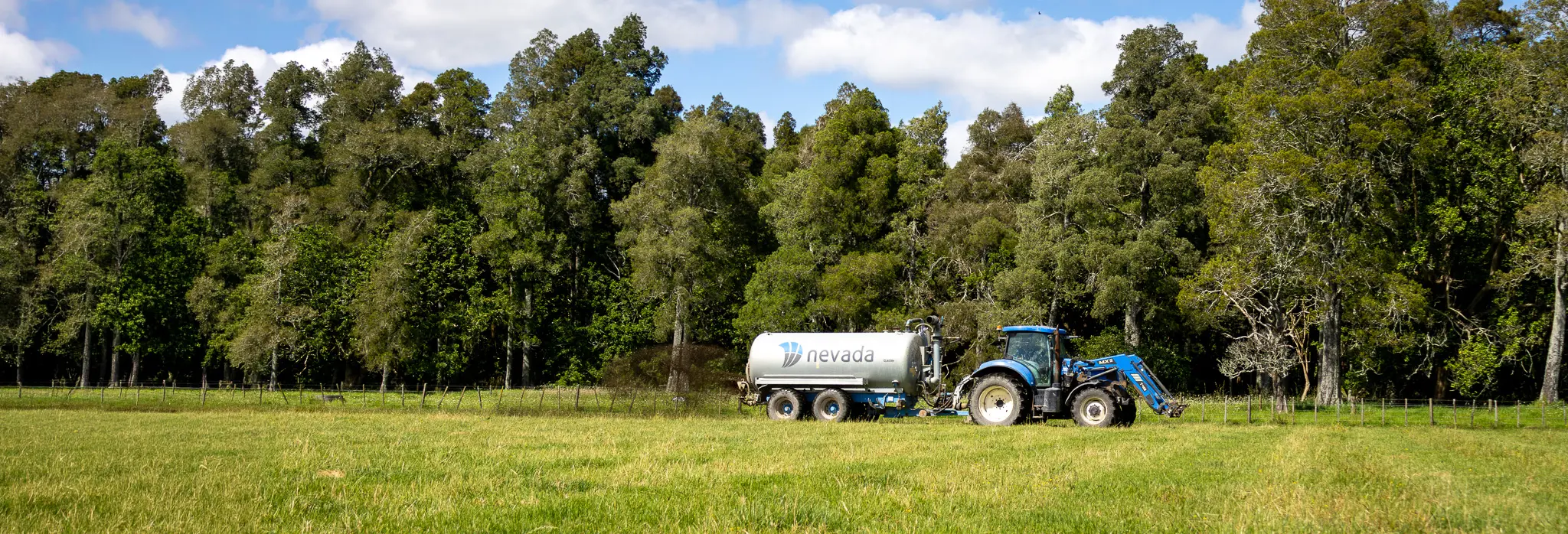
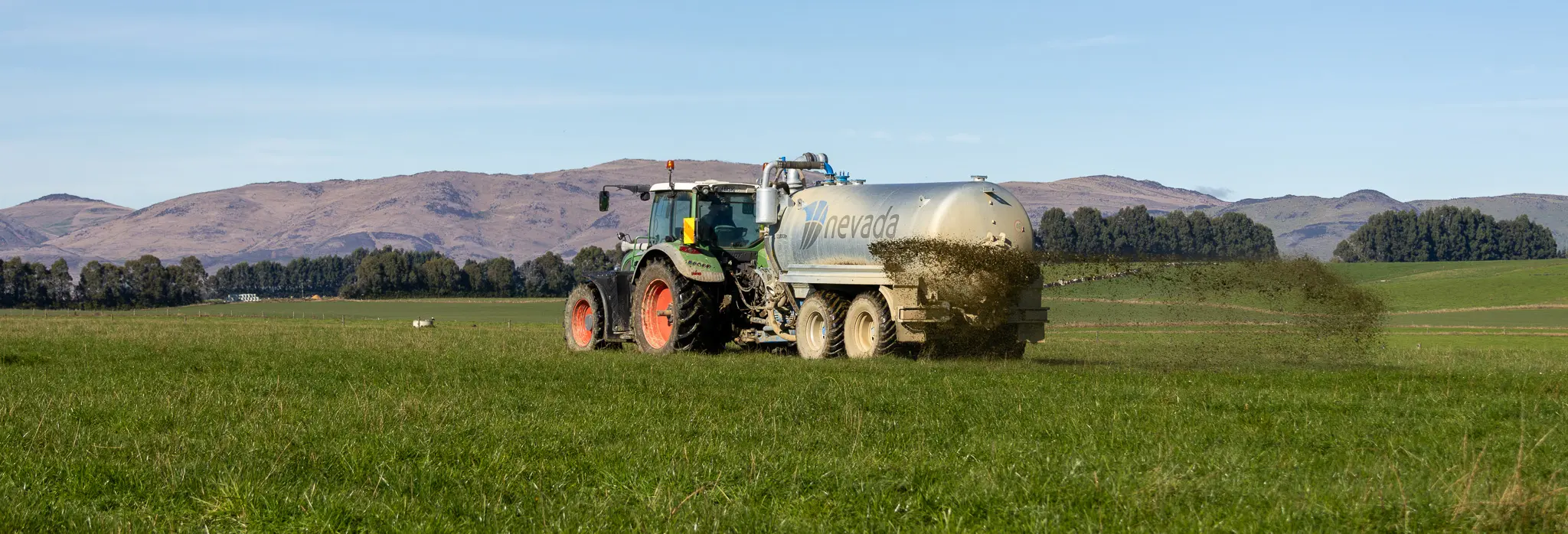
Their Nevada 12,800L Tandem Slurry Tanker, fitted with a RainWave™ applicator, gave them access to paddocks beyond the irrigation lines. At our first visit, that freedom was one of the benefits Ben highlighted: they could choose where the effluent went.
By the 2026 follow-up, they reported completing three rounds of effluent across the farm each season.
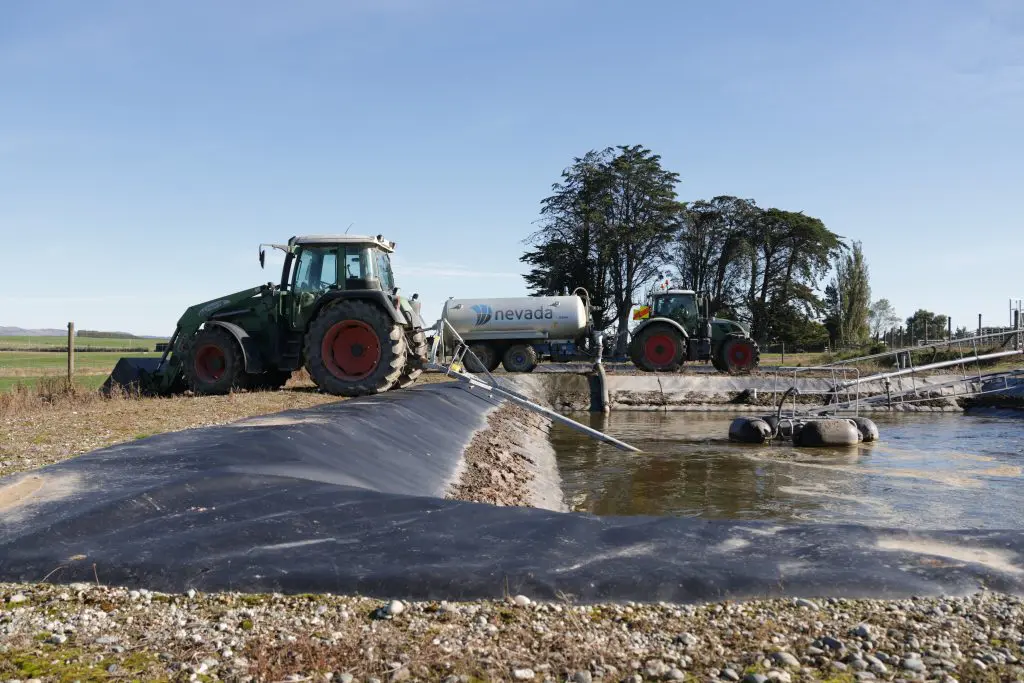
Coverage was only part of the problem. With their previous setup, Ben and Mackenzie were drawing mainly liquid from the pond while crust and settled material remained behind.
Adding the TurboStir™ 6000 PTO Pond Stirrer helped them mix that material into a more consistent slurry for the tanker to collect. They could remove more of the nutrient-bearing solids along with the liquid.
Two seasons later, Mackenzie still saw stirring as central to the result:
“The role of the stirrer is really important to get a consistent spread across all the paddocks on the farm.”
At the follow-up, Ben also shared nutrient test results received just before filming. At their reported application rate of 36,000–38,000L/ha, those results indicated approximately:
During the first visit, Ben and Mackenzie were already noticing a response after spreading mixed effluent. With more time using the equipment, those observations became important to their fertiliser decisions.
Ben explained the connection when we returned:
“The growth rates that we were seeing behind the effluent applications with the tanker gave me the confidence to pull back on the nitrogen inputs and saved us a heap of cash flow.”
They removed two complete rounds of synthetic nitrogen fertiliser in the season he described. Over that same season, Ben reported an increase of 10,000kg of milk solids.
In 2024, Ben estimated their old cannon applied around 120m³ over an eight-hour, 400-metre run. The tanker could apply about 300m³ in the same period. That is 2.5 times the volume, based on those early estimates.
Mackenzie also appreciated the straightforward hydraulic controls and fewer blockages to deal with. She even joked that Mum was happier with the washing.
By 2026, Ben could put a figure on the seasonal workload: approximately 120 hours of effluent spreading, or around 12–15 hours a month from September to May. He also reported fuel use of about 9.5 litres an hour with their setup.
“Effluent spreading doesn’t dominate our time schedule,” he said. “We can do it when we choose.”
Dairy effluent can offset some purchased fertiliser when its nutrient contribution is matched to what the paddock needs. Getting that value depends on the whole process, from pond mixing through to application timing and rates.
For another farm, the starting point is to test the effluent, check soil fertility and review the nutrient programme with an adviser. Account for effluent nutrients before deciding what fertiliser still needs to be purchased. Application must also suit soil moisture conditions and the farm’s consent requirements. DairyNZ’s effluent management guidance explains the importance of getting the amount and timing right. For more on application rates and timing, see DairyNZ’s effluent management guidance.
When comparing costs, include equipment, fuel, maintenance and staff time alongside any reduction in purchased fertiliser.
Ben and Mackenzie also said they felt more confident managing their effluent compliance with Environment Southland. After two seasons of loading, stirring and spreading, Mackenzie summed up their experience:
“There’s no way we could see ourselves going back to the old system, having the tanker and stirrer. It’s been a game changer and saved a lot of headaches.”
Watch their first visit in 2024 and 2026 follow-up story to hear from Ben and Mackenzie themselves.
Want to make better use of the effluent already on your farm? Talk to the Nevada team about a stirring and spreading setup suited to your pond and paddocks.
"*" indicates required fields
"*" indicates required fields
"*" indicates required fields
"*" indicates required fields