Slurry Tanker Corrosion Prevention & 3 Must Haves

A slurry tanker is a long-term investment, so getting the fundamentals right matters. This guide outlines three non-negotiables to look for, including corrosion-resistant galvanised steel, a full chassis for larger tankers, and an applicator that delivers a consistent, even spread to support compliance and long-term performance.
If you want a slurry tanker that lasts and keeps you compliant, there are three non-negotiables: galvanised steel inside and out, a full chassis for anything over 8,000L, and an applicator that gives a consistent, even spread.

Simply put, if you want a slurry tanker that will get the job done, keep you compliant, and last a lifetime, there are 3 essential components to look for. Alongside heavy duty coatings for tankers and keeping corrosion prevention in mind, if your slurry tanker doesn’t have these, it simply won’t go the distance.

1. Choose Galvanised Steel for Corrosion Resistance

For a slurry tanker to last, it must be built to be corrosion-resistant inside and out. While the coating on the outside protects it from the elements, the inside is even more important. Effluent is highly corrosive, and without a high level of corrosion resistance on the inside, pitting will occur, and your tanker will rust from the inside out. Not only will this drastically reduce the life of your tanker, but there is a high risk of implosion as the metal becomes thin.

Recommendation: Look for a slurry tanker with heavy duty galvanisation inside and out.  Galvanising is the most proven method for long-term corrosion resistance, is no more expensive than other methods, and is a permanent solution. A lacquer coating will further protect the galvanisation, make the tanker easier to clean, and, most importantly, keep it looking better for longer!
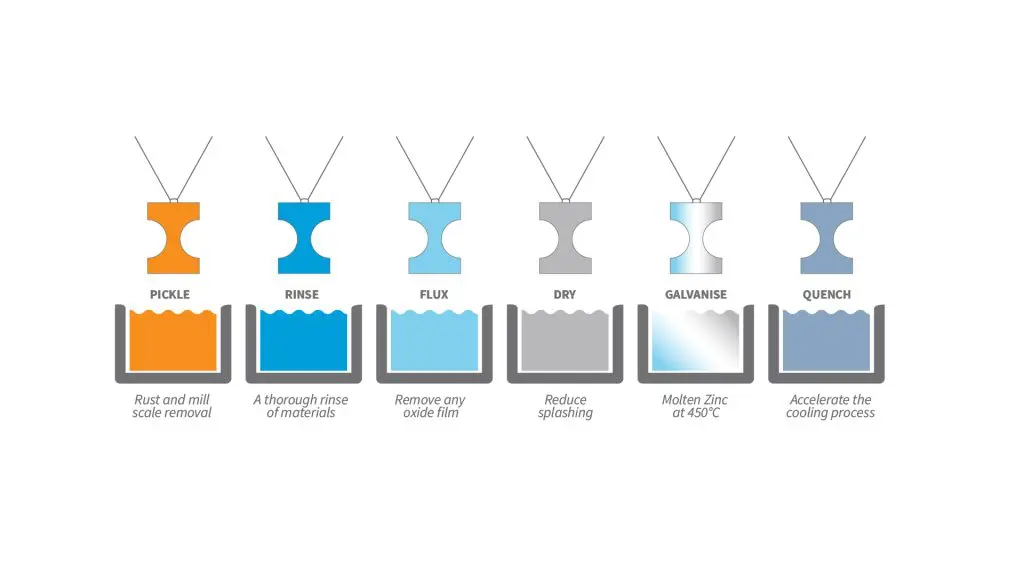
Illustration of the galvansing process used on Nevada Slurry Tankers
Slurry Tanker Corrosion Prevention & 3 Must Haves 4

2. The Chassis

Any slurry tanker over 8,000 litres requires a separate full chassis and drawbar from the tank itself. This provides adequate shock absorption from undulating terrain and reduces shock loading transmitted to the drawbar.

With a partial chassis, the drawbar is integrated with the tank. This means the tank now becomes part of the machine’s integral structure, and stress is transmitted through the tank. Given that a slurry tanker is a pressure vessel, this is not ideal and is only suitable for slurry tankers 8,000 litres or smaller.

Recommendation: When choosing a slurry tanker over 8,000 litres in size, make sure it is manufactured with a full chassis.
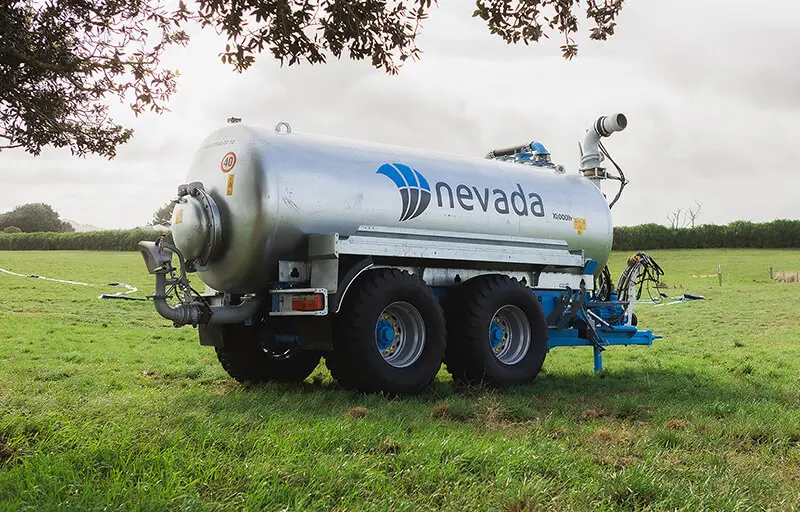
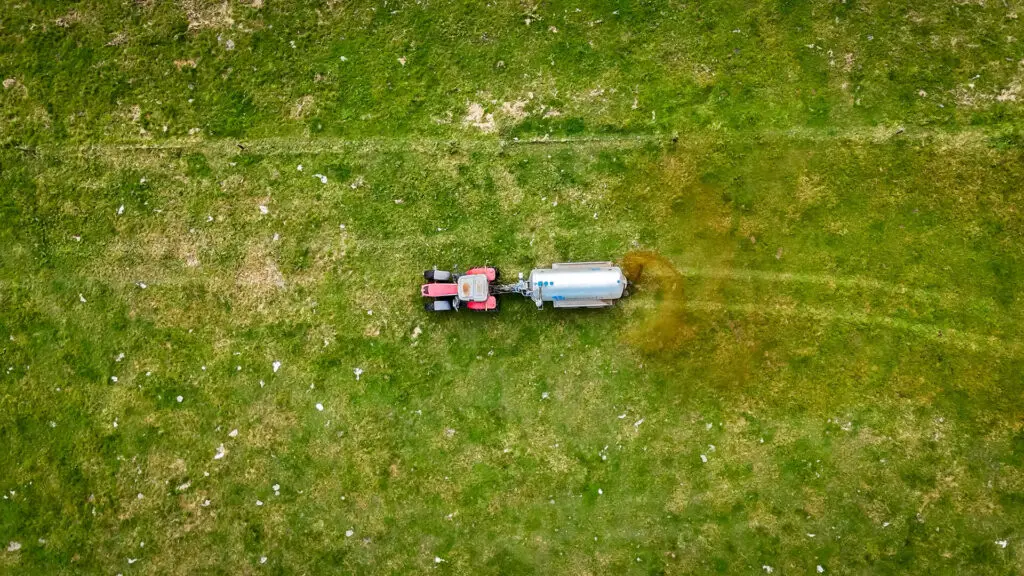
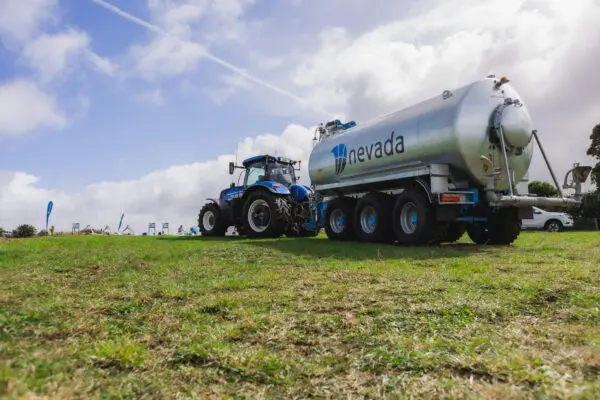
Nevada Tandem Axle Slurry Tanker
Slurry Tanker Corrosion Prevention & 3 Must Haves 5
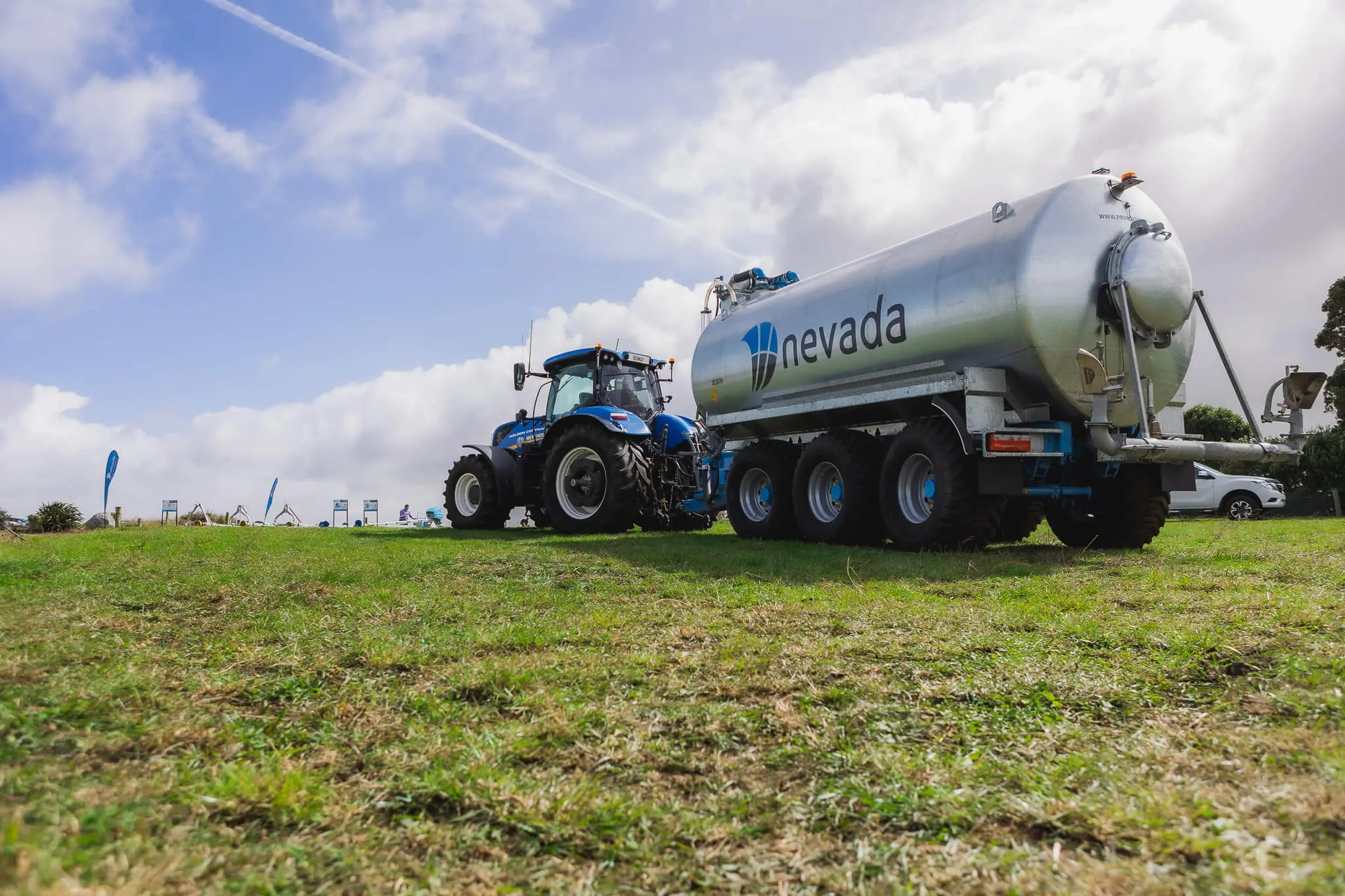
Nevada 12,800L Slurry Tanker
Slurry Tanker Corrosion Prevention & 3 Must Haves 6

3. Even Application

Just as important as how it’s built, is how it functions. An even spread is critical for a number of reasons:

  • You want your nutrients to be spread evenly and consistently across all areas of the farm. This is important for soil nutrition as well as helping to prevent run-off.
  • Council compliance – as different rules come into play, it is becoming more and more important to know what nutrients are being spread, and how much. Many farmers are getting ahead of the game by regularly testing the pond/storage nutrients after mixing and before spreading for greater control and more accurate nutrient application.
  • With slurry tanker applicators, an even spread usually goes hand in hand with having good control over your application (after all, it would be difficult to achieve an even spread if the application were susceptible to wind drift). Better control means you’re able to confidently spread within waterway boundaries or any other restrictions.

Recommendation: Don’t get complacent when it comes to the spreading applicator of your slurry tanker. Make sure the applicator is manufactured to provide an even, accurate, and consistent spread of nutrients.

Looking to buy a Nevada Slurry Tanker?

Talk to one of our experts.

More Blogs

Getting the most out of your effluent system starts long before spreading. Correct stirrer placement plays a major role in how well solids are broken down, nutrients are suspended, and the slurry remains consistent. If a stirrer is poorly positioned, even the best equipment can struggle to deliver reliable results.
Choosing the right effluent storage option can make a big difference to your farm’s setup and council compliance. In this blog, we break down the different types of storage, pond liners, and what will work most effectively depending on your land, water table, and farm layout.
Choosing between a single-axle slurry tank, a tandem axle setup, or a triple axle setup depends on your farm’s terrain and workload. This guide explains how different axle configurations impact stability, safety, and performance, helping you choose the right slurry tanker for your specific needs.

Subscribe to our Newsletter