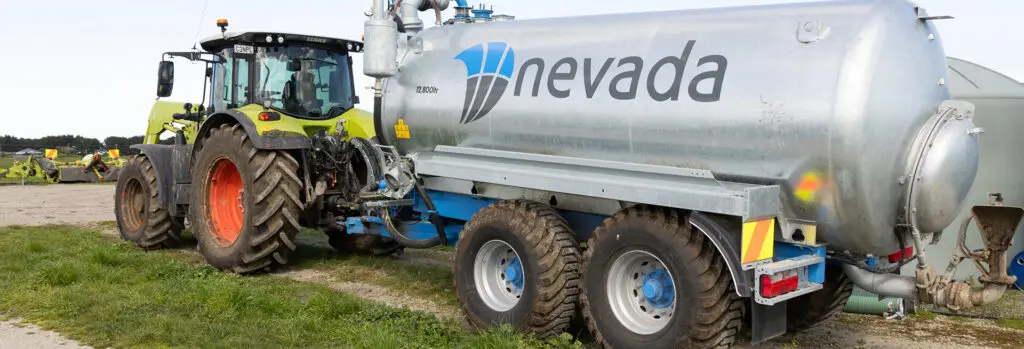
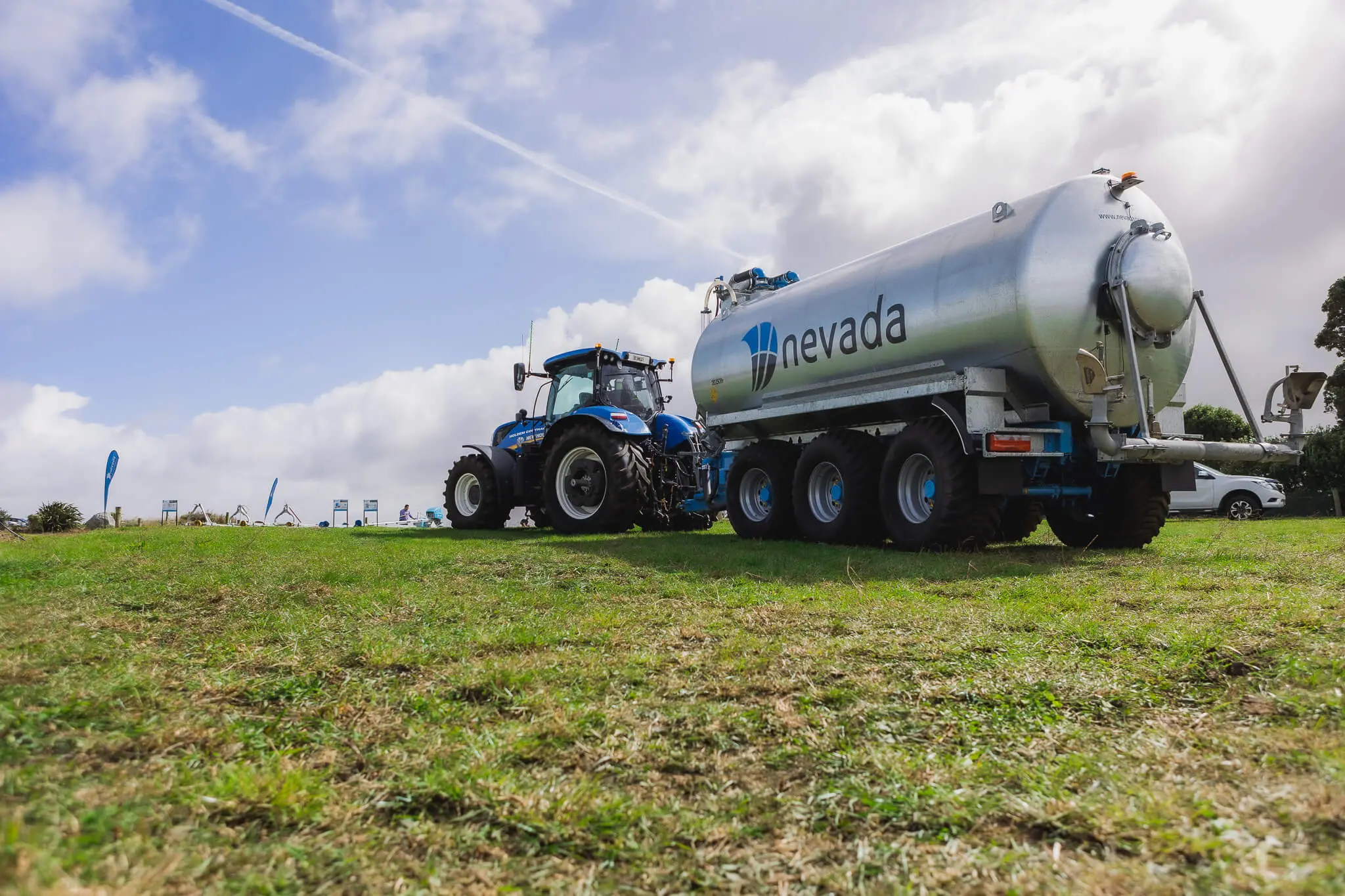
On-Road? If you’re thinking of carting your slurry tanker on the road, there’s a few things to be aware of: Give Yourself Room For Growth When following up with farmers a few months after getting their slurry tanker, we hear they love the tanker, but wish they’d gone the next size up. While the size […]
With the majority of Europe banning the use of splash plates for effluent spreading, a common concern for kiwi dairy farmers with slurry tankers is whether or not New Zealand councils will do the same. While we may not be able to predict the future, we can provide some good industry insights on the matter… […]
Galvanised steel lasts at least 5x longer than zinc paint as we’ll explain below. If you’re a farmer who wants to make smart choices, which if you’re reading this, we assume you are – GO GALVANISED. It really is the feature you can’t afford not to have – here’s why… 1. It’s More cost effective […]
When you’re running a slurry tanker vacuum pump overheating can cause serious damage and lead to big repair bills. Good stirring, the correct suction pipe size, and regular checks help keep your pump working at optimal levels. An overheated pump can halt productivity and lead to significant expense, so read on to follow our tips […]
It is often thought that slurry tankers are more expensive than pumps, but this is not normally so. With any pumping system there is also a reticulation system required. Slurry tankers enable you to apply effluent to the whole farm, so to make a full compression you would need to allow for at least 2,000 […]
Why Low Rate Effluent Application Matters One of the biggest challenges when applying dairy effluent is matching the application rate to the soil’s ability to absorb moisture. If effluent is applied faster than the infiltration rate, ponding and run-off can occur, particularly during wetter periods or on heavier soil types. This not only wastes valuable […]
Nevada slurry tankers have large hydraulic brakes on all wheels for added security; lights for highway use; durable axle suspension – which prevents jolts and impacts travelling through the tank; swivel toe hitch – reduces jarring over uneven terrain and added safety in case tanker tips sideways; hydraulic park stent – for quick and easy […]
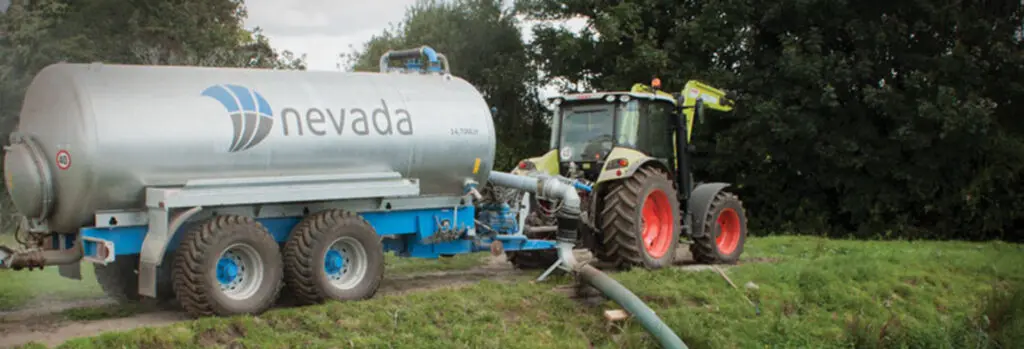
An 8in auto-fill system can be used to load the slurry tanker from the comfort and safety of the tractor cab. One hydraulic line operates several functions to activate the fast Nevada Ezi-load System. In a sequence of events the arm is lowered (Nevada auto-fill arms can be set to go to the left or […]
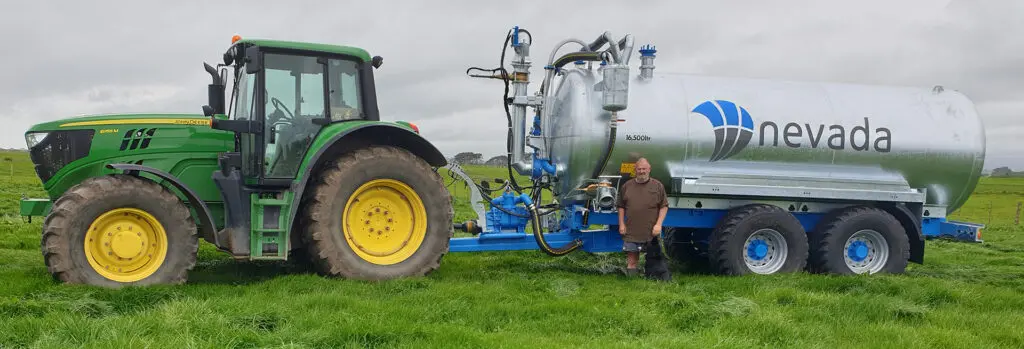
Aaron Broughton shares his experience using a 16,500L slurry tanker with Duo RainWave™ to spread dairy effluent across undulating paddocks in Taranaki.
Taranaki farmer Peter Denham shares how his slurry tanker is helping him make better use of dairy effluent across every corner of the farm.
Ross is impressed with how fast, easy and accurate the slurry tanker is…
Contract milker Vincent Trabasas explains how spreading effluent across the whole farm is helping Todd Dairies grow more grass, reduce in-shed feed and make better use of its nutrients.