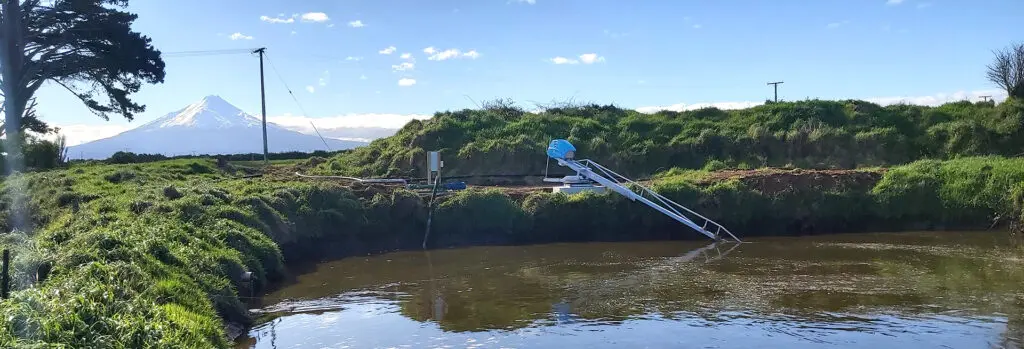
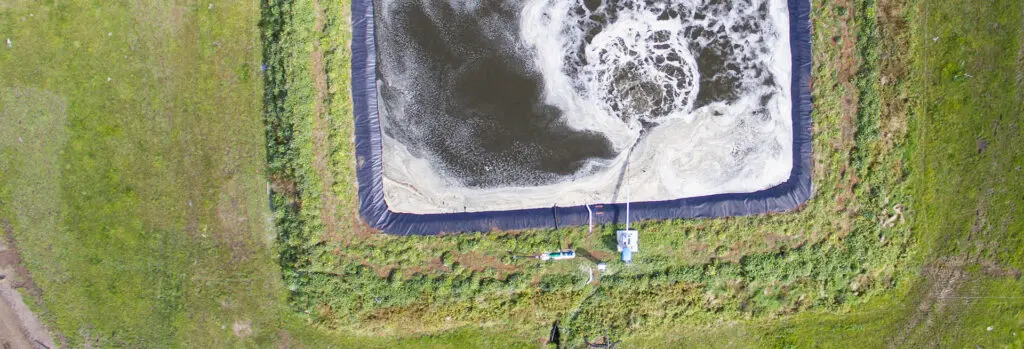
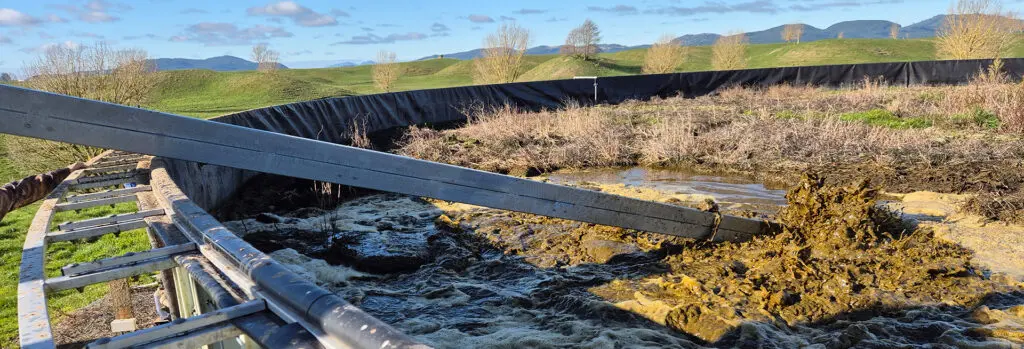
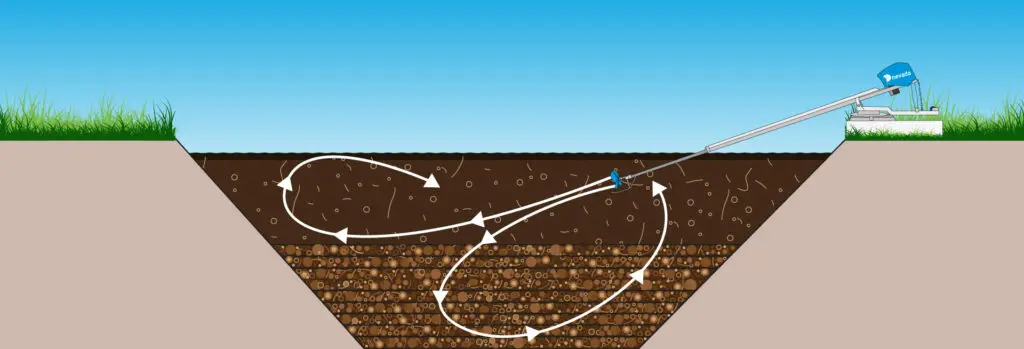
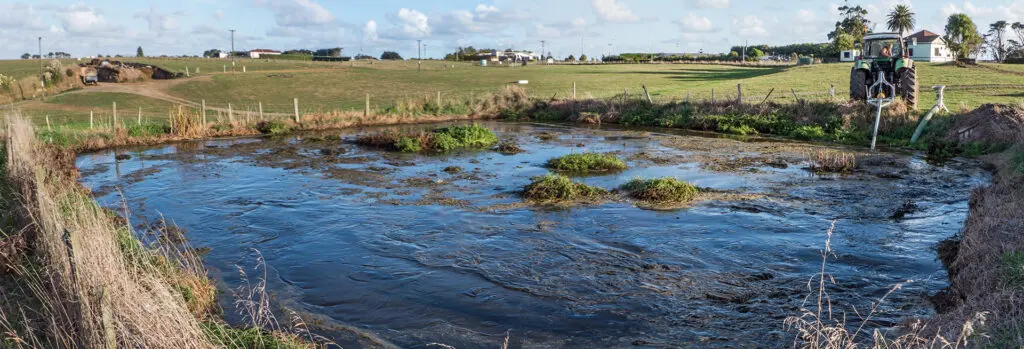
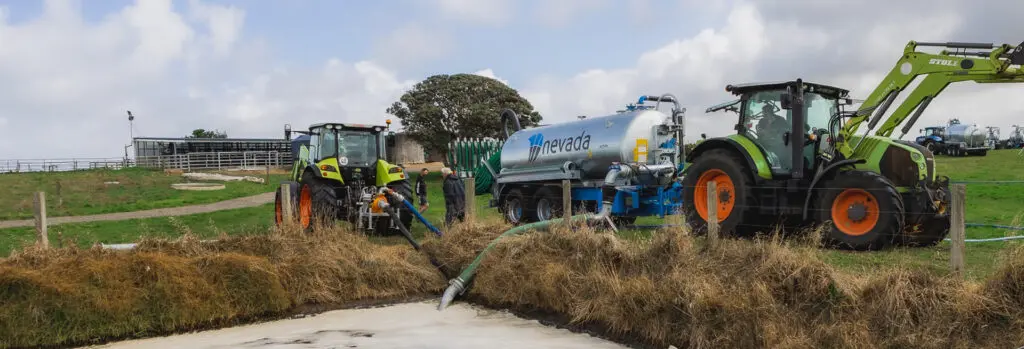
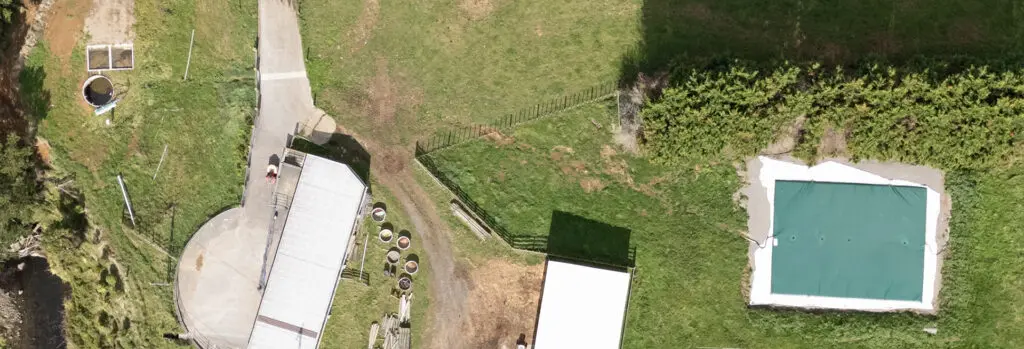
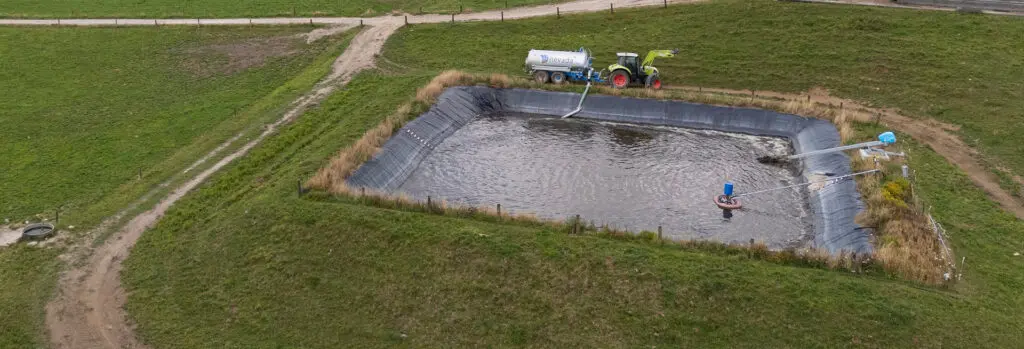
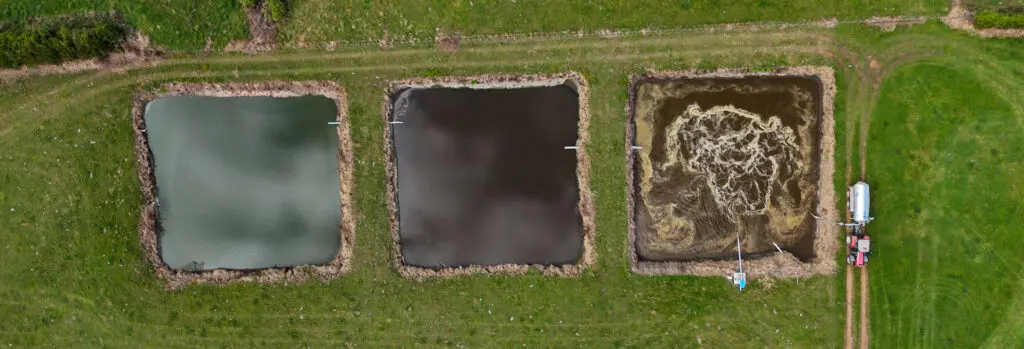
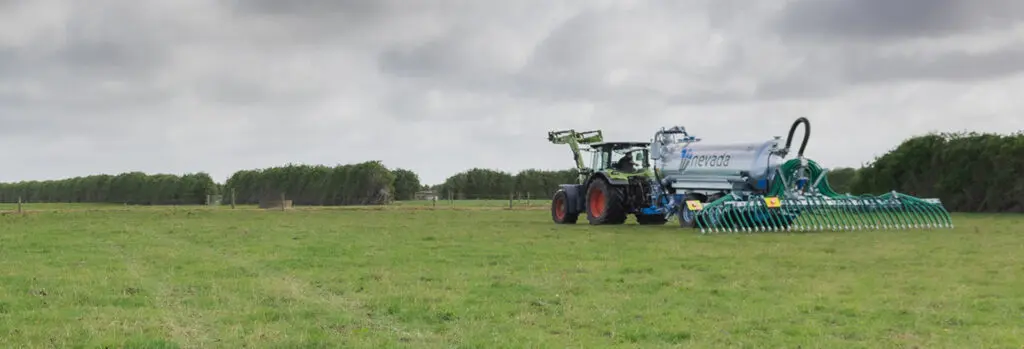
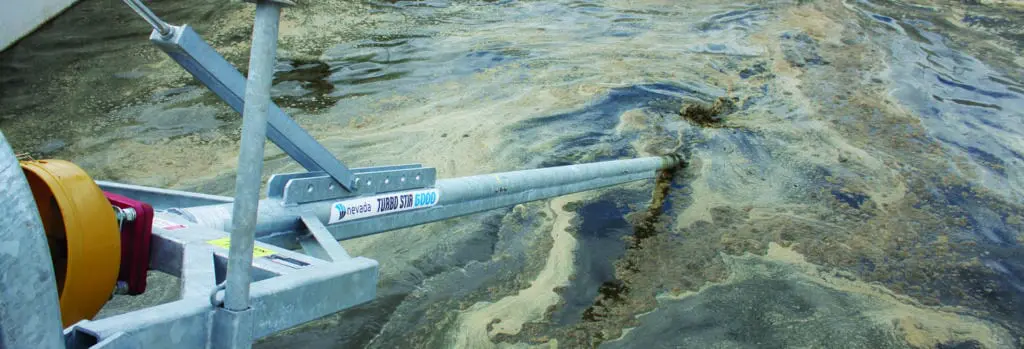
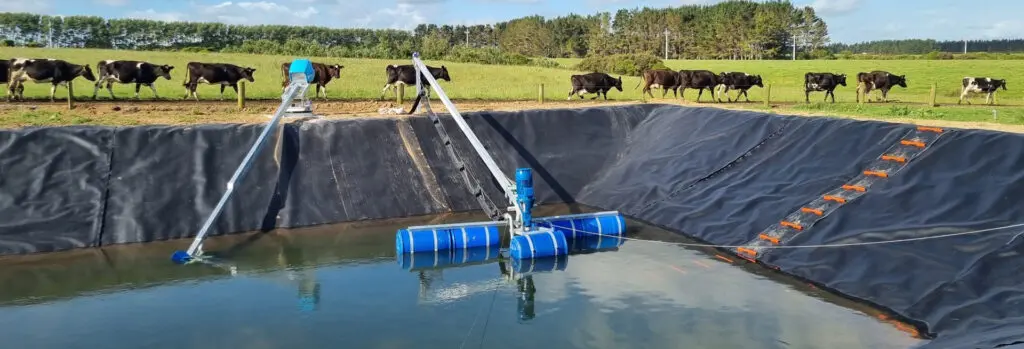
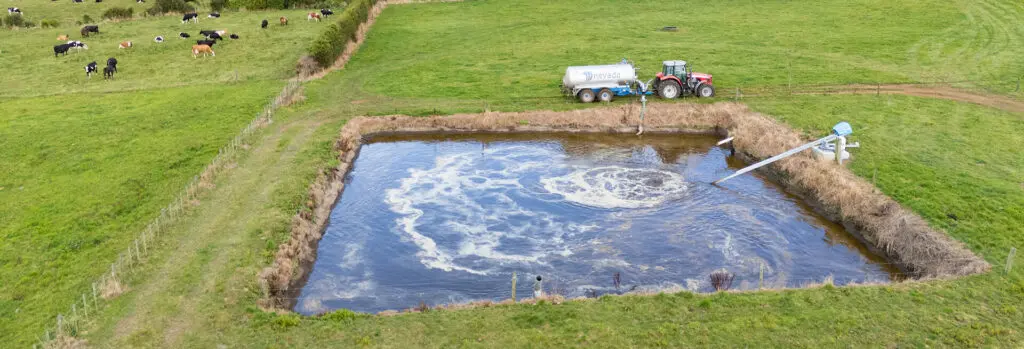
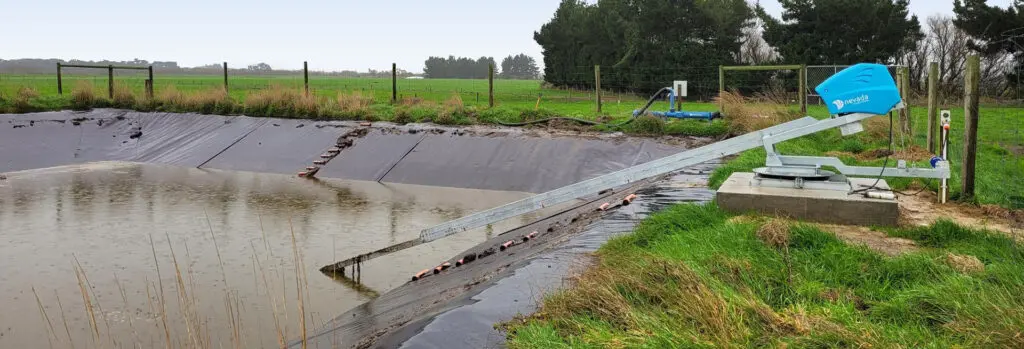
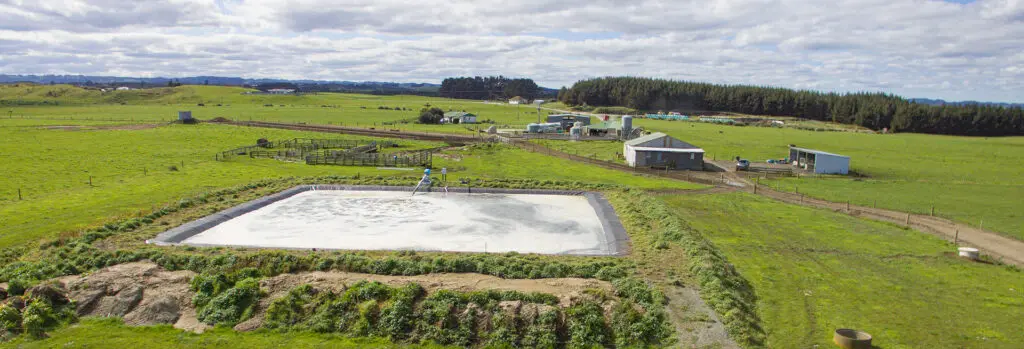
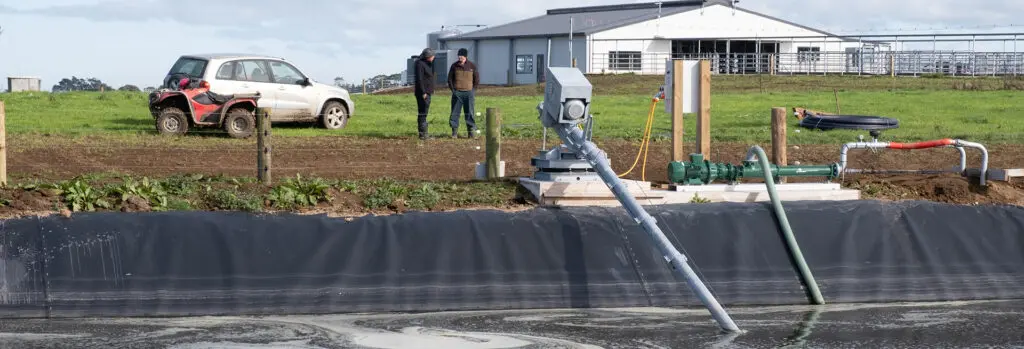
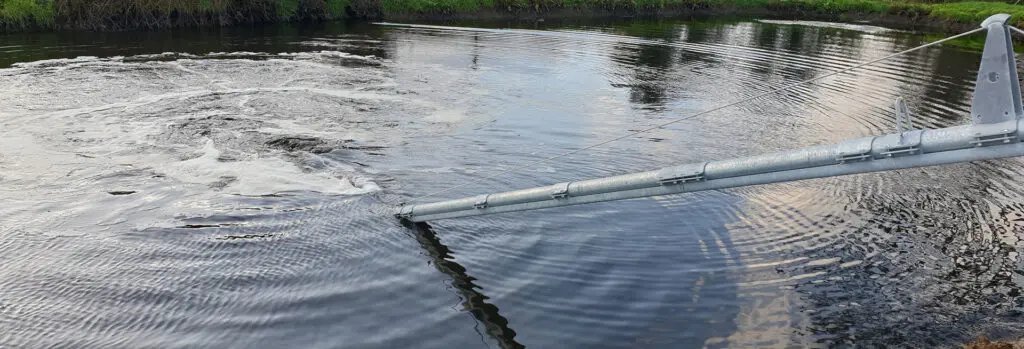
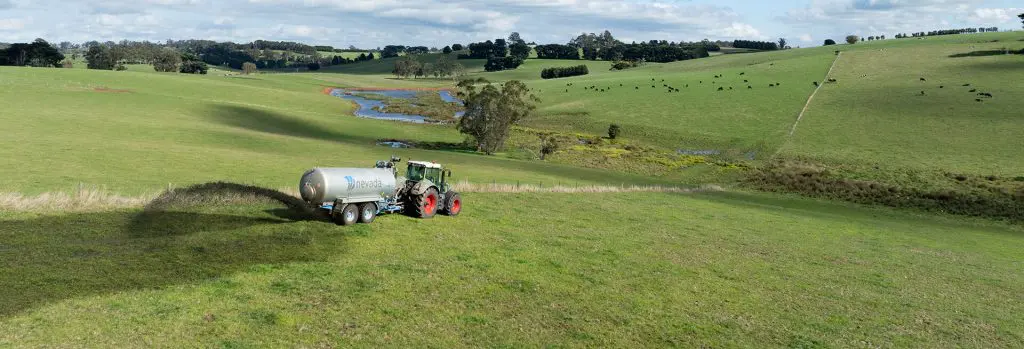
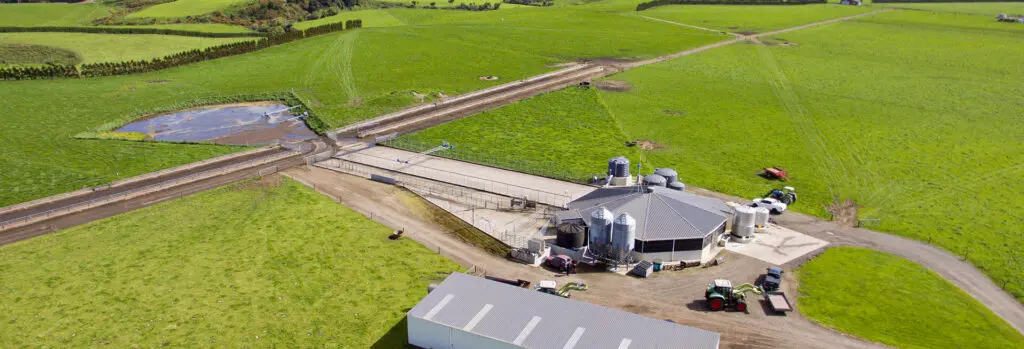
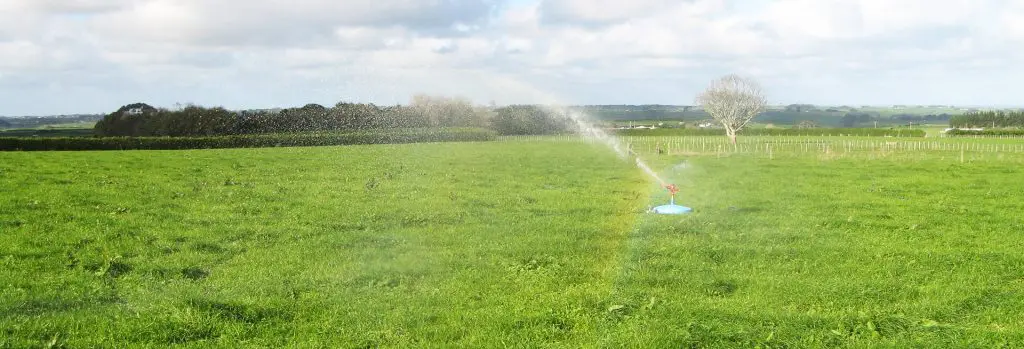
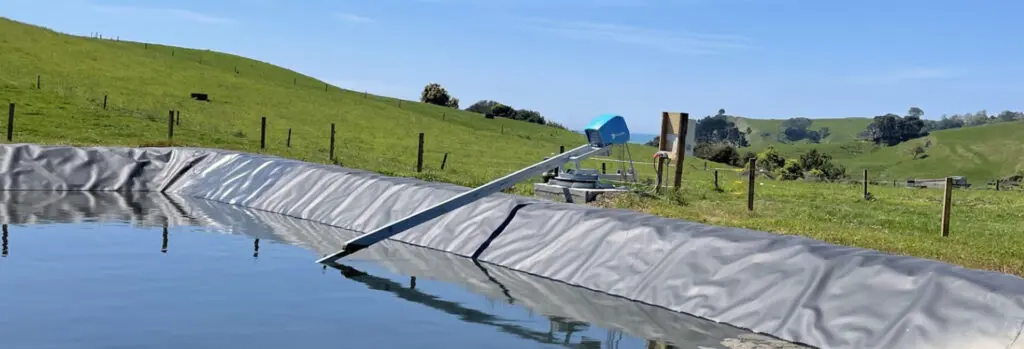
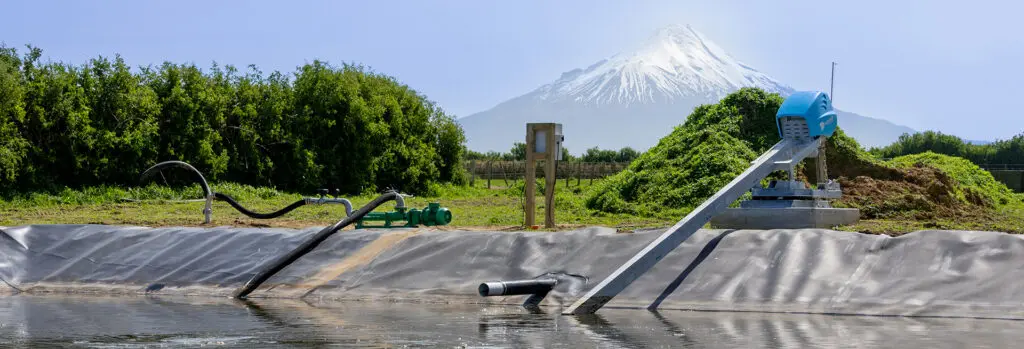
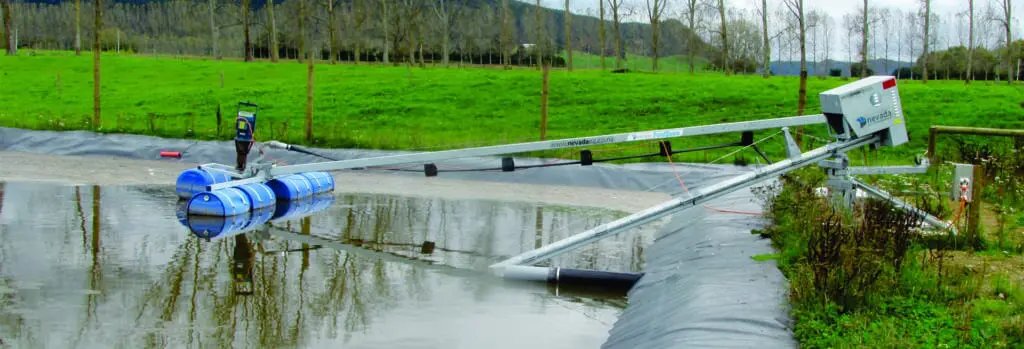
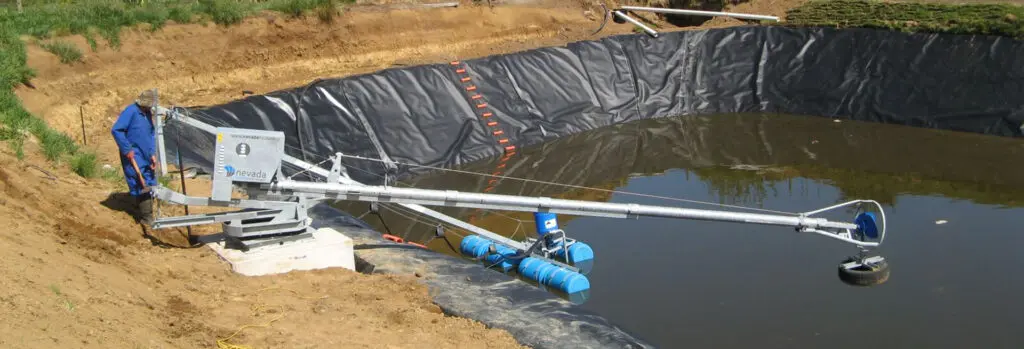
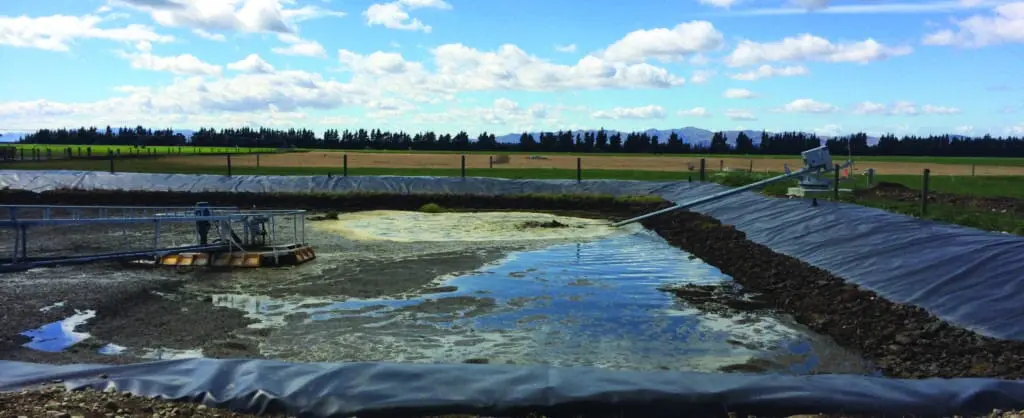
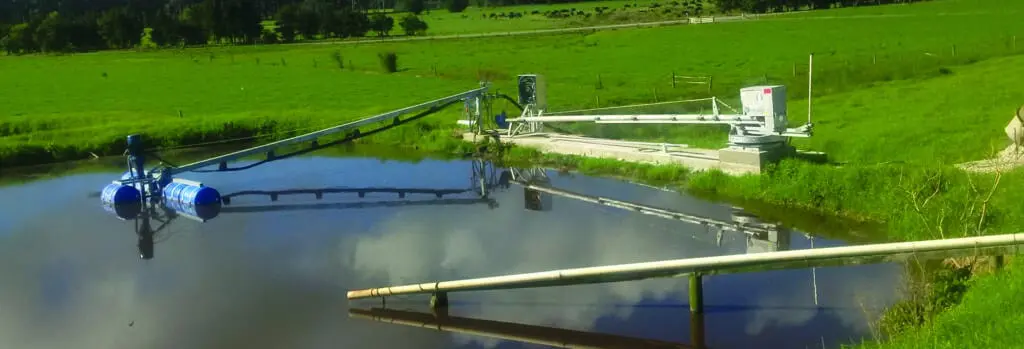
Understanding how pond layout, inflow points, and operating depth affect pond stirrer efficiency helps farmers avoid crusting, maximise the holding capacity of your effluent storage, reduce downtime, and achieve more predictable nutrient application. Why Stirrer Positioning Matters in Effluent Ponds Effluent ponds naturally separate over time. Heavier solids settle to the bottom, while lighter material […]
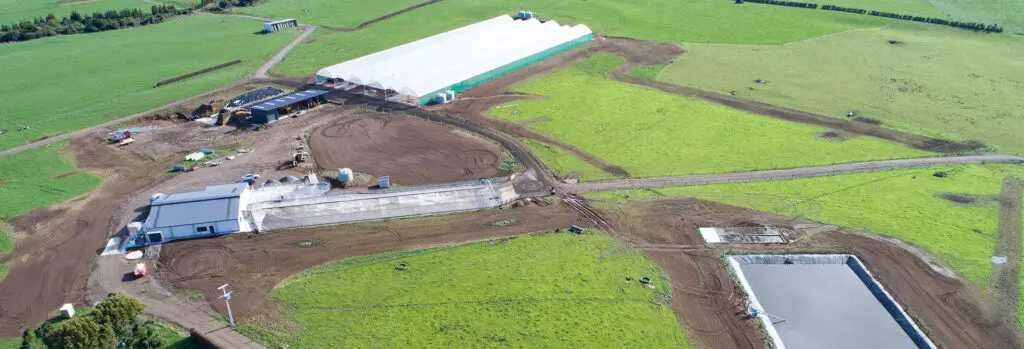
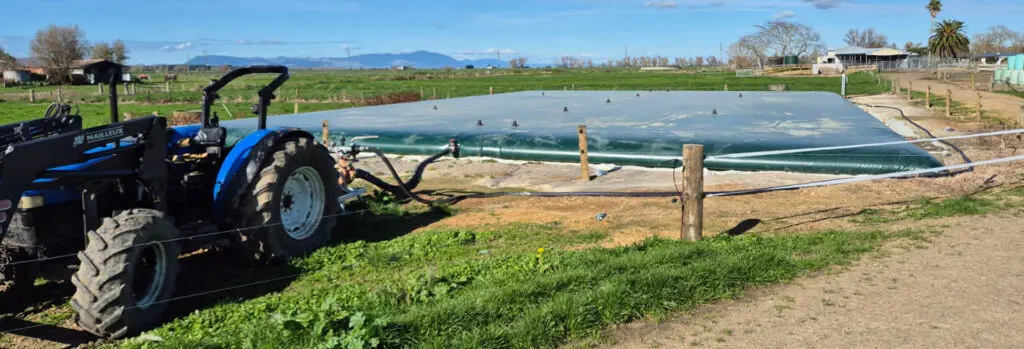
Effluent Storage Effluent storage on New Zealand dairy farms refers to specially designed systems—such as HDPE-lined ponds, above-ground tanks, or bladder tanks—that safely contain farm dairy effluent until it can be effectively applied to pasture. These solutions play a pivotal role in ensuring council compliance, reducing environmental risk, and improving operational efficiency. Broader capacity not […]
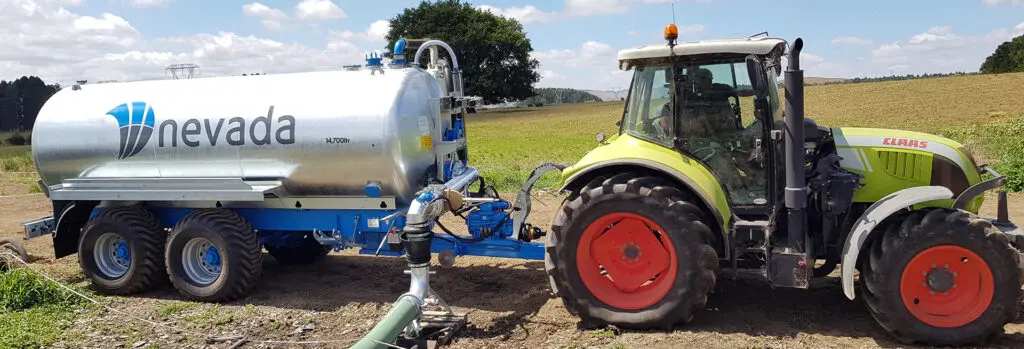
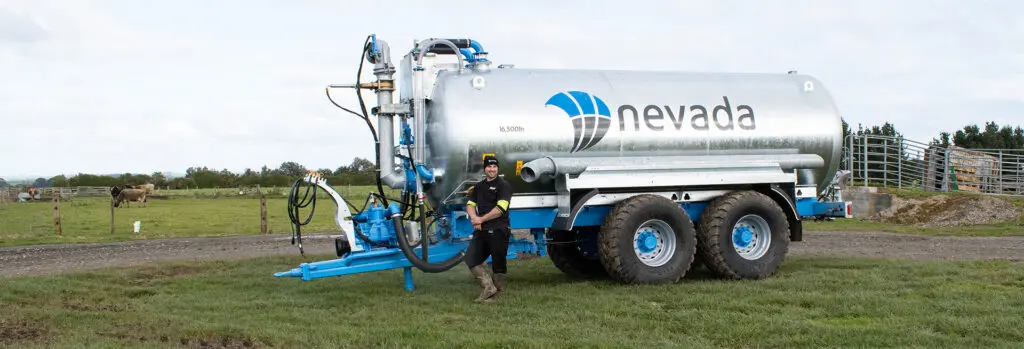
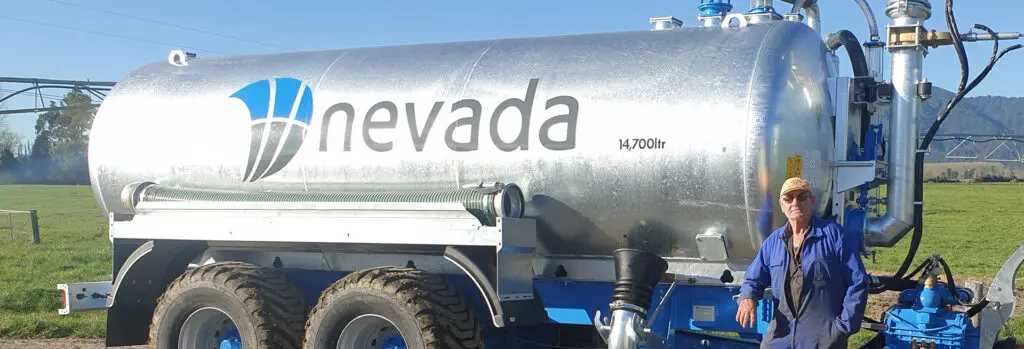
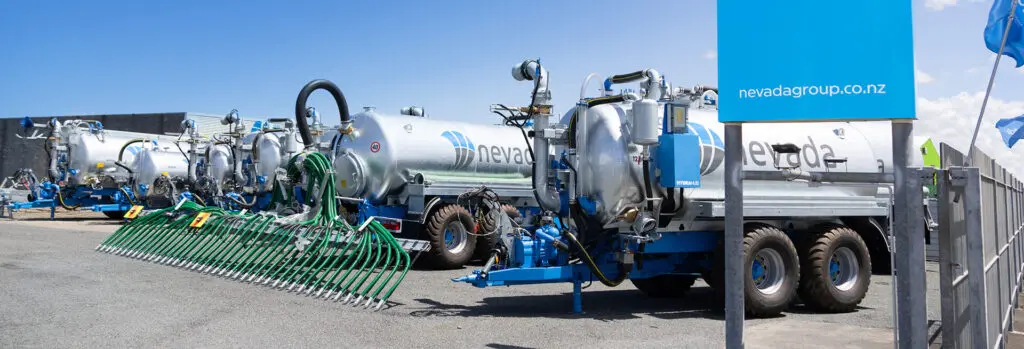
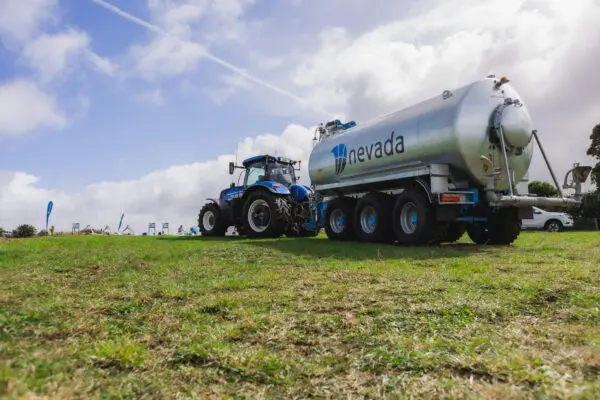
When choosing between single, tandem, or triple axle slurry tankers, it all comes down to size, stability, and terrain. Whether you want easy manoeuvrability or maximum load capacity, selecting the right axle setup makes a significant difference to both performance and safety. For many farmers, deciding between a single unit or a slurry tank 2 […]
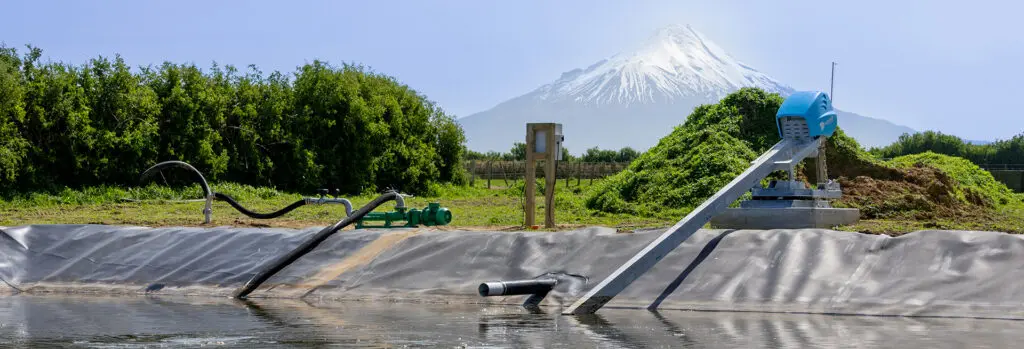
When comparing a progressive cavity pump vs centrifugal options, both serve different purposes depending on farm size, terrain, and effluent volume. While floating and long-shaft centrifugal pumps still have their place, a progressive cavity system is generally the smarter, more efficient choice for modern effluent management. Read on to learn more about how these pumps […]
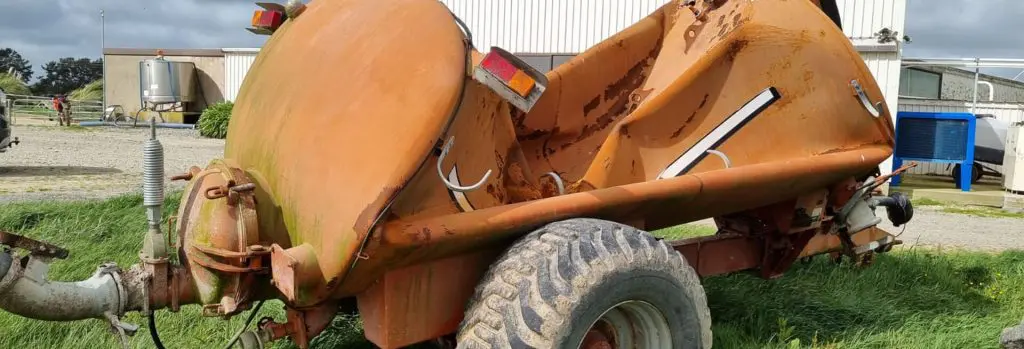
Understanding Tank Implosion Risks Tank implosion happens when the vacuum system fails or when fittings are not maintained correctly. A failed tank on a slurry tanker is not only costly but also dangerous if the structure fails under pressure. From corroded steel to poorly adjusted valves, there are several causes that can be prevented through […]
Today’s smart dairy farming is designed with efficiency and flexibility in mind, helping owners and managers manage nutrients in a way that saves time, reduces labour, and stays within regulations. Here are five clear reasons why forward-thinking farmers are choosing tankers over other methods. 1. Cost-Effective Investment in Farm Tankers There are several cost benefits […]
Choosing between a slurry tanker and umbilical slurry equipment is one of the most important decisions for farmers looking to manage effluent effectively. Both systems offer advantages, but the right choice depends on your farm’s size, soil type, labour availability, and spreading goals. Tankers provide flexible, quick spreading with low staff requirements, while umbilical slurry […]
Local council regulations must comply with the Resource Management Act, making it more important than ever for farmers to have a robust effluent management system in place. The good news is that once you have implemented best practice techniques, you’ll turn your waste into a valuable resource that delivers good returns. You can feed your […]
Slurry tankers in the 21st Century Slurry tankers have changed a lot over the years. Back in the day, they were slow, ponderous and dirty, but just like a modern hay baler, the difference is night and day. A modern slurry tanker is packed with technology that makes it easy and efficient to use, allowing […]
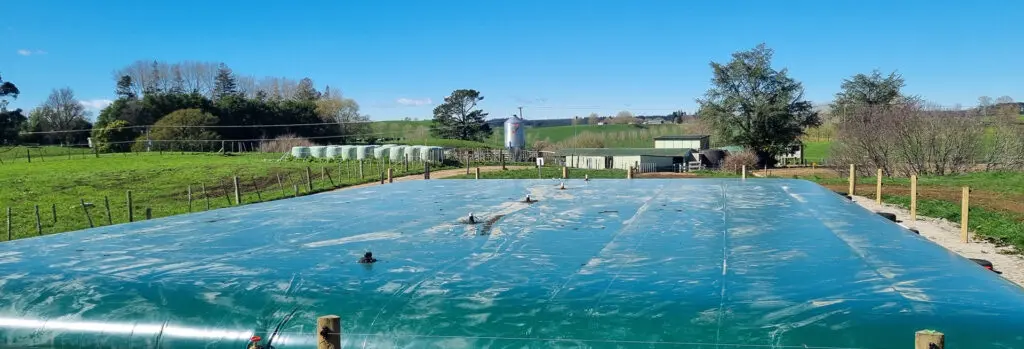
Closed Effluent Storage Solution If you are in a high rainfall area, this is a bit of a no-brainer. An open pond is a large catchment area, if you can close that off, you will reduce your storage needs. With a bladder tank, there is no chance of overflows from heavy rain, and your effluent […]
What Is the Investment Boost? From the 22nd of May 2025, businesses that invest in new productive assets—like farm equipment, machinery, and infrastructure—can claim a 20% bonus tax deduction in the year they buy the asset. This is on top of the usual depreciation claim. In simple terms, you get more back from IRD when […]
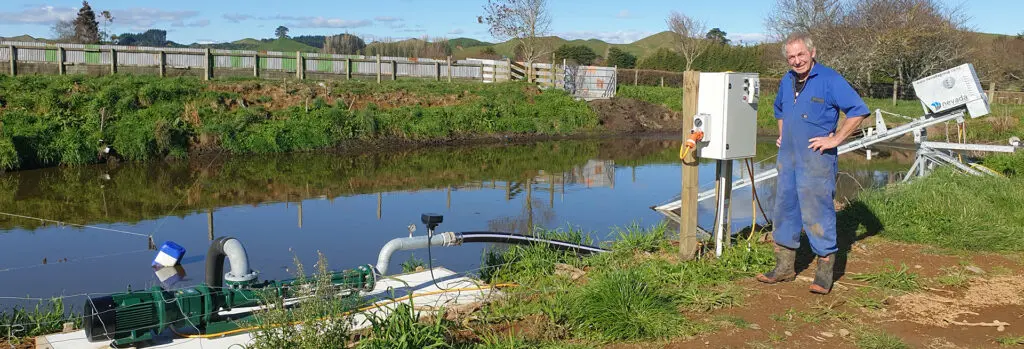
A Nevada pond stirrer is a great investment to help you make the most of your dairy effluent. Find out how regular stirring can actually save you a heap of money by improving the nutrient levels of your effluent and maximising your storage capacity.
Isn’t it more time-consuming? There is a perception amongst some farmers that a slurry tanker is a slow way to spread effluent and that couldn’t be further from the truth. Slurry tankers are incredibly efficient systems. It takes three minutes to load 12,000 litres of effluent into a tanker and it takes three minutes to […]
Apply dairy effluent directly Ideally you’d apply FDE as soon as possible after collection. That way, there is no nutrient loss from storage and your paddocks immediately reap all the benefits. As we all know, that’s not always possible. That’s why we’d recommend a good storage solution and stirrers to agitate the FDE and prevent […]
Labour Availability The first aspect to consider is labour availability. What skill set does the staff already have on the farm? How manageable is the workload? Whether it is seasonal or there are a few hours available every day, understanding the workload can help determine the best irrigator for farm efficiency. While farm workers can […]
A comparison we often use with the RainWaveTM is to imagine the difference between shaking a hose from side to side, or getting a hose and putting your finger over the edge to create a fan. Each method has its advantages, but also different levels of efficiency when it comes to spreading nutrients on the […]
In this showdown of dairy effluent storage facilities, let’s take a look at a hypothetical scenario of a dairy farm based in South Taranaki where the size effluent bladder tank required is 500,000 litres. We’ll walk through the differences and benefits of lined ponds, bladder tanks, and above ground tanks that can help improve efficiency. […]
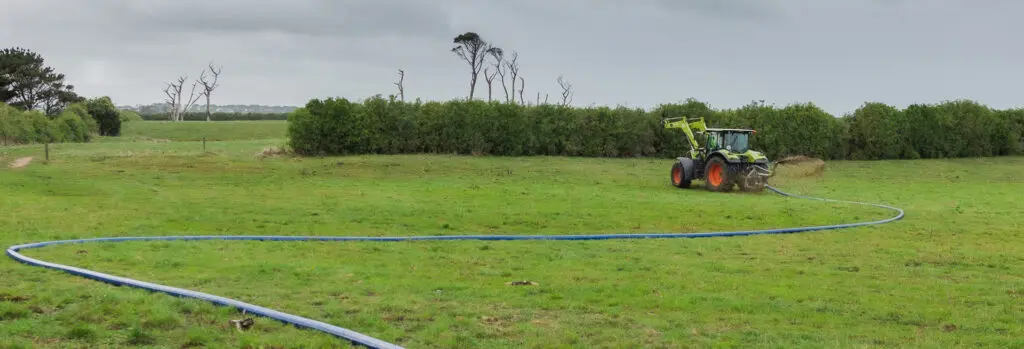
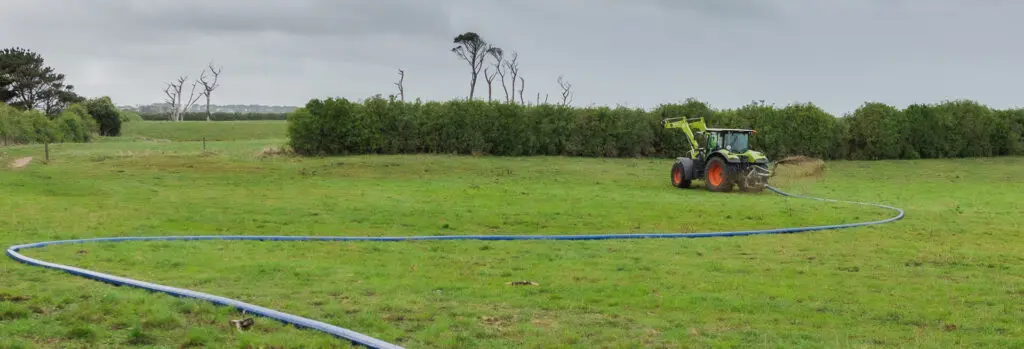
The traditional method of spreading effluent utilises an electric pump with a travelling irrigator, but there are other methods that could increase reach and efficiency. With many farms under utilising paddocks, equipment such as slurry tankers and hose reelers have the potential to spread effluent faster with less hassle. Travelling Irrigator Travelling irrigators are generally […]
Getting a paddock back into rotation aftermspreading effluent can be approached either with an umbilical system, or a slurry tanker. With a RainWaveTM attachment or trailing shoe system on a slurry tanker, a paddock can easily be irrigated often to maintain optimal nutrients. Preparing Paddocks There are limitations in where effluent can be applied when […]
When using the jet method, it only stirs the bottom of the tank and not the top. Jets can get blocked and a high volume pump, that uses a lot of electrical power is required to operate the jets. Over-The-Wall Effluent Stirrers The best approach to stir an above-ground tank is with an over-the-wall stirrer. […]
Unlike travelling irrigators that are only able to be towed in a straight line, a drag hose system is able to trace the shape and contour of irregular shaped paddocks to irrigate the whole area. Drag Hose System Benefits In instances when there is prolonged wet weather that only allows for two or three fine […]
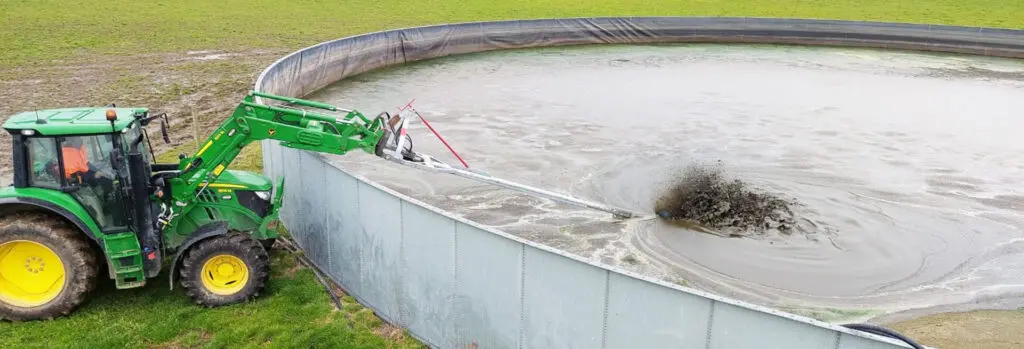
Nevada PTO stirrers are a contractors best friend, designed to be robust and strong, which enables contractors to break up crust with equipment that is durable for the job. With a Nevada Typhoon™ propeller, the stirrer creates a strong thrust to quickly break up the material and thoroughly mix the pond for pumping. Efficient Mixing […]
Beneath The Surface Every dairy farm requires a minimum amount of effluent storage, which can be compromised without the right equipment in place. Crust can form on the surface which is visible on the pond, but what is more important is what is happening beneath the surface. If heavy solids are not all brought up […]
With both of these travelling irrigator options having advantages to meet the needs of your farm, there are a few aspects of the systems to look at before making a decision. Winch System Differences The main difference between the two travelling irrigators is the winch system. The King Cobra uses a turbine to drive the […]
There are a few differences to consider when deciding between an PTO vs electric stirrer for dairy farm effluent management. In this article we’ll explore the most common, power availability, cost and slurry tanker use. Power availability If there is an electric pumping system with power availability at the pond, then an electric effluent pond […]
It’s not! By changing how you view and use farm dairy effluent (FDE), you can improve your farms soil health and inturn increase profit on your dairy farm. Soil Biology: The Hidden Gem Beneath Your Feet Let’s dive into soil biology – the fascinating world beneath your boots. Your soil is teeming with life, from […]
Minimal Nitrogen Loss Effluent is much more efficiently moved with a slurry tanker with a Nevada RainWave™ applicator, which is able to encapsulate droplets and apply the effluent directly to the soil. With this approach there’s less odour, minimal nitrogen is lost which adds further value to the effluent being spread across crop paddocks. Another […]
The factors to consider when calculating how many loads you can manage in a day is dependent on the size of the slurry tanker, the type of loading mechanism on the tanker, the spreading applicator system, and the distance you have to travel when transporting the effluent. Slurry Tanker Size Farmers who are using a […]
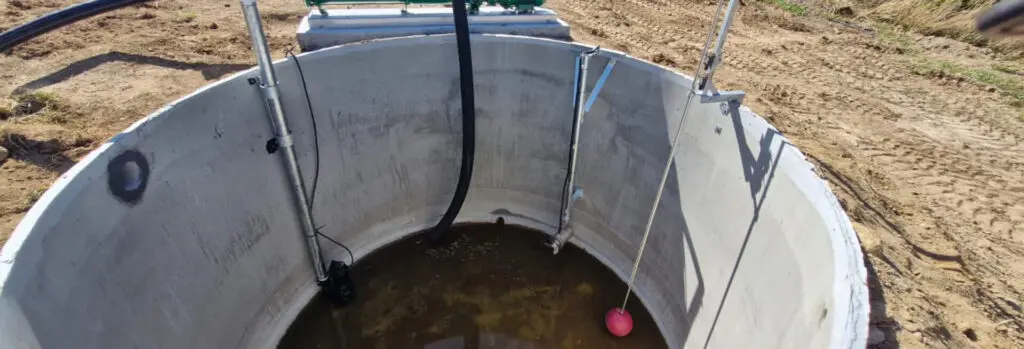
The Best Set Up for a Sump A sump can be placed between a cow shed and a storage facility, normally about 20 metres away from the cow shed and would lead to a concrete sump of 20,000 litres or more. From that sump, there can be two pumps put in place, one to pump […]
When looking at the amount of effluent storage you need for your dairy farm, it is recommended to go larger in size to future proof operations. If there is a plan for growth in the future, or if operations change hands, it creates long-term value on the property for dairy effluent management. It also can […]
Is it important to stir effluent storage? The answer to that is YES and it is more important than people realise when it comes to efficiently managing effluent in a way that streamlines operations. The first reason you need to stir the pond or effluent storage facility is to make the best use of […]
There are several benefits of a Trailing Shoe for effluent management. These are outlined below: Application Directly Under Crops One of the main benefits of a trailing shoe is able to apply effluent directly under crops with accurate placement, which allows for less wind drift and minimal odour reaching to other areas. A trailing shoe […]
Wondering why the effluent ponds get crusty on your farm? Effluent crust is particularly a problem during the summer. The organic matter can dry out quickly, leaving weeds to germinate and grow to form a thicker crust. In the past, the traditional method was to manage the crust by allowing the biology in the pond […]
This often occurs in spring, when there is a larger full effluent pond that needs to be emptied in the two or three fine weather days in a row. Spread more efficiently with a Drag Hose System Traditional pumping cannot put out effluent fast enough, but a drag hose system does have the capability to […]
Manage Effluent from a Slatted Floor Cow Barn A slurry tanker is the best way to remove the top layer of effluent because of its ability suck the slurry layer through a vacuum. With only requiring one farm worker to load and apply effluent, it gives the ability for smaller runs more regularly, or the […]
Benefits Of Managing Dairy Effluent The ability to provide multiple types of agricultural services to your clients has many benefits. Not only does it keep staff busy during the slower season, it also can fill in the gap for more cash flow. Keeping tractors and other equipment in storage can come at a cost, but […]
Durability of Galvanised Steel Galvanised steel coating is better than paint in effluent equipment for a number of reasons. Zinc-iron alloy layers of hot-dipped galvanised (HDG) steel coating are durable in nature and have a rare need for maintenance, unlike field touch-ups that are required for painted bare steel. Zinc Paint vs. Galvanised Steel Paint […]
Pond Stirrer Length and Power The two main aspects to consider are the length of the pond stirrer and the power capacity. The length of the stirrer is determined by the overall size of the pond and the batter of the pond wall. If the angle of the wall slopes down at a 45-degree angle […]
Benefits of a Slurry Tanker Unlimited Reach Slurry tankers have unlimited reach across multiple paddocks and areas of operation. A slurry tanker allows you to reach a greater area without concern of toxic build up over time that could create health problems for animals. Whether you have long or irregular shaped paddocks, a slurry tanker […]
Increases Water Holding Capacity Irrigating has the ability to improve paddocks by increasing the water holding capacity of the soil to ensure the pasture recovers effectively. One approach to applying effluent to assist with improving pasture conditions is to utilise a Nevada RainWave™ Applicator. With a gentle low-pressure rain pattern and the ideal heavy droplet […]
There are a few reasons why effluent is a great fertiliser when growing maize. One reason is effluent is a natural fertiliser that also operates as a soil conditioner. The organic matter in the effluent helps build up soil structure in order for the soil to hold adequate water and nutrients to encourage plant growth. […]
Irrigating regular shaped paddocks If you have regular shaped or long paddocks, then a travelling irrigator is a labour efficient option to consider. Travelling irrigators are able to be set up in an hour and run for up to three hours (depending on the length of the paddock) with the ability to move it easily […]
Remove stones and sand before they reach your effluent bladder tank In order for a bladder tank to run effectively, it needs to have the sand, stones and grit removed from the effluent stream before it reaches the tank. Utilising stone traps are a vital part of an effective effluent system to remove any grit […]
Why It’s Important To Stir Effluent Stirring your effluent pond storage thoroughly allows for everything to stay in suspension. This keeps solids from crusting on the top and developing weed growth, or creating a hard layer at the bottom that can become almost impossible to break up. It is especially important to stir thoroughly if […]
Slurry Tankers A PTO Pump system works efficiently, but operates at a fixed position. Where is Slurry tankers are the most flexible approach to effluent management. A slurry tanker is an all-in-one system that functions as a pump, piping system and irrigator. Depending on your equipment needs, different attachments can be sorted to match paddock […]
What to Consider Before Purchasing Electric vs PTO Systems Competent Farm Workers Electric System: Can be more automated, reducing the need for direct involvement when effluent is being irrigated, making it ideal for farms with limited worker resource or seeking increased automation. PTO System: Requires farm workers to operate the system. Power Source Availability Electric […]
If your stone trap is not maintained or set up correctly, the rest of your effluent system will suffer: Stone traps work by slowing down the effluent flowing into storage, allowing heavy solids to drop out of suspension. To do this the inlet and outlet pipes need to be staggered. Double stone traps further filter […]
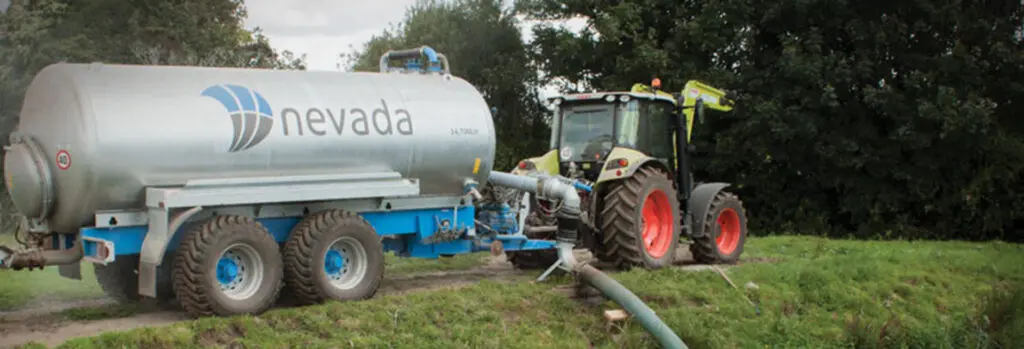
What are the different types of slurry tanker loading arms? Different makes and models of slurry tanker will include different loading arms. Nevada slurry tankers include a 8in Ezi-Load auto-filling arm on models 10,000L and up, and this is an optional feature for smaller models. While the Ezi-Load filling arm suits most farmers and contractors, […]
Why Suspension is Important on a Slurry Tanker Why? Well without suspension every bump, pothole, or uneven terrain would be directly transmitted to the tank and tractor. This can lead to excessive vibrations, compromising the structural integrity of the tanker and causing unnecessary stress on components. A well-designed suspension absorbs shocks, improves stability, and ensures […]
Flow to the Effluent Storage The best practice for effluent management is for it to flow by gravity to the storage, whether it be a pond or bladder tank. This is possible with a bladder tank if there is enough fall. Gravity flow is more efficient and reliable, ensuring that effluent moves easily from the […]
But the good news is that crusting inside effluent bladder tanks is not the same as in open storage. Since the bladder is closed, there is no exposure to air and sunlight, so the solids do not dry out and form a hard crust, and no weeds will grow. However, crust can still form in […]
The good news is that with the right pump connected to your effluent bladder, you can easily irrigate your fields and keep your effluent well-mixed, without breaking the bank on energy costs. Firstly, it’s important to note that you might need two pumps for your effluent bladder tank: one for irrigation and one for agitation. […]
Their are few things to think about when choosing the right size effluent bladder tank for storage on your farm. Understanding Your Farm When you get someone in to calculate your storage requirements make sure they have a good understanding of how your farm operates. A storage calculator will assume you take every opportunity to […]
Effluent bladder tanks have become one of the key components of many dairy effluent management systems. With a multitude of benefits, they allow farmers to efficiently store, manage and utilise their effluent nutrients. However, to ensure that your effluent system is functioning at its best, it’s essential to keep your effluent bladder tank properly mixed […]
Winter can be challenging enough as it is, so having some contingency measures in place can help take some of the stress off. Here are some contingency measures you can take to winter-proof your farm: 1. Ensure council and dairy company compliance Make sure you’re compliant with both your local council and dairy company (this […]
Nevada Effluent Bladder Tanks are made from strong, tear-resistant materials that are designed to withstand the weight and pressure of the effluent they contain. Effluent Bladder tanks can actually be stronger than steel tanks with liners The unique difference between an effluent bladder tank and a steel effluent tank is the integral strength of the […]
Why are farmers choosing bladder tanks for effluent storage? Aside from the typical benefits of easy installation, portability and safety, here’s some of the common reasons farmers are choosing bladder tanks for effluent storage: Additional Sump Storage Lots of farmers have a pumping system with a sump that handles most of the effluent storage but […]
NZ is the Main Exporter of Milk Worldwide When it comes to dairy production, New Zealand is one of the best producers in the world. In fact, a report published by Statista shows that New Zealand was the main exporter of milk worldwide in 2021 with an export value of 7.8 billion US dollars, with […]
A few things we didn’t see coming in 2022 were: So what can we see happening in 2023? Innovative Compliance Solutions While in some instances compliance measures provide opportunity to futureproof and improve farm operations, there are also instances where changes need to be made simply to tick boxes. In either instance, farmers will be […]
Pumps alone are insufficient for dealing with effluent – particularly floating solids. If the effluent is left, or not mixed well enough, solids accumulate at the bottom of the form a crust on top where weeds can grow, making it difficult to harvest and grow grass…basically it can turn into a mess. Other issues include: […]
Don’t overfill Understandably all bladder tanks have a maximum filling point which must be adhered to or risk a big clean-up. Best practice is to have a level indicator to warn when the bladder is getting close to maximum capacity so you can stop pumping into it or divert effluent into a secondary bladder or […]
Here’s some labour saving tips for farm effluent management… Effluent Storage Make sure you’ve got PLENTY of effluent storage. Without adequate storage you’re forced to spread frequently. Having a pond with plenty of storage, or a bladder tank available means you can defer irrigation and utilise staff better. Expanding or installing more storage doesn’t have […]
Installation The electric pond stirrer should be installed as close as practically possible to the pond with the base as low as possible to ground level (no higher than the manufacturers recommendation). The aim is to have the stirrer angled as horizonal as possible into the pond, hence longer stirrers are often the recommended option. […]
If you’re wanting to get the best price for your farm, you’re likely wanting to target people who are wanting to buy a dairy farm. In general, people wanting to convert property into something else are more likely to be hunting for a bargain. With farms coming up for sale reasonably regularly, it can be […]
Storage Size With custom options to fit your specific farm and the ability to spread 1,500,000+ litres per day with ease, it’s time to upgrade your spreading game. There’s a bit of setup involved with a draghose system, so it’s often not worth the setup time for smaller storage situations. Operational Requirements Draghose systems suit […]
Nevada’s ezi-load auto-filling arm has an 8 inch diameter rather than the standard 6 inch. This enables twice the volume of effluent to be sucked up. Nevada slurry tankers also come with a bigger, more efficient vacuum pump making filling faster again. And for really big slurry tankers we recommend a loading accelerator to make […]
Not when you have a RainWaveTM All Nevada slurry tankers are fitted with RainWaveTM applicators because they provide a superior spread that’s simply not possible with a splash plate, injector unit or trailing shoe. Our RainWaveTM applicators produce larger liquid droplets which allow for a wider, more controlled and even spread. The larger droplets are […]
Slurry tankers can be taken just about anywhere on the farm, and with a RainWaveTM applicator the spread per hour is much faster than the typical travelling irrigator. Not only is it faster, but the spread is more accurate and controlled with less wind drift. This allows spreading into corners, irregular shaped paddocks, and closer […]
A full, independent chassis also means the tank can be fully galvanised. The tank and chassis are each made from different types and grades of steel. Where the chassis is deliberately not galvanised to preserve its integral strength, the tank needs to be galvanised to maximise strength and integrity. Galvanised inside and out Galvanising is […]
While Councils often have systems in place to reduce flooding, these systems shouldn’t be relied upon. We often hear of farmers experiencing flooding from heavy rain, but it hasn’t been enough to trigger the council system to start running. Increasing weather events and budget restrictions mean councils are not always able to maintain or upgrade […]
So how do you determine what size slurry tanker would be ideal for your dairy farm? In most instances, bigger really is better. Don’t be too conservative. Go for a bigger tanker that fits within your requirements. When we’re asked to recommend a tanker size there’s four areas of the farming operation we look at… […]
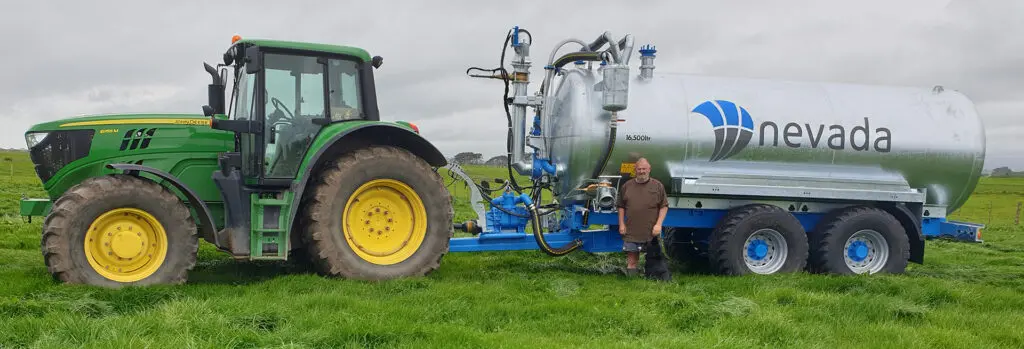
While we can’t speak for all makes and models of slurry tanker, we can say Nevada’s range of slurry tankers are amazingly easy to pull, and we often get farmers tell us they’ll get the next size up when it’s time to upgrade. Pairing your tractor with a slurry tanker The general rule of thumb […]
Fertigators are a New Zealand manufactured pod-type irrigator which can be connected to run multiple pods at once, depending on the size of your crop fields. Simply lay them out after seeding – approximately 50 metres apart, leave them there for the season, and fertilise when needed. Then just pick them up before harvesting or […]
On the lead up to winter many farmers aim to empty or lower their effluent storage levels in preparation for the wet dormant season where spreading isn’t an option. In doing this you’re also removing much of the bugs, or good bacteria that had accumulated in the effluent being stored. This is why one of […]
Why do I Need an Accredited Effluent Management System Designer You may be wondering what the big deal is – can’t the guy that installed the cow shed set up our effluent system? Well, it’s possible your local ‘go-to’ will be ‘in-the-know’ of all the rules and regulations of effluent management, but if it’s not […]
At the heart of any well-designed effluent management system is the effluent pond/storage, and with tightening council rules and regulations we’re frequently getting asked to assess whether existing storage is “ok” to use. As accredited farm dairy effluent designers we’re always happy to help and advise on your situation, but if you’re wanting to do […]
Materials The materials your slurry tanker’s tank is made from are important but should also be viewed in combination with the overall design and construction. After all, there’s no point in having the best materials if they are poorly put together. Nevada’s tanks are made from quality European S235JR steel, a non-alloy structural steel made […]
Trailing Shoe/Dropper Booms A trailing shoe or dropper booms are one of the most popular options for effluent drag hose systems. Not only do they look cool, but there’s a variety of sizing options to accommodate different operations. We recommend Tramspread dribble bars which offer 6, 12 and 24 metre options, all of which offer […]
Wash Regularly Giving the outside of the slurry tanker a regular clean will help in noticing any issues like corrosion or leaks. These are the kind of issues that start off small but left unattended can turn into big problems. Nevada slurry tankers have a clear coating over the galvanisation, so cleaning is easy and […]
Here’s some of the ways farmers can really utilise their effluent and reduce fertiliser costs… Expand your reach Slurry tankers and drag hose systems are rising in popularity for farmers wanting to cart their effluent over the entire farm. But the benefits reach further than that… Slurry tankers and drag hose systems fitted with low […]
Why do slurry tanker vacuum pumps need oil? Vacuum pump oil does a whole lot more than just lubricate the pump. It’s needed for: What happens if the vacuum pump is not correctly lubricated? Feeding the vacuum pump too much or too little oil will affect the performance of the pump and reduce its lifespan. […]
There’s 3 things you need to consider when looking for an Effluent Pump: Knowing these 3 things allows you to determine the flow and pressure you need for your effluent pump. Flow The flow is determined from the irrigator specifications. If you’re needing to convert different units of measurement, click here for an easy online […]
With larger slurry tankers, it all comes down to efficiency. Farms Are Getting Bigger Overall farms are getting bigger, or many farmers are owning multiple farms in proximity. With a larger area to spread over, irrigation systems are inadequate for the entire farm. A larger slurry tanker therefore becomes the obvious choice for farmers to […]
Got a smelly effluent pond? Or do neighbours complain about the smell of effluent when you spread? Never fear! In this blog we look at how to combat effluent odour and solutions to strong smelling effluent… The Cause It’s important to understand the reason your effluent might have a particularly strong smell to determine the […]
What’s the issue? In a nutshell, most effluent irrigator nozzles aren’t capable of processing the chunky bits and pieces that make their way into effluent storage. All it takes is for one large woodchip or clump of straw to get sucked in, and you end up with a blocked nozzle. This is more common for […]
Here’s our advice for managing effluent and stormwater… Is stormwater bad for effluent ponds? There’s a lot of information stating stormwater has a negative effect on effluent storage, decreasing their efficiency. This is true for oxidisation ponds, but not the case for regular effluent ponds used in land application. Oxidisation or treatment ponds are being […]
At Nevada, sustainable dairy effluent management is more than just waste disposal—it’s about turning farm by‑products into value. So what’s install for 2022… Council Compliance Yes, in all likelihood dairy farmers will face further updates and new rules and regulations to follow in 2022. While it might seem like the government has a vendetta against […]
We’re often asked if it’s safe to spread effluent over calving paddocks, and yes, you definitely can, but not too much. As with any paddock, adding too much brings the risk of nitrate poisoning, and paddocks with pregnant stock should keep a close watch on the nutrient levels entering the soil. How much nitrogen is […]
Irrigators An underground pumping system gives you the power of automation. Woohoo – reduced labour! Not only is it great to automate tasks so you can get on with other tasks, but this is really handy during busy times like calving, or to be able to irrigate overnight when the sun’s not out. The main […]
What are PondBugsTM? PondBugsTM are live organisms that when added to your effluent pond/storage work to promote biological activity. They are like a multi-vitamin for your pond, helping to digest the organic matter making the effluent more consistent, better for pumping, and providing a faster release of nutrients back into the soil when spread. Who […]
On-Road? If you’re thinking of carting your slurry tanker on the road, there’s a few things to be aware of: Give Yourself Room For Growth When following up with farmers a few months after getting their slurry tanker, we hear they love the tanker, but wish they’d gone the next size up. While the size […]
If your effluent irrigator is not performing as it should, or you’ve noticed a loss in performance, here’s some troubleshooting effluent irrigator techniques… Irrigator Wear & Tear The first step for troubleshooting effluent irrigators is to check your irrigator for any wear and tear/maintenance issues. One of the most common issues that will reduce performance […]
Electric Above ground Tank Slurry Stirrers Over-the-wall horizontal stirring is the ultimate option because it is the most effective. A more thorough stir is achieved because the stirrer can be positioned far enough into the tank and angled for the best flow. This allows the stirrer to easily break up crust from the top (should […]
The aim of stirring your effluent is to keep solids in suspension ready for pumping out. But what’s the difference between a floating verticle and shore-mounted horizontal pond stirrer? In this artcile we walk you through, why stirring is important and the difference between both methods. Why? Because there are several unwanted issues that occur […]
Stirring and pumping all effluent nutrients together is not always possible. We’ve come across a wide variety of effluent management systems, and the good news is, there are alternative removing solids from effluent ponds, without needing to start over. The Ultimate goal The ultimate goal is to have efficient and effective systems in place so […]
Popular in Europe, slatted floor barn storage such as HerdHomes is often a consideration for farmers looking for an efficient means of collecting effluent while feeding and sheltering their animals. As with most things, investing in a slatted floor barn with effluent storage can have a lot of benefits if it’s done right. If you’re […]
With the majority of Europe banning the use of splash plates for effluent spreading, a common concern for kiwi dairy farmers with slurry tankers is whether or not New Zealand councils will do the same. While we may not be able to predict the future, we can provide some good industry insights on the matter… […]
Effluent storage – we all want to get it right, but there’s a few misconceptions that can sometimes lead us down the wrong path. Ideally most farmers look at the big picture, and aim for not only storage, but an effluent management system that’s efficient, effective, council compliant and futureproof, with low labour and maintenance […]
Building a new cow shed creates some big opportunities to maximise efficiencies around the farm. Fences will likely be moved, and paddock shapes may change, so it’s a great time to revamp your effluent system so it’s future-proofed, council compliant, and suits the functioning of your operations. Here’s some things to consider when planning your […]
When planning your effluent storage, lets not forget about the all important stone trap. As with any part of your effluent management system, getting the stone trap right will make for a more effective system with a lot less hassles. Here’s some things to consider… Why Install A Stone Trap? A well designed stone trap […]
Trust plays a large factor in who you choose for advice and to manage your project, and it’s important to work with a specialist you feel confident in. While there may be a lot of different people who CAN do the job, here’s a few reasons why choosing a specialist can save you more than […]
There’s a lot of things to consider when choosing effluent application equipment for your farm, and when it comes to your spreading application – the way it sprays matters. It affects council compliance rules, operational efficiencies, and the amount of nutrients able to be utilised. Cutting straight to the chase, the ultimate goal is: Your […]
What is Fertigation? Fertigation is when multiple Fertigator™ pods are strategically placed throughout your crop paddock to allow for regular, low applications of effluent nutrients to be applied. The benefits of this set up include: No crop damage Fertigator™ pods can be strategically placed throughout the crop field to ensure maximum coverage, and can be […]
Proactive dairy farmers are making changes now, and benefiting from it… Yes there really are benefits to investing in storing and spreading your effluent. In fact, we can literally say the grass is greener in choosing to do it. Effluent is a natural, free resource that does wonders for fertilising crops and pasture – so […]
A Cost Effective & Futureproof Solution Managing feed pad effluent effectively is a smart way to cut costs and increase efficiency on farm. By boosting effluent storage and using reliable mixing equipment, farmers can reduce reliance on synthetic fertilisers, enhance irrigation performance, and turn waste into a valuable resource—creating a cost-effective and futureproof solution for […]
This is important not just for providing maximum nutrient value for spreading over pasture, but also for maintaining council compliance and keeping your equipment running smoothly. There are a lot of things that go into building a good slurry stirrer, but one of the key components is the propeller, so what makes a good propeller? […]
Galvanised steel lasts at least 5x longer than zinc paint as we’ll explain below. If you’re a farmer who wants to make smart choices, which if you’re reading this, we assume you are – GO GALVANISED. It really is the feature you can’t afford not to have – here’s why… 1. It’s More cost effective […]
Do I need to line my effluent pond? If it’s leaking, pond lining will be your best option for fixing that up. Signs of leaking may be patches of consistently damp ground with very green grass, or ponding. However leaking can occur without any noticeable signs. A lot of dairy farmers are choosing to line […]
Electric shore mounted stirrers, or PTO stirrers provide the right angle to get the whole pond swirling and keep the sediment from settling at the bottom of the pond, but if you really want to maximise efficiency the placement and positioning of the stirrer is also important. Where is the Best Place to Stir From? […]
When is a bladder tank the right choice? One of the main features of a bladder tank is that it provides a closed effluent storage solution. The benefits of closed storage is that there’s no risk of oxidation, external contamination, evaporation, or people falling in! Bladder tanks are also transportable and earthquake resistant. This makes […]
Cost effective At the same output, electric pond stirrers are generally cheaper to run per hour than a PTO slurry stirrer and are also more consistent. Electric motors have also been proven to have significantly less wear and tear than a PTO. TIP: To be even more cost and time efficient, program your electric slurry […]
When you’re running a slurry tanker vacuum pump overheating can cause serious damage and lead to big repair bills. Good stirring, the correct suction pipe size, and regular checks help keep your pump working at optimal levels. An overheated pump can halt productivity and lead to significant expense, so read on to follow our tips […]
Your choice of effluent pump can make or break the functioning of your effluent system. With a lot of pumps to choose from, and manufacturing improvements, we’re often called for advice on which pump is going to be best to get the job done. So here’s what we recommend… When Electric Is Best Electric pumps […]
Stir well, achieve more If effluent is left sitting in a pond or tank the solids will inevitably sink to the bottom and crust and debris will form on the top, separating out the essential nutrients. To maximise the value of your effluent it is vital the effluent is thoroughly mixed prior to pumping to […]
Of course if you’re reading this, you already know effluent is like liquid gold when it comes to fertilising, so it’s also an excellent choice for irrigation. Here’s how you can future-proof your farm and make use of your effluent for irrigation… Storage size Whether you’ve got an effluent pond, tank, or something else, it’s […]
We think every dairy farmer deserves to be buying a new tractor of their dreams! You work hard, support the economy, and if you’re on this website, you’re clearly someone who makes good choices when it comes to the environment. But if all that’s not enough, try one of these top 5 excuses for buying […]
Is an In-Ground Irrigation the Right Choice for Your Farm? This really depends on what you want to achieve. In-ground effluent irrigation is a great ‘set-and-forget’ solution that can work while you sleep. A successful system doesn’t require you to monitor it and can be set to operate overnight when nutrients have a better absorption […]
Feed the soil, and let the soil feed your crops… Cropping season is upon us, so now’s a great time to prepare the soil with the nutrients needed to grow strong, healthy crops. A generous base dressing of effluent is a good starting point for any crop preparation. Effluent has great soil building properties which […]
Best practices for managing effluent doesn’t have to be complicated or costly. With the right setup for storage and spreading, you can stay council compliant, protect your land, and make life easier – all while making the most of your farm’s natural nutrients. For a start, there’s really only two components of an effluent management […]
Council Compliance Council compliance is one of the key factors when deciding on effluent spreading equipment – after all, we all want to be doing it right! Each council in New Zealand may have slightly different rules, but generally the main issues for council compliance are: Below are best practices for effluent spreading to help […]
What is a cost effective effluent management system? It’s one that gives you maximum benefit from your investment. We see this as an effluent management system that is: Below are 5 of the most cost effective strategies for dairy effluent management systems… 1. Minimise processing with gravity From the milking shed to storage, you want […]
Managing Effluent The main issues farmers face over rainy seasons are: There are a number of things you can do to minimise the liklihood of running into these issues. It all comes down to managing effluent,planning and having a good effluent management system set up that suits the needs of your farm and location. Effluent […]
If this sounds like you, and all you need is more effluent storage – keep reading! Effluent Sumps Contrary to popular belief, an above ground tank is not the only solution, and also not always the best solution to extra sump storage. Below are 3 possible solutions, and as always, if you’d like recommendations for […]
Let’s find you the right pond stirrer… First things first lets look at how to choose the right effluent pond stirrer. Starting with which type of stirrer you need, PTO or electric. Then we can get onto deciding on size. For pond or above ground tank effluent storage, you’ll generally be choosing between an electric […]
The best way to achieve a high ‘3 P’s’ score is to manage effluent as one product: Effluent Collection & Storage If your feed pad or yard has the correct slope, then floodwashing with recycled effluent is best practice. Greenwater for floodwash can be decanted off the effluent pond – no separation required. Using a […]
Getting a new effluent pond or storage solution is one of those things you want to get right the first time. 1. Don’t make it the bare minimum size Cost is often a determining factor when looking at the effluent storage size you want to put in, so a lot of farmers start off looking […]
When you’re thinking about installing or upgrading your farm dairy effluent management system in order to maximise response, there are two key rules you should consider. We’re going to look at each of those rules below: Rule 1: Optimum dairy effluent application depth This is the depth your dairy effluent needs to be applied in […]
Effluent ponds are full of nutrients The nutrients found in your effluent pond can be added back into the soil in order to improve pasture yield. When spreading effluent, there is the very real risk that nutrients could be overloaded or underutilised. Too much effluent, and you risk: Because of this, farmers are often underutilising […]
Who knew your cow’s poop could be so valuable? It’s a tough business, and you have to be tough to survive. Any savings you can make on your farm can help you thrive even when times are lean. That’s why you should be looking closely at how you cows can give more back to the […]
Three main points to consider in using Farm Dairy Effluent effectively: What are the nutrients in Farm Dairy Effluent? The main nutrients within FDE are nitrogen (N), phosphorous (P), potassium (K) and sulphur (S). FDE is an alkaline so it will increase the soil pH overtime. Also FDE contains organic matter – carbon. FDE varies […]
Benefits of good effluent management include: A healthy pond is one that has: CHECKLIST Daily Weekly to monthly Six-monthly to annually We’re here to help you get the best out of your effluent management For more advice on how to maximise your effluent pond and how to get the best quality effluent back onto your […]
Are you experiencing problems with your effluent pond because of record rainfall? There are several factors that might be contributing to this problem, and we’ve outlined some below. There may be a simple solution to help you manage an unexpected capacity, but you need to act quickly to avoid compliance issues with effluent polluting waterways. […]
There are three key factors that affect effluent application depth. Those factors are: Lets take a look at the importance of number three – the type of soil on your farm and how this impacts your effluent management. Soil texture helps determine drainage Soil is made up of granules of different products. The smaller the […]
Lets take a look at pasture and why effluent makes a good fertiliser Regularly applying effluent as a fertiliser is so important for continuous pasture health…. The recipe for greener grass In order to grow abundantly and provide the best possible feed for your herd, pasture needs 13 key nutrients from the soil. Most these […]
If your effluent pond can’t store enough, you risk over-irrigating your soil, resulting in surface runoff or direct drainage – bad for your soil and plants, and extremely bad if it results in non-compliance. On the other hand, if your effluent pond is too large, you’ll be maintaining a system that’s bigger than requirements, resulting […]
It is often thought that slurry tankers are more expensive than pumps, but this is not normally so. With any pumping system there is also a reticulation system required. Slurry tankers enable you to apply effluent to the whole farm, so to make a full compression you would need to allow for at least 2,000 […]
There is a lot of focus on the nutrient value of effluent. This is easily measured, so is the value most frequently discussed. Although it varies from farm to farm, depending on the feed system, rainfall, herd size and management practices… a typical average is around 5kg Nitrogen, 1kg Phosphorous and 5Kg of Potassium. There […]
Bill’s farm in South Taranaki has gone synthetic fertiliser free. Using a little Kiwi ingenuity, Bill came up with the idea of connecting a tap to his pond filling station which runs into a drum which containing seaweed and additives. It’s then mixed with the effluent so he can spread everything evenly and at the […]
On the other side, Dairy farming is very susceptible to dry weather, and droughts. It’s at these times the pasture can really do with a good dose of nutrients. Effluent, really well mixed with water, is a great tool to maximising pasture growth, and it’s pretty cost effective since you’re producing it all year round! […]
Farm Dairy Effluent Storage Where storage is limited, farmers will usually need to apply effluent to the land in spring. If you are designing a new system, we strongly recommend including sufficient storage, to contain all the FDE produced over winter and spring. This will reduce the pressure on farm workers, and better utilize the […]
Traditional Splash Plate Using a splash plate, normal application depths are 3-5mm. Application rate needs to match the soil infiltration rate to avoid ponding and run-off. This is easily achievable even with heavy soils thanks to the revolutionary Nevada RainWave™ – a new system of achieving even more control, resulting in low application, and even […]
Making sure the effluent pond is the correct size helps to ensure efficient and sustainable effluent management. If your pond can’t store enough effluent, you risk over-irrigating your soil, resulting in surface runoff or direct drainage – bad for your soil and plants, and extremely bad if it results in non-compliance. On the other hand, […]
Nevada slurry tankers have large hydraulic brakes on all wheels for added security; lights for highway use; durable axle suspension – which prevents jolts and impacts travelling through the tank; swivel toe hitch – reduces jarring over uneven terrain and added safety in case tanker tips sideways; hydraulic park stent – for quick and easy […]
An 8in auto-fill system can be used to load the slurry tanker from the comfort and safety of the tractor cab. One hydraulic line operates several functions to activate the fast Nevada Ezi-load System. In a sequence of events the arm is lowered (Nevada auto-fill arms can be set to go to the left or […]
Let’s not be casual about safety on the farm. We must take all practicable steps to prevent staff, contractors or even visitors to the farm from having a tragedy. Due to the possible severe consequences and ever increasing importance it is critical that farmers, regardless of their role, take an honest assessment as to ‘what’ […]
One of the challenges with nitrate poisoning is that it typically happens very quickly. But with the right management in place it can usually be successfully managed and by understanding what’s involved, you will be able mitigate the risk of your cows getting nitrate poisoning. How does nitrate poisoning occur? Nitrate poisoning occurs when nitrogen […]
Effluent ponds contain a lot of hazards. If you’re failing to manage those hazards, you could be liable for a fine of up to $3million dollars. It’s just not worth it, especially when many of the hazard prevention methods are sensible and not cost-prohibitive. If you’re stuck on how to manage health and safety around […]
While there isn’t much you can do about the smell of effluent (after all, it is literally made of crap), there are things you can do to help lower the pond odour. There have been several cases in New Zealand of farms installing effluent ponds close to neighbours, resulting in lowered property prices and complaints […]
Healthy effluent ponds. Healthy pasture. Get rid of crusted, smelly, poor-nutritional pond quickly. Clear, odour-free, nutrient-rich dairy effluent ponds are just a PondBugTM prescription away. Just one Power-Dose of PondBugs treatment initially, followed by the prescribed weekly dose will provide necessary bacteria which will keep your dairy effluent pond healthy, active and bursting with goodness […]
Why? Stirring is a vital part of the process of creating nutrient-rich effluent that will help you save money and increase pasture yield. Here’s the 4 main benefits of effluent pond stirring: 1. Maintain maximum storage capacity Mixing the effluent together helps agitate the solids so that they’re broken down and kept in the solution, […]
Pond Safety With H&S laws in place PCBU (People Conducting a business or Undertaking) are liable for “Failing to comply with duties and exposing individual to risk of death or serious illness or injury”. Fines range from $150k to $1.5m. Providing you have taken “all reasonable steps to eliminate or minimise the hazard” you are […]
In 2012, a Springston farm was fined a record $90,000 after illegally discharging dairy effluent onto land in Springston, resulting in a significant discharge into Lake Ellesmere. This was on top of a previous $20,000 fine and community service time for the farm manager for a previous offence. This Environment Court judge noted that the […]